
Updated 30 October 2026. This guide covers active London electronic-music clubs and the differences between their programmes, based on venue calendars, Resident Advisor and current London nightlife reporting. Event times and entry conditions can change; always check the actual promoter and ticket.
Where should you go for underground electronic music in London? For house and long DJ sets, try Phonox or a suitable night at fabric. For bass, garage, breaks and experimental electronic music, investigate Venue MOT, Ormside Projects, Village Underground and The Carpet Shop. For community-led and queer club culture, Colour Factory and Dalston Superstore are essential names. For larger or more eclectic events, The Cause, XOYO and Egg London offer different experiences.
London has more than one underground. A sweaty two-room basement playing garage is not the same as a festival-scale techno production, and neither is the same as a queer house party or left-field electronic live show. This guide focuses on those differences so you can find the music and the room you actually want.
Want a narrower techno-only shortlist? Read our separately maintained Best Techno Clubs in London (2026) guide. This article intentionally covers a broader part of the electronic-music ecosystem.
London’s electronic clubs at a glance
| Venue | Area | Best reason to go |
|---|---|---|
| fabric | Farringdon | Multi-room house, techno, drum & bass and major electronic bookings |
| Phonox | Brixton | Focused one-room DJ sets and house-led residencies |
| Village Underground | Shoreditch | UK bass, dubstep, experimental electronic and event-specific club nights |
| XOYO | Shoreditch | Rebuilt two-room club with house, garage, jungle and drum & bass events |
| Colour Factory | Hackney Wick | Genre-crossing, community-focused parties in multiple spaces |
| The Cause | Royal Docks | Multi-stage and longer electronic parties across different sounds |
| Venue MOT | South Bermondsey | Unpolished independent nights, bass, techno and experimental music |
| Dalston Superstore | Dalston | Queer-led house parties and intimate basement dancing |
| Ormside Projects | South Bermondsey | DIY, adventurous electronic sets and intimate promoter nights |
| The Carpet Shop | Peckham | Small-room house, garage, bass and underground selectors |
| The Glove That Fits | Hackney | Intimate basement events and adventurous electronic programming |
| Egg London | Kings Cross | Multi-room dance music, house and bass nights |
| Night Tales | Hackney | House-centred club nights with an adjoining social terrace |
How we chose: These are 13 active venues with documented 2026 programming. This is an editorial guide, not a mathematically scored ranking or a claim that every night in every venue plays underground music. The programme and event organiser matter more than the venue name.
1. fabric: London’s long-running multi-room electronic institution
Best for: house, techno, UK bass and drum & bass, depending on the event. Area: Farringdon.
fabric remains a defining London electronic-music club. Its different rooms and weekend programming matter: a Friday FABRICLIVE night may lean towards bass music, jungle or drum & bass, while other dates centre house, techno and electro. It is one of the few major London clubs where the event brand itself provides a useful clue to the musical direction.
Unlike a small DIY room, fabric is a sizeable destination with established production and a long booking history. Resident Advisor’s 2026 guide identifies its importance across house, techno, dubstep and drum & bass, while Visit London highlights its different rooms and extended sessions. This is a good choice for hearing international artists in a multi-room setting, but the lineup is still essential.
Address: 77A Charterhouse Street, EC1M 6HJ. Official fabric programme · London club context.

2. Phonox: one room, long sets and music-first clubbing
Best for: house, deep electronics and well-curated DJ residencies. Area: Brixton.
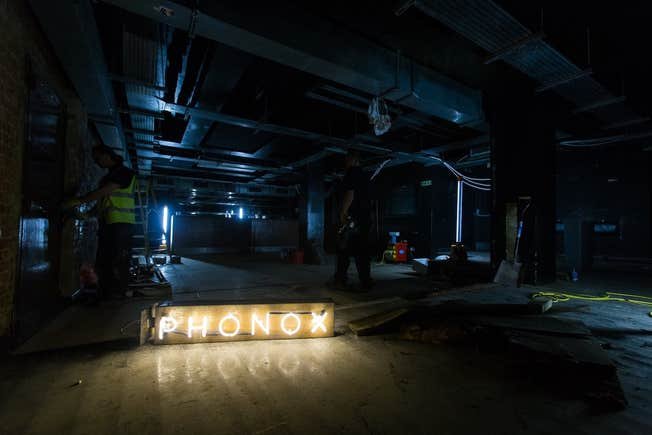
Phonox is one of London’s strongest answers if you prefer a single dancefloor rather than moving between rooms. Its one-room format, careful programming and four-point Funktion-One system keep the emphasis on the DJ and the music. The club is particularly associated with house and club selectors, although specific nights can move across styles.
Visit London’s updated 2026 guide describes Friday guest series and Saturday all-night sessions. Phonox also has a clear no-phones-on-the-dancefloor culture, so respect the experience rather than treating the room as a backdrop for filming.
Address: 418 Brixton Road, SW9 7AY. Official Phonox events.
3. Village Underground: electronic club nights beyond one genre
Best for: experimental electronic, UK bass, dubstep, house and selected techno nights. Area: Shoreditch.
Village Underground combines a live-music programme with specialist club nights. This distinction makes it valuable to a broader electronic-music guide but easy to misrepresent in an exclusively techno list. The official calendar switches between electronic DJs, live bands, hip-hop, electronic-pop and other genres.
The late-2026 programme makes that range clear: Batu plays an all-night set on 30 October, Mungo’s Hi Fi hosts a dub-and-sound-system session on 31 October, and November includes Red Axes, Conducta and other electronic artists. For someone following the wider UK continuum from garage to experimental club music, this venue deserves attention.
Address: 54 Holywell Lane, EC2A 3PQ. Official Village Underground calendar.

4. XOYO: rebuilt Shoreditch club with an eclectic event calendar
Best for: house, UK garage, jungle, drum & bass and occasional techno. Area: Shoreditch / Old Street.
XOYO is active again in 2026 after major changes to its operation and club setup. Its current website advertises the rebuilt venue as a place for forward-thinking sound and separates different event types, including daytime, nighttime, midweek and live bookings.
For visitors, the key detail is that the same venue can host very different events. The November 2026 schedule includes a Drum and Bass Classics all-dayer, as well as house and other crossover nights. Some daytime and nighttime programmes are ticketed independently. Always check that you have booked the correct session rather than assuming one ticket covers the whole day.
Address: 32–37 Cowper Street, EC2A 4AP. Official XOYO events.

5. Colour Factory: adventurous programming and strong community identity
Best for: house, bass, UK club sounds, queer parties and live music. Area: Hackney Wick.
Colour Factory is a multi-space venue that has become an important part of Hackney Wick’s grassroots cultural landscape. Its music programme stretches beyond a single genre: house, bass, techno and other electronic styles share the diary with broader cultural events. That variety, rather than a claim it plays techno every night, is the reason to include it here.
Resident Advisor describes the venue’s community-driven and genre-crossing bookings, while Visit London’s 2026 nightlife guide highlights its industrial setting and outdoor spaces. Check whether your event is indoors, on the terrace or in the garden, and confirm the particular promoter’s entry conditions.
Address: 8 Queen’s Yard, E9 5EN. Official Colour Factory website.
6. The Cause: multi-stage electronic music with festival energy
Best for: a large range of house, techno, bass and boundary-crossing electronic bookings. Area: Royal Docks.
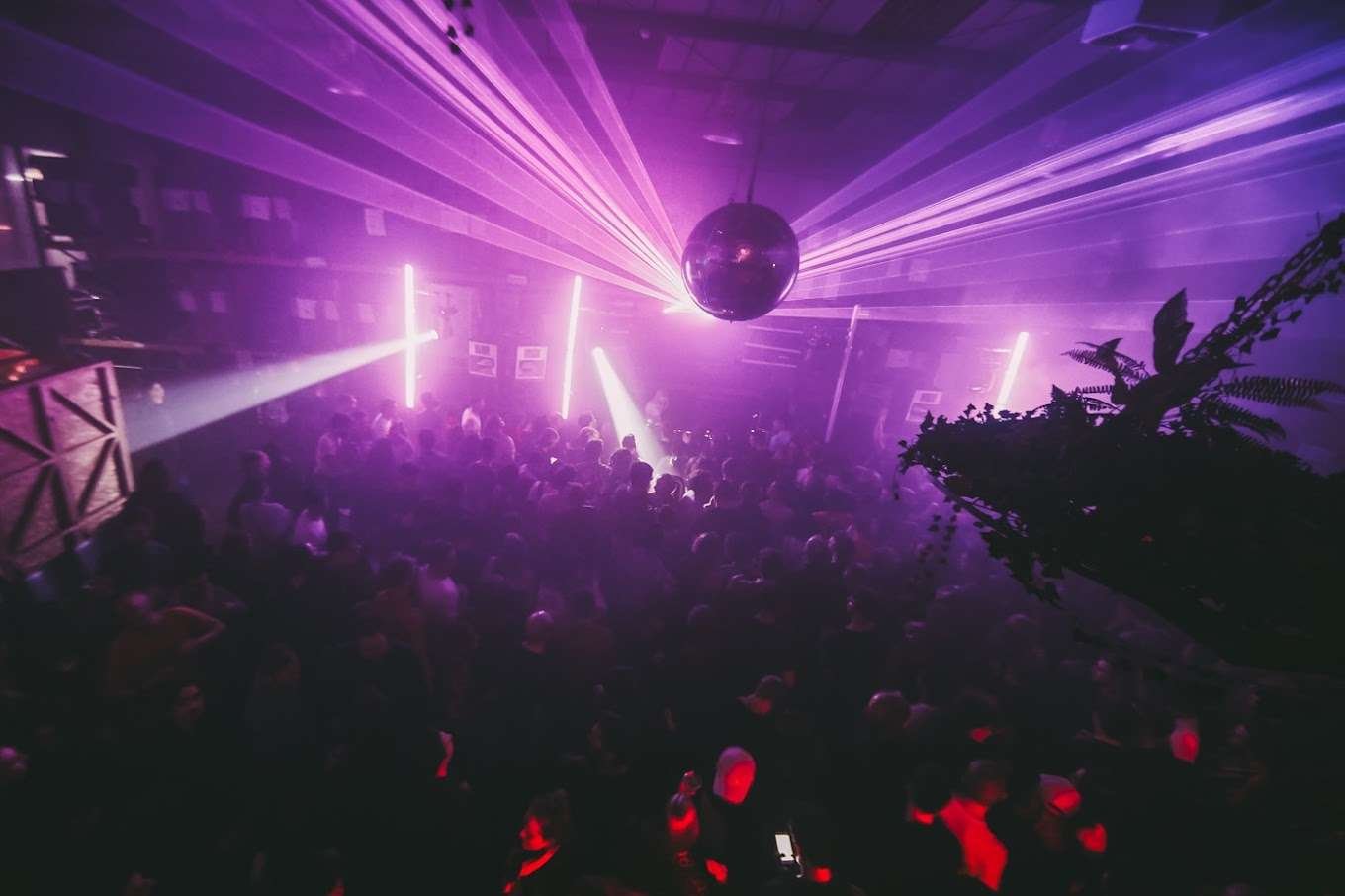
The Cause runs ambitious club nights and multi-stage events at its current Dock Road location. Rather than presenting itself as a permanently single-genre club, it brings together independent promoters, international selectors and local communities across a range of electronic sounds.
Its official schedule confirms a 31 October 2026 Halloween event with names including Modeselektor, Deetron, Zenker Brothers and El-B, spanning techno, electro and bass music. That lineup is a useful illustration of how The Cause crosses genres under one umbrella. Events can be larger and more logistically demanding than a local basement club, so check transport and final admission rules.
Address: 60 Dock Road, E16 1YZ. Official Cause programme.
7. Venue MOT: independent music without mainstream-club polish
Best for: bass, dubstep, garage, techno and unusual electronic lineups. Area: South Bermondsey.
Venue MOT grew from a creative-industrial setting into one of London’s best-known small independent club spaces. It values the music and the community around particular nights over an elaborate venue presentation. This can make it more appealing to listeners who care about selectors, record labels and local crews than about a big international headliner.
The 2026 Resident Advisor guide describes the breadth of its programming, including dubstep, techno and live performances. Visit London also highlights the industrial-estate location and artist-focused atmosphere. It’s worth checking the individual promoter and finding your way to the right entrance beforehand; the surrounding area is not a busy high-street club strip.
Address: Unit 18, Orion Business Centre, Surrey Canal Road, SE14 5RT. Venue MOT in RA’s 2026 guide.
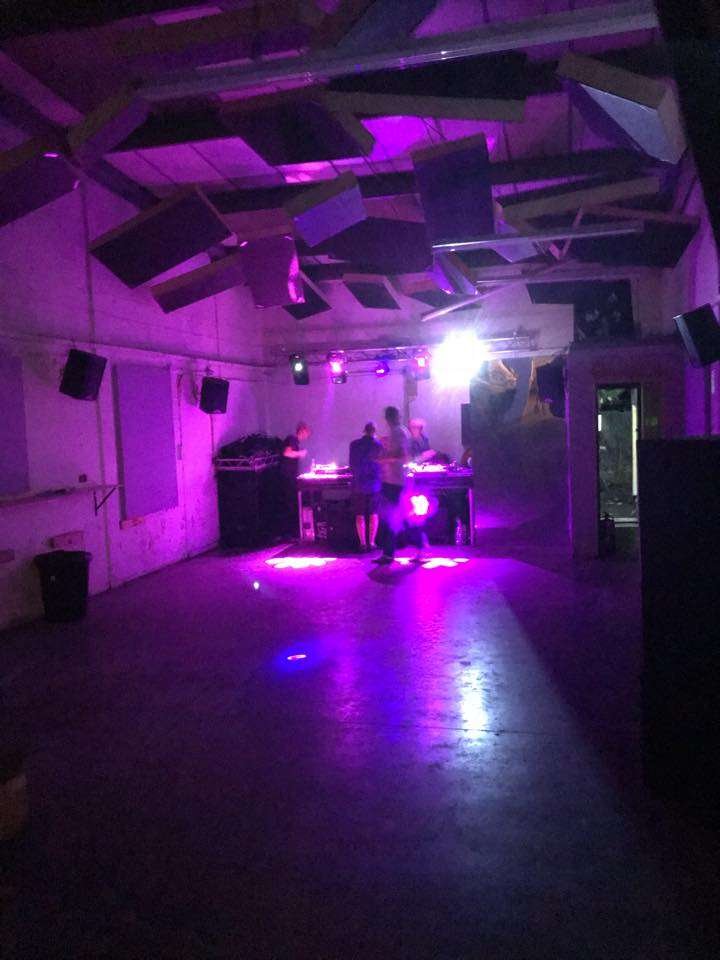
8. Dalston Superstore: queer culture, house music and a basement dancefloor
Best for: queer-led dance parties, house, energetic club sets and community events. Area: Dalston.
Dalston Superstore is not simply another venue that plays dance records. Its queer community, events programme and role as a social space form a central part of its identity. It pairs an upstairs bar and cultural programme with a basement dancefloor and regular DJs.
Its October 2026 diary includes house-led parties, DJ workshops, drag events and nights supporting the local LGBTQ+ community. For example, the long-running Bottom Heavy programme traces a musical line from Chicago and Detroit house to British dancefloors. Respect the space and its event rules, including photography and personal boundaries; it is a community venue, not an exhibit.
Official Dalston Superstore events.
9. Ormside Projects: experimental electronic music in a DIY setting
Best for: experimental techno, left-field bass, independent labels and small promoter nights. Area: South Bermondsey.
Ormside Projects is one of the places to investigate when you want music that doesn’t fit neatly into a major festival genre category. Its intimate, loft-like setup and independent programme make it a useful counterpoint to the large commercial clubs.
Resident Advisor’s current London guide highlights its role in the city’s DIY scene and its openness to different forms of electronic music. That flexibility is the appeal: follow the actual organiser and lineup, because a night here might lean toward experimental sound, house or techno rather than one predictable soundtrack.
Resident Advisor’s Ormside Projects profile.
10. The Carpet Shop: a new-generation Peckham basement club
Best for: intimate house, bass, garage and underground electronic nights. Area: Peckham.
The Carpet Shop is one of the newer small spaces that belong in a current London guide. The former retail space has been adapted into a stripped-back club with a four-point Funktion-One system. It combines DJ-driven events with other cultural programming, and its musical identity is built around the particular people booking the room.
The current Resident Advisor guide notes its connection to the team behind the former Corsica Studios. This is worth mentioning because London venue closures do not necessarily mean the disappearance of every community, promoter or idea associated with the room. The Carpet Shop should be judged by its actual programme, not marketed as a replacement for Corsica.
11. The Glove That Fits: a tiny basement with a renewed late licence
Best for: close-up experimental electronic nights, house and adventurous selectors. Area: Hackney.
The Glove That Fits has long been associated with intimate basement listening and dancing, and there was a meaningful venue update in February 2026: it completed a major refurbishment and gained a permanent later licence, with weekend nights able to run until 4 a.m., subject to event conditions.
Time Out’s reporting details an improved DJ booth, lighting and layout while retaining the small-room character. This is a more credible recommendation than recycling a shuttered old London venue, particularly for people who want to discover DJs in a setting where the sound and crowd remain the focus.
2026 refurbishment and licensing details.
12. Egg London: multi-room nightlife beyond one electronic style
Best for: house, drum & bass and accessible mixed-genre electronic events. Area: King’s Cross / York Way.
Egg London remains an operating nightlife venue in late 2026, but its current programme is broader than older accounts of it as a purely underground techno institution. November ticket listings include house-and-techno sessions, drum & bass, UK garage and also more commercial mixed-genre parties.
That is not a reason to omit it; it is a reason to describe it accurately. If you are looking for a specific DJ or a larger multi-room night, Egg may be useful. If you are looking for a purist underground community event, check the actual lineup carefully rather than relying on the reputation of the building.
Address: 200 York Way, N7 9AX. Current Egg London tickets.

13. Night Tales: house music with an adjoining terrace
Best for: house-centred nights that combine a social outdoor setting with a club session. Area: Hackney.
Night Tales offers something different from the industrial spaces. The venue’s programme connects a terrace and hospitality setting with its indoor club, and its electronic bookings include house artists and adjacent sounds. This can work well for groups that want a social start to the evening before dancing rather than an all-night warehouse experience.
Its confirmed 13 November 2026 booking for Maya Jane Coles is a good example, while another November date advertises afrohouse and amapiano. Those are not identical styles, and it would be misleading to describe every event here as deep house or techno. The venue’s ticket details state an 18+ door policy and physical ID requirement.
Address: 14 Bohemia Place, E8 1DU. Maya Jane Coles at Night Tales.
Important London club closures: don’t follow an outdated guide
Some famous rooms in older London club articles are no longer trading under their original club identities. Their contribution to the scene deserves recognition, but recommending them as active nights out would send readers to the wrong place.
- Corsica Studios, Elephant & Castle: held its final farewell party in March 2026. The team explicitly said it was not being forced out by noise complaints, contrary to some early speculation. Official closure statement.
- Werkhaus, Brick Lane: announced its closure in 2023, citing economic pressures. Its former neighbour Café 1001 continued as a separate venue. Contemporary reporting.
- The original Pickle Factory, Bethnal Green: final advertised event 1 January 2025. Be careful with old event archives and similarly named venues elsewhere. Closure record.
- Orange Yard, Soho: no longer operates as the former electronic club. The Manette Street space became an NQ64 arcade bar in September 2026, not a replacement underground club. 2026 venue change.
Other well-known electronic venues: FOLD, E1, Drumsheds and Studio 338 are current options for larger or more techno-focused nights. We discuss those in more depth in our dedicated London techno-club guide, rather than duplicating entire venue profiles here.
Where should you go by electronic music style?
- House and all-night DJs: Phonox, fabric, Night Tales, Dalston Superstore, or the right night at XOYO.
- UK garage, bass, dubstep and jungle: Venue MOT, Village Underground, XOYO, Ormside Projects or The Carpet Shop, depending on the lineup.
- Experimental and left-field sounds: Ormside Projects, Village Underground, The Glove That Fits and selected Venue MOT programmes.
- Queer and community-led club nights: Dalston Superstore, Colour Factory and specific programmes at The Cause.
- Larger electronic and techno shows: fabric, The Cause and the separate FOLD/E1/Drumsheds choices covered in our techno guide.
No club guarantees one genre every night. The promoter, room and lineup are often more important than the building. Use a venue’s own calendar first and cross-check the event on Resident Advisor London.
Practical tips for a night out in London
- Check the exact room and ticket. Some venues operate separate stages, daytime sessions or multi-room events. A ticket for one session may not cover another.
- Plan your journey home before leaving. Parts of London have Night Tube or night-bus services, but availability changes by line and weekday. Check TfL’s Night Tube information.
- Bring appropriate ID. Most late-night club events are adults-only and may impose particular age or entrance conditions.
- Respect no-photo policies. Phonox and some other spaces discourage or prohibit phones on dancefloors. Follow the club’s latest rules.
- Look for safer-space information. Queer and independent spaces often publish policies about consent, discrimination and the right to enjoy music without harassment.
- Check the date and venue status. Club closures, new management, seasonal outdoor spaces and promoter takeovers make old guides unreliable.
- Follow specific DJs and promoters. One outstanding event at a small venue may suit your taste better than a famous club on a night with the wrong musical direction.
Curious how these scenes developed? Explore our updated history of rave culture. If you are planning a longer club night, read Rave in London? Rave Responsibly and The Rave Diet for practical advice about looking after yourself.
Electronic music clubs in London: frequently asked questions
What are the best underground electronic music clubs in London?
There is no universal answer. Phonox is a strong option for music-focused DJ sets; Village Underground and Venue MOT for varied UK electronic sounds; Colour Factory and Dalston Superstore for community-led club culture; and Ormside Projects or The Carpet Shop for smaller independent nights.
Where can I hear drum and bass or UK garage?
Check the current schedules at XOYO, fabric, Village Underground and Venue MOT. Each has hosted electronic styles beyond house and techno, but the actual event decides whether you will hear drum & bass or garage.
Is Corsica Studios still open in 2026?
No. Its original Elephant & Castle operation ended with a farewell programme in March 2026. The venue’s legacy remains important, but it is not a current club recommendation.
Has XOYO reopened?
Yes. The venue operates in 2026 under a rebuilt setup and offers distinct event types, including daytime and late-night programmes. Check the ticket for the correct session.
Are all these clubs specifically techno clubs?
No, and that is intentional. This broader guide includes house, bass, garage, jungle, experimental electronics and crossover nights. For a more focused answer, see our London techno guide.
Is there an electronic-music venue open every night?
Some London venues run midweek programmes, but no venue should be assumed to have a suitable electronic event on a particular night. Check the current calendar before travelling.
How this London guide was researched
Venue status and 2026 programming were checked using direct club calendars, Resident Advisor’s London guide, Visit London’s nightlife guide, official closure statements and dated reporting. The list is an independent editorial selection, not a paid ranking or claim that our team visited every room recently. Event lineups, policies and addresses can change after publication.