Updated 30 October 2026. We checked official club programmes, venue information and recent closure or reopening announcements. Berlin’s electronic-music scene changes constantly: confirm the specific event and its entrance conditions before travelling.
What are the best techno clubs in Berlin in 2026? For a classic techno-first experience, start with Berghain, Tresor or RSO.BERLIN. For marathon, festival-like parties look at Sisyphos; for smaller or more exploratory bookings, investigate OHM and Golden Gate. Renate, Kater and ://about blank each have a distinct culture and musical range of their own. A club’s name is only part of the decision: the DJ, promoter and house rules matter just as much.
Berlin is not a checklist of famous doors. Its strongest nights range from stripped-back, hypnotic techno to experimental electronics, electro, house and harder dance styles. This guide explains what makes each space worth considering without pretending every venue plays the same music every weekend.
Berlin techno clubs at a glance
- Berghain: defining techno institution with a broad programme across its rooms, Friedrichshain.
- Tresor: historical industrial techno club with a particularly strong musical identity, Mitte.
- RSO.BERLIN: expansive industrial setting and substantial contemporary techno lineups, Schöneweide.
- Sisyphos: sprawling, festival-like parties with multiple dancefloors and outdoor areas, Rummelsburg.
- Renate: playful multi-room club, now operating after its 2026 reopening, Alt-Stralau.
- ://about blank: house, techno and politically engaged club culture close to Ostkreuz.
- OHM: intimate room for experimental, bass-oriented and left-field electronic events, Mitte.
- Kater (Kater Blau): colourful riverside club with a largely house-and-electronic programme, Friedrichshain.
- Golden Gate: compact, no-frills club with extended sessions and local selectors, Mitte.
- Lokschuppen: promoter-led electronic parties in an industrial venue on the RAW site, Friedrichshain.
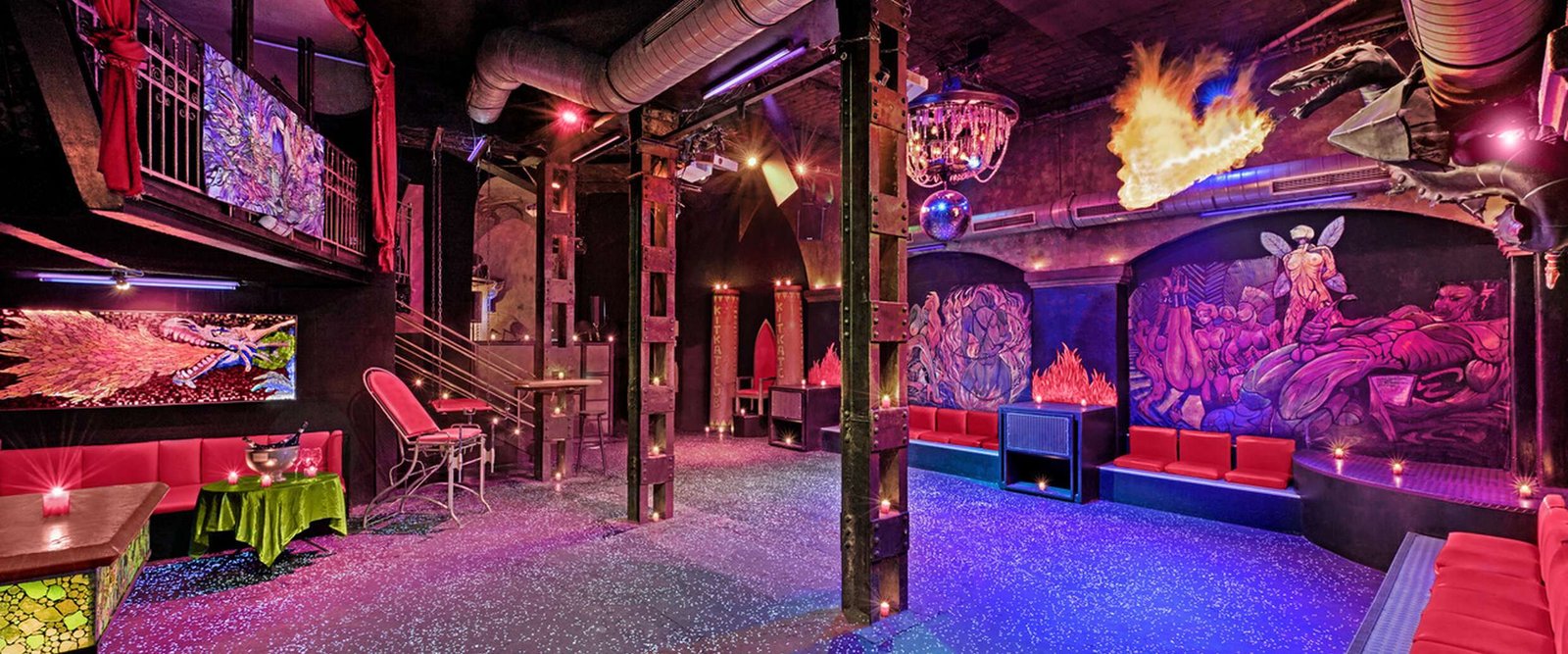
- KitKatClub: electronic music within an explicitly sex-positive party culture; not an ordinary tourist nightclub.
Important correction: Watergate’s famous riverside club closed at the end of 2024. It remains part of Berlin’s history, but it is no longer a venue to recommend for tonight. Renate, by contrast, received a new lease and returned in 2026. We explain both developments below.
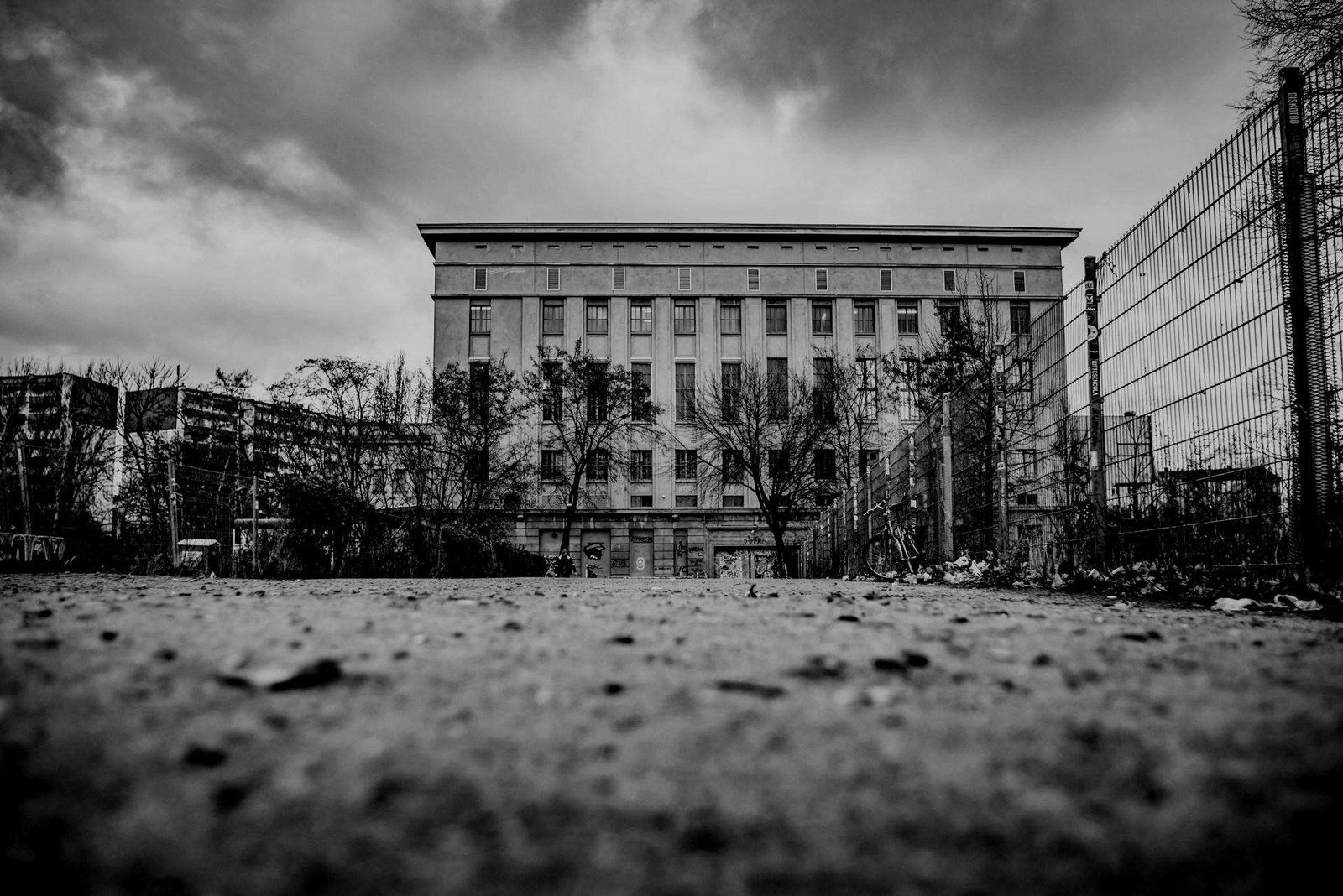
1. Berghain: the benchmark for Berlin techno
Best for: long-form techno sets, carefully curated bookings and a serious dancefloor. Area: Friedrichshain, near Ostbahnhof.
Berghain is not famous simply because its entrance is selective. The former power-station building provides the setting, but the club’s influence rests on its music culture, resident DJs and the scale of its weekend programmes. The main Berghain floor is closely associated with techno, while Panorama Bar has its own house and electronic identity; Säule and the wider complex host other formats.
The current programme makes that distinction clear. The 31 October 2026 Klubnacht includes MARRØN, Nørbak, GiGi FM and others on the Berghain floor, while Panorama Bar books artists such as Gerd Janson and Roman Flügel. November listings range from Marcel Dettmann to more experimental events. A visitor should use the specific room and lineup as the starting point rather than assuming all Berghain nights sound alike.
There is no reliable trick for getting through the door. Be respectful, understand what event you are attending and accept that entry is never guaranteed. If admission does not work out, Berlin has many other worthwhile nights.
Address: Am Wriezener Bahnhof, 10243 Berlin. Official Berghain programme.
2. Tresor: Berlin’s industrial techno heritage is still alive
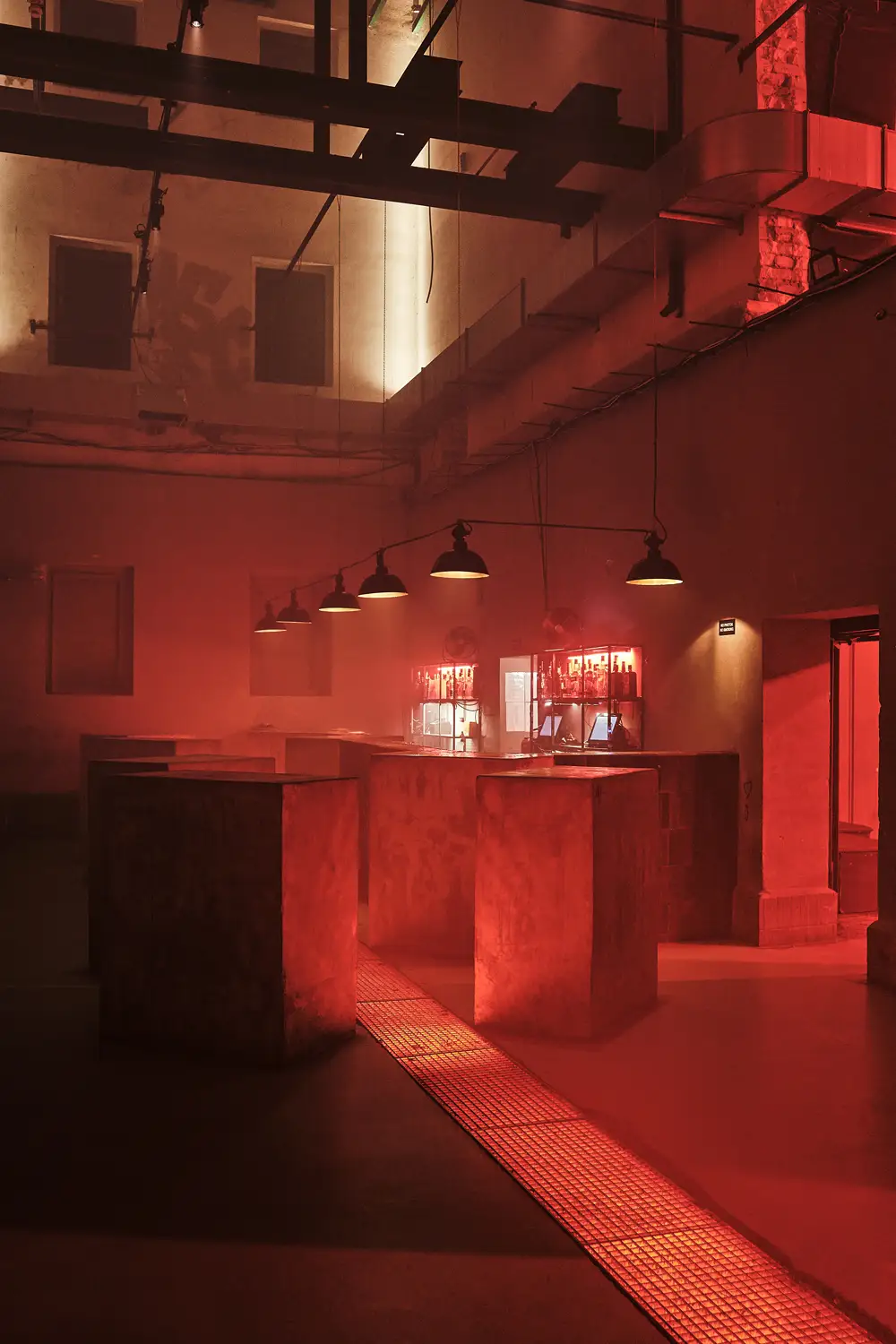
Best for: uncompromising techno, an industrial atmosphere and a club that connects Berlin’s past with its present. Area: Mitte, near Heinrich-Heine-Straße.
Tresor opened in 1991 in the vault of a former department store and was pivotal to Berlin’s early techno culture. The original site closed in 2005; the club moved to the former power plant on Köpenicker Straße in 2007. That history matters because Tresor is more than a retro stop: it still actively programmes established and emerging electronic artists.
Its late-October and November 2026 schedule includes a Downwards Records collaboration with Regis and Oliver Ho, a club night with Tommy Four Seven, and later bookings featuring Dave Clarke, DJ Bone, James Ruskin and Surgeon. The combination of the concrete underground room and the more open Globus floor means one night can cover distinct sides of electronic music.
Read Tresor’s ticket rules before buying. The club specifies Resident Advisor as its official presale partner and warns that a ticket does not guarantee entry; guests refused admission are eligible for refunds under the stated policy. For travellers, the relatively central location is another advantage.
Address: Köpenicker Straße 70, 10179 Berlin. Official events · Ticket and visitor information.
3. RSO.BERLIN: contemporary techno on an industrial scale
Best for: larger techno productions, long events and a broad range of contemporary underground sounds. Area: Schöneweide, southeast Berlin.
RSO.BERLIN operates on the Revier Südost site in a former industrial complex. Its size gives promoters room to experiment with different floors, long sets and more ambitious productions. If your ideal Berlin night involves techno on a substantial scale rather than a small basement, RSO belongs near the top of your search.
Its autumn 2026 calendar is a useful guide to its identity. The 30 October FIGURE night features Len Faki, Arthur Robert, Decoder and Inox Traxx; November brings XTRUDE and Mechatronica with Freddy K and IMOGEN, as well as a fifth-anniversary programme listing Function, Stef Mendesidis, Tasha, Deetron and more. But the calendar also spans trance and adjacent genres, so the promoter remains important.
RSO is farther from the central nightlife districts than Tresor or Berghain. Plan both the outbound journey and your return, particularly if you intend to stay until morning. Event listings give the address and the venue sometimes publishes more specific arrival instructions.
Address: Schnellerstraße 137, 12439 Berlin. Venue website · Events on Resident Advisor.
4. Sisyphos: a full weekend rather than a conventional night out
Best for: sprawling multi-floor parties, outdoor spaces and a relaxed, festival-like rhythm. Area: Rummelsburg, Lichtenberg.
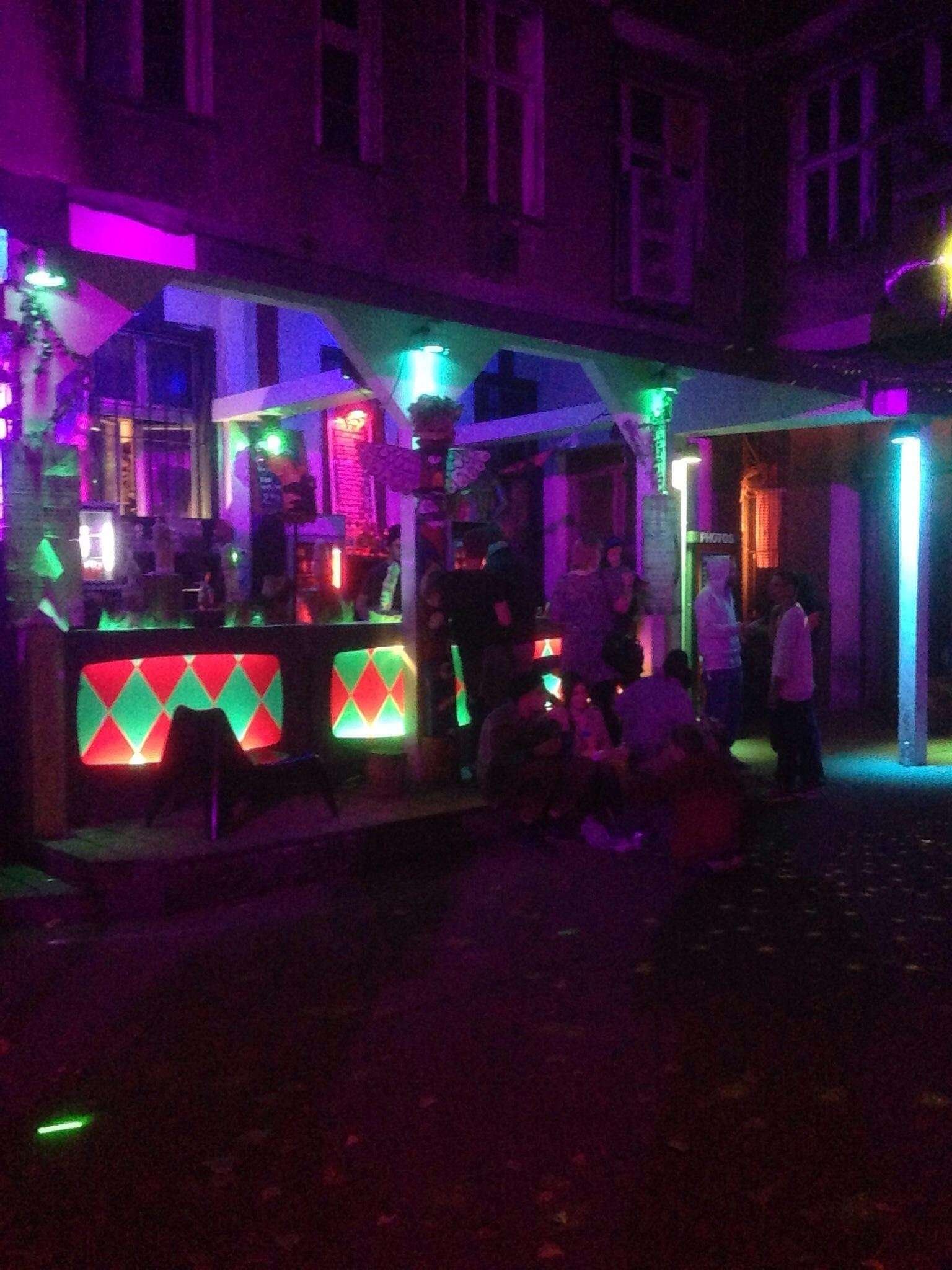
Sisyphos feels different from a tightly focused single-room techno club. Housed on a former industrial site, it offers multiple spaces and a reputation for extended parties where guests might move between dancefloors, gardens and food areas. Its atmosphere often matters as much as the individual headline DJ.
The sound also varies. Techno can be prominent, but parts of a Sisyphos weekend may move through house, disco or other electronic styles. It is a good choice for people who enjoy discovering rooms and staying for a long session, not necessarily for somebody seeking one particular strain of hypnotic techno.
The club is active in 2026, with its own ticketing pages listing special events in October and November. Some published event conditions specify 21+, while another October event listed 18+; check the exact party and carry valid identification rather than assuming one age policy applies to every event.
Address: Hauptstraße 15, 10317 Berlin. Official ticket information.
5. Renate: a reopening story worth knowing
Best for: playful multi-room exploration, house and techno, and a less linear clubbing experience. Area: Alt-Stralau, Friedrichshain.
Renate is one of Berlin’s most distinctive spaces because it feels like moving through a sprawling old apartment building rather than a conventional music venue. Different rooms can have very different moods, and the broader programme includes house, techno, electro, disco and performances.
Its recent history deserves accuracy. Renate faced closure following uncertainty over its lease, but in December 2025 announced that it had secured a new agreement. Following a partial return in January, it reopened fully in April 2026. The club’s own history now describes a renewed long-term future. The old claim that Renate was permanently closing is no longer correct.
Renate’s published visitor guidance specifies a 21+ minimum age, a cashless bar and a door policy under which presale tickets do not guarantee admission. Its garden programme is seasonal; the club is shifting toward winter events. These practical details are as useful to visitors as the romantic image of its winding rooms.
Address: Alt-Stralau 70, 10245 Berlin. Official venue, events and visitor information · 2026 reopening announcement.
6. ://about blank: a club with a clear cultural identity
Best for: underground house and techno, queer-friendly events, political engagement and a garden in warmer months. Area: Friedrichshain, by Ostkreuz.
://about blank is not simply another address on the Berlin circuit. Its programming and public identity connect club culture with anti-discrimination work, political discussion, community projects and independent art. Alongside its electronic-music nights, the space has hosted a variety of experimental and cultural events.
Its outdoor Sektgarten is a notable feature in warmer months, generally associated with the May-to-September season. In late autumn, the important question is what indoor event is actually scheduled. Its music includes techno and house but is not restricted to either. People coming specifically for fast industrial techno should check the event and promoter instead of assuming the venue guarantees that sound.
Visitors should respect the club’s community and the principles it sets out. This is a space with a lived identity, not merely an aesthetic to consume.
Address: Markgrafendamm 24c, 10245 Berlin. Club website · Berlin tourism venue profile.
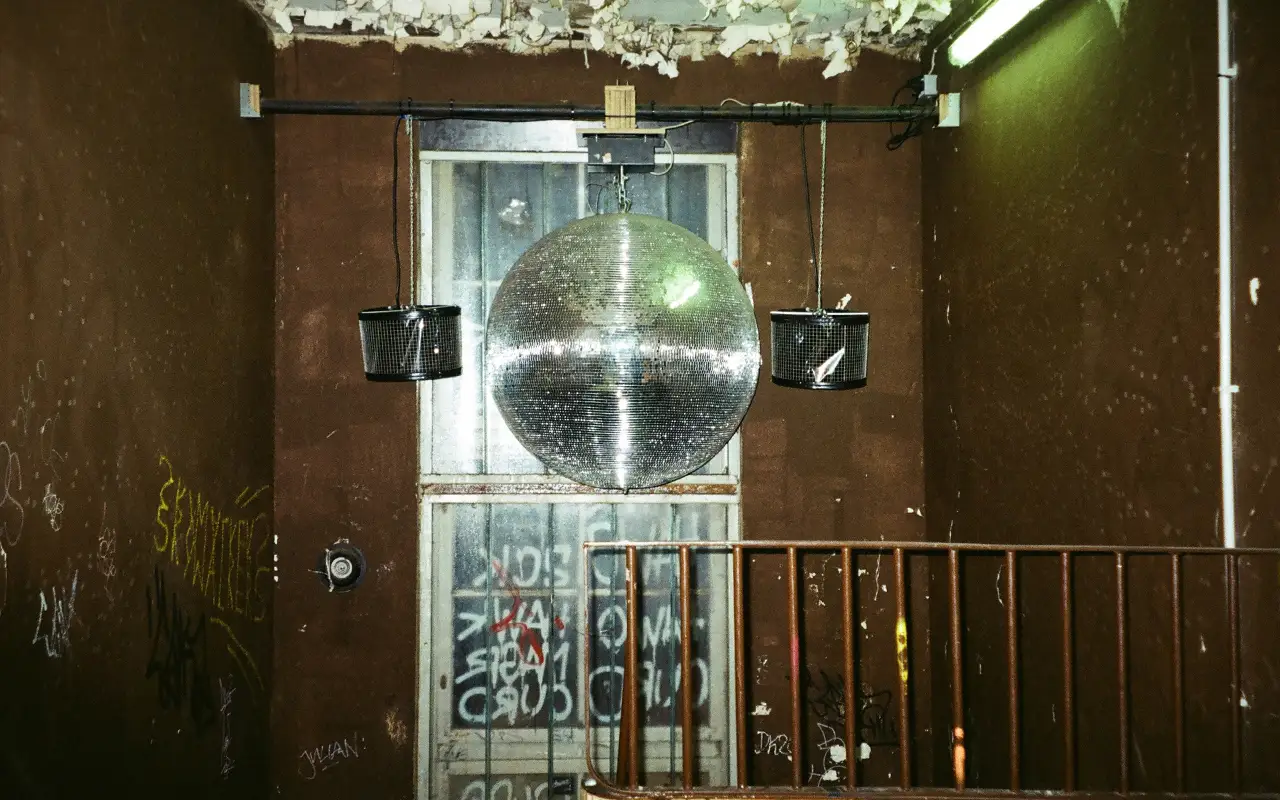
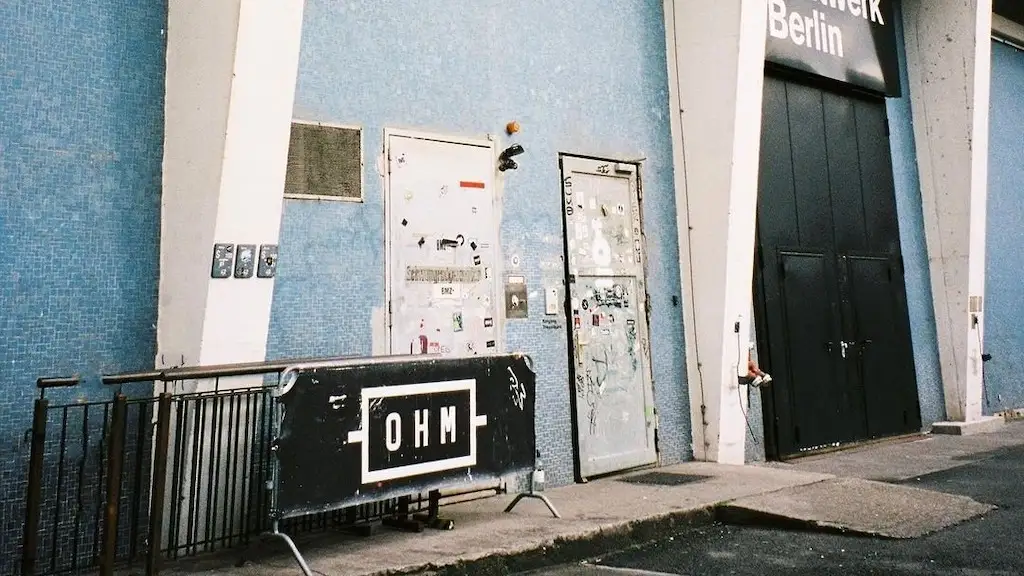
7. OHM: a compact room for adventurous electronic music
Best for: left-field electronic sets, bass music, electro and intimate dancefloor sessions. Area: Mitte, in the same complex as Tresor.
OHM gives you a different Berlin experience. The compact room and experimental programming can make for a very focused night, but it is a mistake to call it a straightforward techno club every weekend. Its schedule moves across scenes and tempos, often booking artists who work between the boundaries of club genres.
For example, its programme for 30 October 2026 includes Babe Roots (live), Toma Kami and others, while the following dates span very different electronic styles. If you care about discovering music rather than chasing the biggest name, OHM is worth following. Because it is small, consider arriving with a specific event in mind instead of relying on walk-up capacity.
Address: Köpenicker Straße 70, 10179 Berlin. Official programme.
8. Kater (Kater Blau): colourful riverside club culture
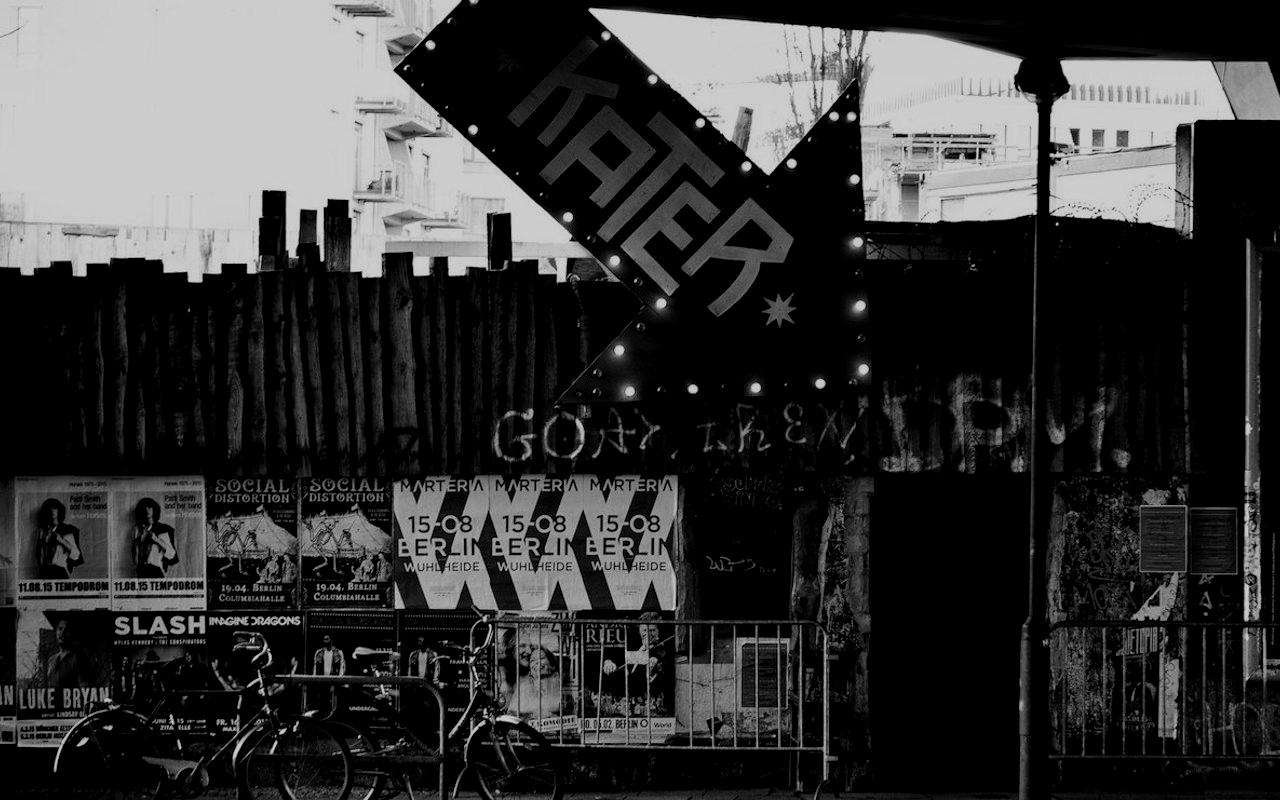
Best for: playful spaces, extended dancing and house-oriented electronic music. Area: Holzmarkt, Friedrichshain.
The riverside club commonly known as Kater Blau, now also presented as Kater, continues the lineage of Bar25 and Kater Holzig. Its visual identity and often longer-form parties are distinct from the dark concrete reputation attached to some Berlin techno spaces. If you prefer a warm, adventurous atmosphere and are comfortable with electronic styles other than strict techno, it can be a good fit.
In October 2026 its programme includes a weekend curated by Mila Stern and Esther Silex, with Kenny Larkin and many other artists; other recent dates have leaned toward house, Italo disco and electro. This is an important distinction: the club belongs in Berlin’s electronic-music landscape, but it should not be presented as a guaranteed hard-techno destination.
Address: Holzmarktstraße 25, 10243 Berlin. Official venue website · Official contact details.
9. Golden Gate: compact, gritty and often very late
Best for: small-room underground sessions, local selectors and extended after-hours. Area: near Jannowitzbrücke in Mitte.
Golden Gate offers a counterpoint to Berlin’s monumental warehouses. It is small, stripped back and tucked beneath the railway arches, with little of the visual staging that can dominate larger venues. Its history is tied to long parties and a local-focused crowd, and its lineups frequently draw from house, minimal and techno.
October 2026 events include Serialism with Dana Ruh and Cesare vs Disorder, as well as several club-night and after-hours programmes. This illustrates why the promoter matters: Golden Gate does not limit itself to one rigid subgenre. If intimate spaces matter more to you than enormous dancefloors, it deserves a look.
Address: Dircksenstraße 77–78, 10179 Berlin. Official event programme.
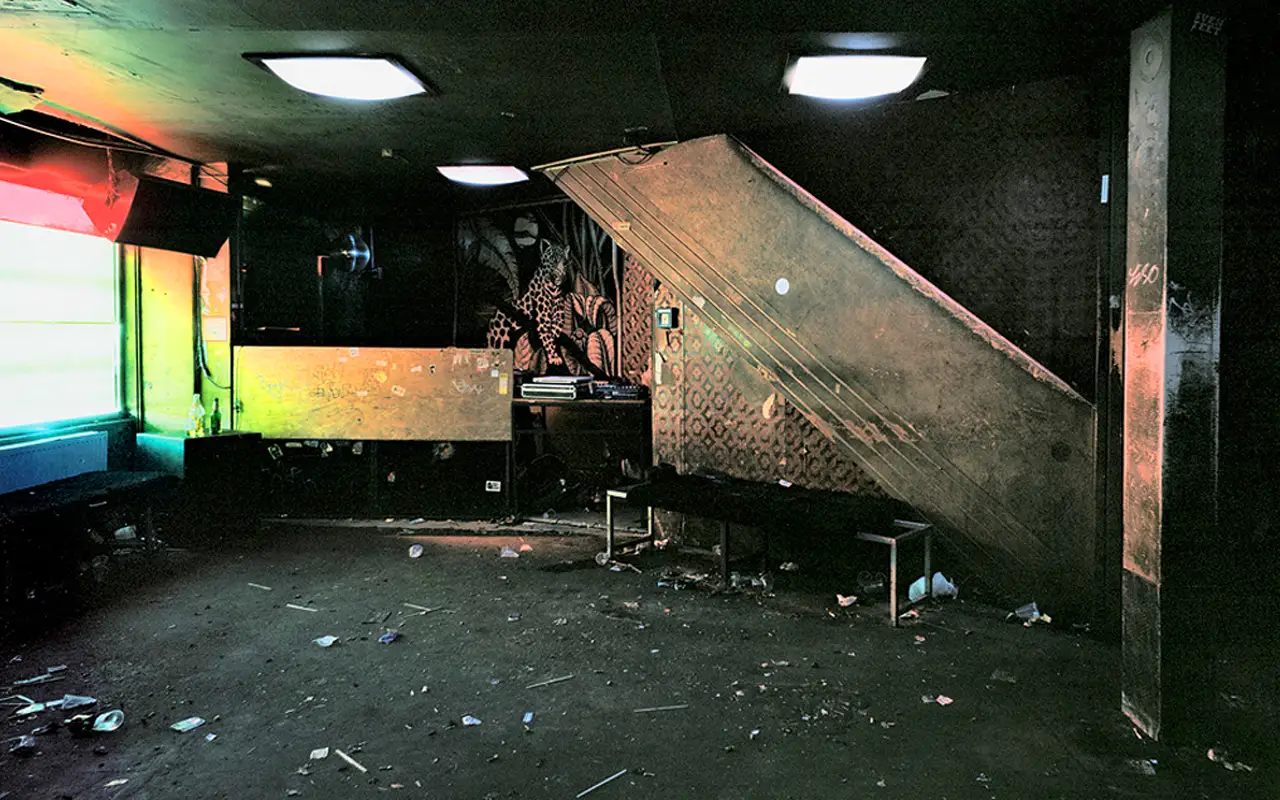
10. Lokschuppen: events on the RAW-Gelände
Best for: late-night electronic parties, promoter-led events and a relatively accessible location near Warschauer Straße. Area: Friedrichshain.
Lokschuppen occupies an industrial-style club space on the RAW grounds. Unlike Berghain or Tresor, its identity is closely tied to the promoter occupying the space that night. Programmes can move between techno, house and other electronic music. If you’re deciding based on the genre alone, verify the lineup rather than treating the building’s reputation as a promise.
Its position close to Warschauer Straße makes it convenient when moving between venues, but that convenience should not replace the normal work of choosing a good party. Check the published event, its floor information and the stated entrance route before travelling.
Location: RAW-Gelände, access via Revaler Straße 99, 10245 Berlin. Venue information.
11. KitKatClub: music within a distinctive party culture
Best for: adults deliberately seeking sex-positive, expressive parties that also feature electronic music. Area: Mitte.
KitKatClub belongs in a serious Berlin nightlife guide, but it should never be sold as simply another techno venue. Its identity includes adult, sex-positive party culture, expressive dress policies and an expectation that visitors respect consent, privacy and the boundaries of others. Not all events have the same format, and the music can vary by party.
Before considering a visit, read the rules for the actual event, including dress requirements, age limits and photography restrictions. You should not arrive expecting a conventional tourist nightclub or a uniform techno programme. The space is most relevant to people who actively want to participate respectfully in that particular culture.
Address: Köpenicker Straße 76, 10179 Berlin. Official club website.
Berlin clubs that have closed or changed
Watergate: closed at its famous riverside location
Watergate was an influential electronic-music club at the Oberbaumbrücke, particularly known for its view over the Spree and its house and minimal bookings. In September 2024 the team announced it would close at the end of that year, citing the financial pressure of rent and operating costs. Visitors should not use an old Berlin club guide to travel to the former Watergate address expecting the original club to be operating.
The legacy of Watergate remains part of Berlin’s electronic-music history. Read the dated closure announcement on Resident Advisor.
Renate: not closed, but renewed
Other old lists mistakenly treat Renate’s previously threatened closure as final. Its operator secured a new lease in late 2025 and the club reopened fully in April 2026. We have therefore kept Renate in our active recommendations, with updated opening and visitor information.
Suicide Circus and older venue names
Berlin nightlife changes names, operators and locations. Articles from 2022 or 2024 may refer to rooms or businesses that have since changed. For today’s events at the RAW complex, check current venue and promoter listings, including Lokschuppen, rather than depending on historic names alone.
Which Berlin techno club should you choose?
For a techno-first night: compare the current lineups at Berghain, Tresor and RSO. Their sound and scale are different, but all have demonstrated current techno programming. For a more exploratory soundtrack: follow OHM and ://about blank. For extended, playful dancing: consider Sisyphos, Renate or Kater, while recognising that house and other genres can feature heavily. For smaller and later sessions: Golden Gate is worth investigating.
If a specific DJ, sound or promoter brought you to Berlin, follow that lead rather than trying to tick off every famous venue. The same room can offer a remarkable experience one weekend and music entirely outside your taste the next. Use Resident Advisor’s Berlin events listings as a cross-check, then verify the club’s own programme.
Practical tips for Berlin clubbing
- Check the actual event. A ‘techno club’ might host house, electro, experimental music or a concert on the night you visit. Look at the DJ and promoter first.
- Do not expect guaranteed entry. Some venues have selective admissions policies. Presale tickets may not override these rules; read refund conditions and stay respectful if declined.
- Bring identification and confirm age limits. Rules differ. Renate publishes a 21+ policy; some Sisyphos events also specify 21+, whereas others have different conditions.
- Wear clothes suitable for the night. There is no universal Berlin techno uniform or guaranteed ‘Berghain outfit’. Event-specific rules, particularly at KitKatClub, are a separate matter.
- Protect privacy and consent. Some venues restrict photos or filming. Keep your phone away where required and do not record other clubbers without permission.
- Plan your route home. RSO and Sisyphos are farther from central nightlife corridors. Some weekend public transport continues overnight, but check the precise service, station and route.
- Respect the space and other dancers. Avoid unwanted contact, take breaks, stay hydrated and treat club staff and the surrounding neighbourhood with consideration.
Frequently asked questions about techno clubs in Berlin
Which Berlin club is best for techno rather than general electronic music?
Berghain, Tresor and RSO are good places to begin, but their lineups differ considerably. The right venue depends on whether you prefer hypnotic, industrial, hard groove or more experimental techno.
Is Watergate still open in Berlin?
The famous Watergate club at Oberbaumbrücke closed at the end of 2024. Do not rely on old guides that still recommend it as an active venue.
Did Renate close?
No. After a period of uncertainty and a brief pause, Renate secured a new lease and reopened fully in April 2026. Its 2026 programme and official visitor information are available on the club’s website.
What should I wear to Berghain?
There is no official, reliable dress formula that guarantees entry. Choose comfortable clothes suitable for dancing and the weather, know which event you are attending and respect the venue’s policies.
Can I buy tickets in advance?
Some events offer presale tickets, but this varies by promoter and club. Read the refund and door policies: Tresor and Renate explicitly warn that a ticket does not guarantee admission.
Are all Berlin techno clubs 18+?
No. Different clubs and parties can have different minimum ages, including 21+. Check each event and bring valid government-issued identification.
Is there a better choice than Berghain if I cannot get in?
Yes. Tresor, RSO, OHM and other venues host substantial electronic programmes in their own right. Choosing a night because you love the artists is more productive than treating one club as the whole Berlin scene.
Explore more techno city guides
If Berlin is part of a wider trip, explore our updated guides to Paris, Copenhagen and Amsterdam. We also cover London and Barcelona. To understand what the different lineups mean musically, start with our techno subgenres guide.
Editorial methodology: Club activity, addresses and notable changes were checked against official programmes, Berlin city information and current event listings on 30 October 2026. We distinguish dedicated techno programming from multi-genre venues and do not present historic or closed locations as current recommendations. Venue admission rules and opening times always take precedence.