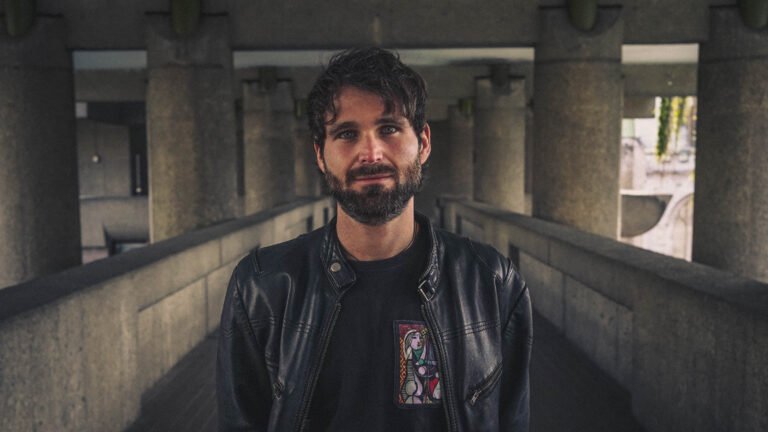
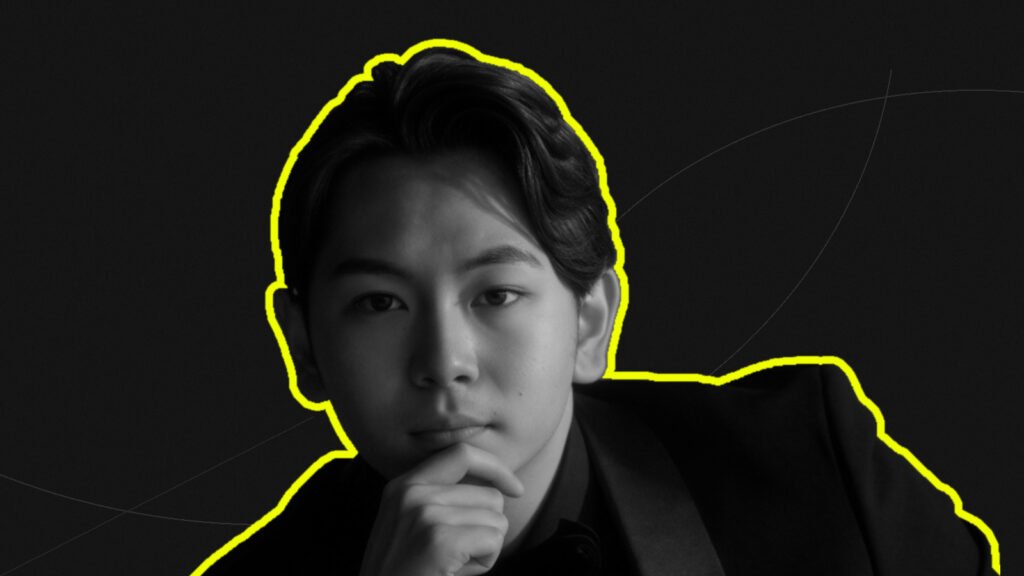
Before becoming known as Kendall Boom, Kentaro Shingai studied piano and trombone. He first became drawn to DJing after watching The Chainsmokers perform at Amsterdam Music Festival in a 2016 YouTube video. The move into electronic music introduced him to another way of thinking about arrangement, rhythm and what happens when a track meets an audience.
Based in Tokyo, Kendall Boom has since played venues including CLUB CAMELOT, ZERO TOKYO, Toyosu PIT and Zepp Yokohama. His productions move between tech house, bass house and UK garage, while his 2026 release Sweat Drip arrived through Sonoros, part of Sirup Music. He has also sought out independent performances and radio opportunities during major music-industry weeks in Austin, Miami and Amsterdam.
In this interview with Underground Talent, he talks about earning his first club booking, testing original music in a set, building relationships beyond Japan and the work behind his ambition to play Tomorrowland.
Interview with Kendall Boom

1. How much does your early classical education still influence your productions?
Quite a lot, actually. I studied piano and trombone when I was younger, before I became interested in electronic music. They gave me a basic understanding of harmony, phrasing, timing and how musical parts work together. Those skills still come into play when I’m building a track.
I first became fascinated by DJs after watching The Chainsmokers at Amsterdam Music Festival 2016 on YouTube. At the time, electronic music felt completely different from what I’d grown up playing, but the more I explored it, the more connections I noticed. Classical music taught me to pay attention to the whole arrangement, not just one sound.
2. What is Tokyo’s scene like for a young producer, and which experiences had the biggest impact?
Tokyo is exciting because there’s a huge range of music happening at the same time, but getting an initial opportunity can be difficult. You need more than a good playlist or a few tracks; you have to show people what you can bring to a night and earn their trust.
CLUB CAMELOT in Shibuya is especially important to me because it was the first nightclub I ever played. I learned much more from that one real audience than I could have learned just practising at home. Since then, I’ve played larger spaces such as Toyosu PIT and Zepp Yokohama, as well as clubs including ZERO TOKYO. Larger stages are exciting, but that first club experience taught me the importance of reading a room. Every opportunity has to lead to a better performance, not just another name on a list.

3. What connects tech house, bass house and UK garage in your sound?
For me, it’s the groove and the way energy develops. I don’t want to change genres just for the sake of it. I want every track to feel as though it belongs in the same journey, even if the drums and basslines have different characters.
I often start a DJ set at around 130–132 BPM and gradually build towards a stronger, faster climax. A Japanese saying, “owari yokereba subete yoshi”, means something like “all’s well that ends well”. That idea has influenced the way I structure a set: the final moments should be the most memorable, while the entire journey remains enjoyable. I try to take a similar approach with my own productions, thinking about how a groove develops and where the payoff should arrive.
4. How have your productions evolved from Japanese Rumble and Let’s Go Gambling to Sweat Drip, and what have labels taught you?
Those earlier tracks were part of figuring out which ideas excited me most. I was experimenting with different rhythms, sounds and approaches rather than trying to fit into one very specific category.
By the time I released “Sweat Drip” through Sonoros, part of Sirup Music, in May 2026, I was thinking more about whether a track works as a complete club record. Does the groove stay interesting? Is there enough space for the bassline? Would I actually want to play this in a set? Working with people beyond Japan has also made me appreciate the importance of presenting an idea clearly and being open to feedback, without losing the part that makes it yours.
Listen to the records discussed
Sweat Drip (Sonoros / Sirup Music, 2026)
Release details at Sirup Music
Japanese Rumble (2025, Apple Music preview)
Let’s Go Gambling (2025, Apple Music preview)
5. How important is testing unreleased tracks, and when do you know one is finished?
It’s really important. My ANTS NEXT GEN 2026 mix was an opportunity to present my own productions together, which made me think about whether the tracks could stand up as a full DJ experience, not just as separate files in a project folder.
When I test my music, I listen for the feeling it creates. A part that sounds exciting in the studio can feel too long or lose energy in a set. I know a track is getting close when I can play it without mentally listing all the things I still want to fix. At some point you have to trust the groove and stop adding things.
Listen: ANTS NEXT GEN 2026 DJ mix
6. How did the SXSW, Miami Music Week and ADE opportunities happen, and what did you learn?
A lot of it came from being proactive: reaching out, introducing myself and sharing my music rather than waiting for someone to find me. I played independent opportunities during SXSW week in Austin and Miami Music Week, and then during ADE week in Amsterdam in 2026. These weren’t claims of official main-festival stages; the value was being part of the cities’ music communities during those weeks.
Amsterdam was especially rewarding. I had DJ and radio opportunities including PCR.fm, WAX Radio and Slim Radio, and met people through smaller local spaces. It showed me how much a scene depends on the people organising events, playing new music and supporting one another.
I also learned to be careful about who I trust. Some people are generous and genuinely interested in collaborating; others are only interested in what they can gain. Building international relationships has meant learning to tell the difference.
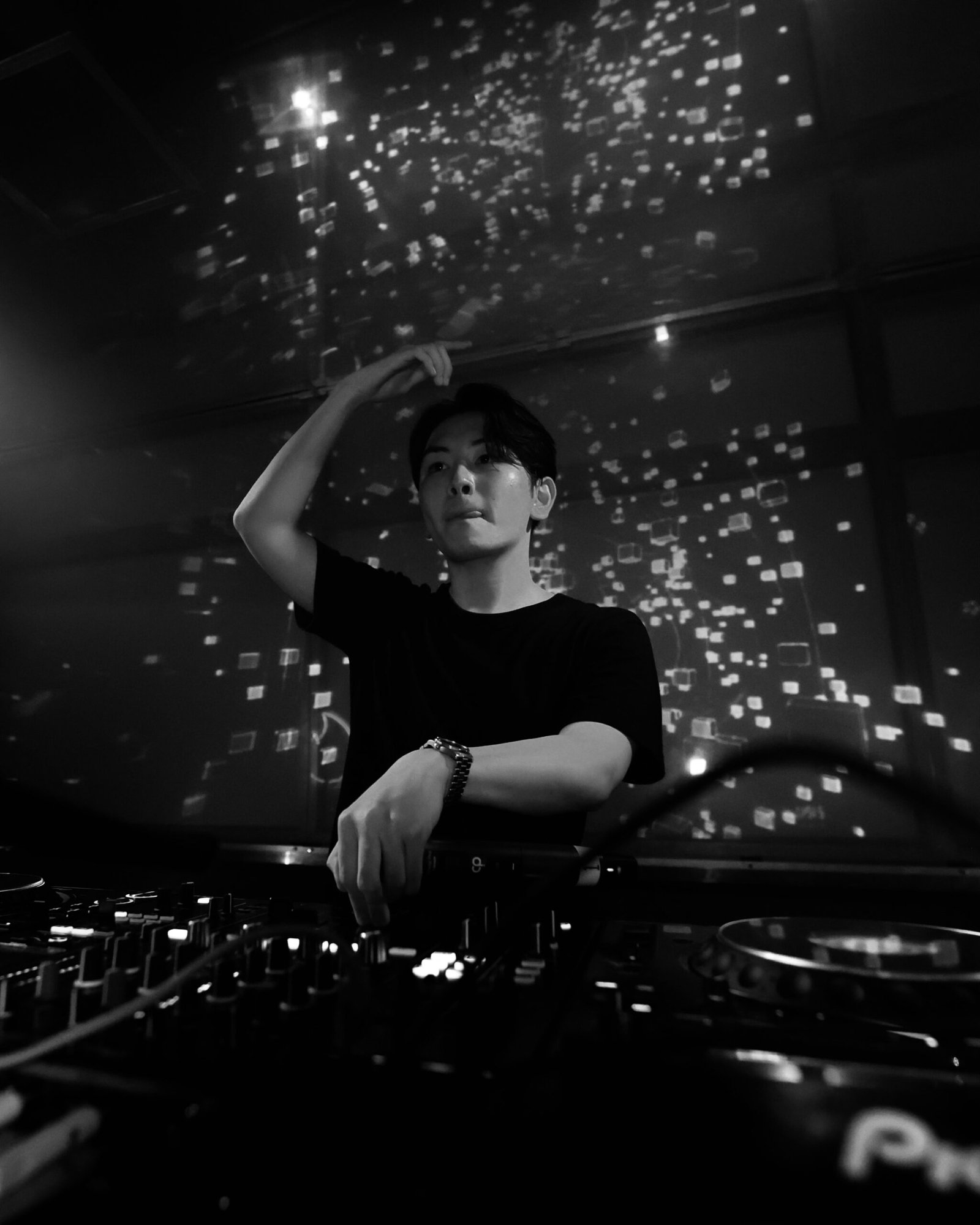
7. Which UK or European artists or scenes have influenced you?
The Chainsmokers were an early reason I wanted to become a DJ. I’ve also talked before about the influence of Martin Garrix and Gesaffelstein. I love the sense of scale and tension those artists can create, even though the music I produce now isn’t limited to the styles I first discovered.
More recently, the rhythmic swing of UK garage and the groove-driven approach of European house music have been important to me. I enjoy pairing that rhythmic movement with more forceful bass-house moments. The goal isn’t to copy a particular artist; it’s to understand why a record works and bring that lesson into my own sound.
8. Has your approach to contacting promoters changed, and can you share a connection that mattered?
The basic attitude hasn’t changed: if there’s an opportunity I’m interested in, I’ll introduce myself rather than wait. But I’ve learned that a good approach is personal and specific. It’s much better to explain why your sound suits someone’s event than send the same pitch to everybody.
My first nightclub appearance at CLUB CAMELOT was an important early opportunity, because it gave me experience and the confidence to pursue more shows. Later, meeting radio hosts and organisers around ADE reinforced how one genuine conversation can lead to a very different kind of opportunity. Now I pay much more attention to maintaining those relationships, not just making the initial contact.

9. How do you balance social media and brand-related opportunities with making music?
I see social media as a way for the music to travel, not as the main product. It can help people in another country discover who I am before we’ve ever met, which is incredibly valuable for a Tokyo-based artist trying to work internationally.
The difficult part is that promotion never really has an obvious finish line. There is always another post, message or opportunity to follow up on. I try to make sure I still have time to work on tracks and practise, because having a big online presence would mean very little if I wasn’t getting better at the actual music. I’m still learning that balance.
10. What are you working on, and what would you most like to achieve next?
I’m continuing to produce original house, bass house and UK garage music, work on remixes and DJ mixes, and develop relationships with labels, promoters and radio platforms outside Japan. I want the next releases to show more clearly what my own sound is becoming.
Long-term, my biggest ambition is to perform at Tomorrowland. I said that was my dream years ago, before my 2026 experiences in Austin, Miami and Amsterdam. Those international opportunities have made that dream feel more concrete, but I know there’s a lot more work to do. I want to keep improving the music, building real connections and earning my way onto bigger stages.

Looking ahead
Kendall Boom’s account of growing as a DJ is grounded in practical moments: the first room that taught him to read a crowd, the unfinished tracks tested in a mix, and the conversations that turned into opportunities abroad. He is candid about both the value and the difficulty of promoting himself internationally.
Tomorrowland remains the long-term ambition, but his immediate focus is clearer than any single stage: making stronger records, staying curious about different club sounds and building relationships that last beyond one appearance. As his releases develop, the connection between Tokyo’s clubs and the scenes he visits abroad is becoming part of his musical identity.
Listen to Kendall Boom
Recent release: TURN IT DJ with Antrix (4 September 2026, Apple Music preview).
Explore more on Kendall Boom’s SoundCloud, revisit Sweat Drip on Sonoros / Sirup Music, or open his ANTS NEXT GEN 2026 mix.
Follow Kendall Boom
SoundCloud · Instagram · Official website
Explore more conversations with DJs and producers in Underground Talent’s interviews.