Updated 23 November 2026. Venue identities, addresses and recent activity were checked against official sites, event calendars and independent listings. Events and entry policies change; check the specific date before travelling.
Where are Tokyo’s best techno clubs?
For a first techno-focused night, start by comparing WOMB and VENT. WOMB is an established multi-room institution, while VENT places greater emphasis on a smaller, music-led programme. Z MARUYAMA and MITSUKI are worth investigating for intimate underground sessions. ENTER and CIRCUS TOKYO reward listeners with wider electronic tastes; ZEROTOKYO serves larger productions, and FORESTLIMIT is for the adventurous edge of the scene.
Tokyo is not a city where a single club name reliably predicts the soundtrack. A well-known room can move between hypnotic techno, house, experimental electronics, drum & bass and trance depending on the event. The most useful questions are who is playing, who organised the night, and where the venue actually is.
This Underground Talent guide is a curated selection, not a numerical ranking. It prioritises distinctive choices and confirmed 2026 activity instead of recycling closed venues or claiming that every place plays techno every weekend. The last section also explains the history of Contact and Sound Museum Vision, two major names that cannot be visited at their former premises.
Tokyo techno clubs at a glance
- WOMB: Tokyo’s established multi-floor institution. Read details.
- VENT: a sound-first alternative in Aoyama. Read details.
- Z MARUYAMA: the newer small-room answer from WOMB’s team. Read details.
- MITSUKI: a Dogenzaka basement for underground discovery. Read details.
- ENTER SHIBUYA: a compact Jingūmae room with broad underground programming. Read details.
- CIRCUS TOKYO: Shibuya’s eclectic underground and bass crossover. Read details.
- ZEROTOKYO: a large Shinjuku event complex, not an underground purist room. Read details.
- FORESTLIMIT: a Hatagaya space for experimental electronic culture. Read details.
On a specific date? Compare the official venue programmes below with Resident Advisor’s Tokyo techno listings. The event matters more than the reputation of a building.
1. WOMB: Tokyo’s established multi-floor institution
Best for: an international electronic bill, techno, drum & bass or adventurous club music, depending on the event. Area: Maruyamachō, Shibuya. Address: 2-16 Maruyama-cho, Shibuya-ku, Tokyo 150-0044, Japan.
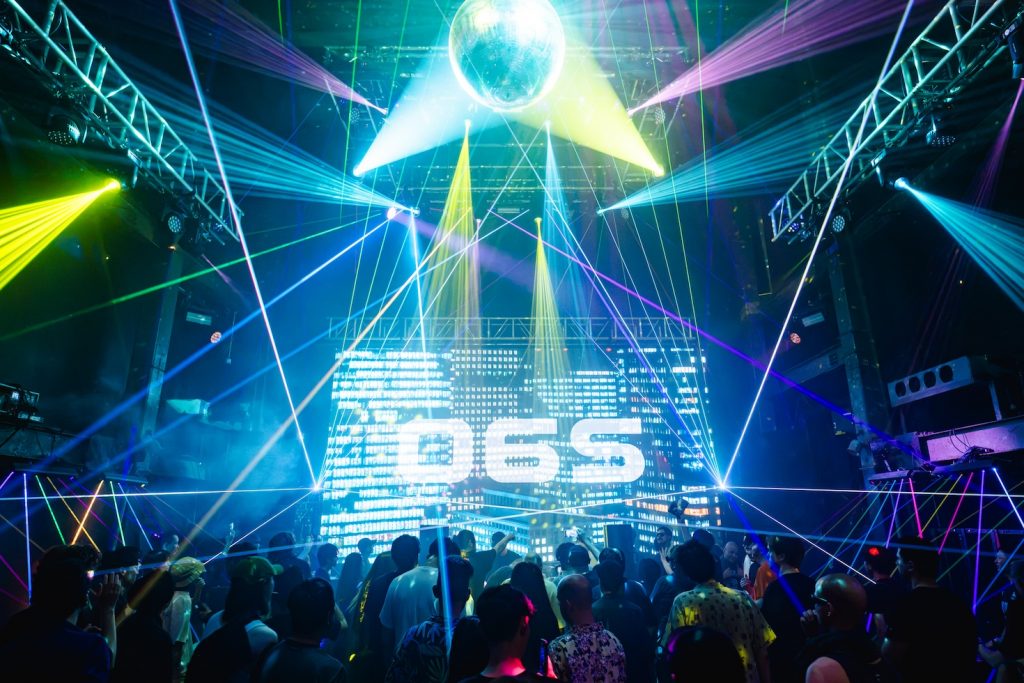
WOMB has operated in Shibuya since 2000, making it one of the few clubs on this list with a history spanning several eras of Tokyo dance music. The club’s multi-floor layout and central dancefloor allow different styles to coexist: one room might be built around driving techno while another pushes bass music, house or a more melodic direction. Its reputation is significant, but the event remains the real unit of choice.
The 2026 calendar makes this distinction easy to see. The official 28 November SO FAR bill includes DJ Dextro, Risa Taniguchi, Kulage and Shogo Ito, while other dates range through progressive house, drum & bass and acid. Checking the whole schedule reveals far more than reading an old ‘best clubs’ ranking. The club also publishes an English-language programme, helpful if you are planning from abroad.
WOMB makes sense for a visitor who wants a recognised Tokyo club with several directions to explore in one building. It is less suitable if you are looking for the smallest possible room or a dedicated techno policy every night. Do not confuse WOMB itself with WOMB LIVE programming: different events can occupy different floors or formats. Follow the exact ticket’s floor, date and admission rules.
Official venue: WOMB website / programme. Dated event evidence: SO FAR, 28 November 2026.
2. VENT: a sound-first alternative in Aoyama
Best for: serious house and techno selections in a more intimate space. Area: Minami-Aoyama / Omotesandō. Address: Festae Omotesando Building B1F, 3-18-19 Minami-Aoyama, Minato-ku, Tokyo 107-0062, Japan.
VENT is a useful counterpoint to WOMB’s larger, multi-floor environment. Its appeal is in the musical programming and the dancefloor’s focus, rather than a promise of enormous visuals. It has been part of the Omotesandō and Aoyama nightlife landscape since 2016, regularly bringing together Japanese selectors and international guests. Its schedule crosses house, minimal, leftfield electronic music and techno.
Recent evidence is unusually clear. On 21 November 2026, VENT hosted Philippa Pacho with machìna and Mari Sakurai on a bill rooted in contemporary techno. Earlier in the month, Tigerhead appeared on 2 November. Those individual bookings support the venue’s inclusion far better than an unsupported claim that it always plays hard techno. The same club also hosts quite different house-oriented events.
If you are drawn to texture, pacing and the character of the DJ’s selections, VENT should be high on the research list. Compare a techno bill with any house or experimental session before deciding; the difference can be substantial. The venue’s official website may occasionally be difficult to load, so its published Resident Advisor venue page is a useful backup for current listings and precise address details.
Official venue: VENT official Instagram / updates. Dated event evidence: Philippa Pacho at VENT, 21 November 2026.
3. Z MARUYAMA: the newer small-room answer from WOMB’s team
Best for: a compact electronic dancefloor without the scale of a superclub. Area: Maruyamachō, Shibuya. Address: 1F, Doctor Jeekahn’s Building, 2-4 Maruyama-cho, Shibuya-ku, Tokyo 150-0044, Japan.
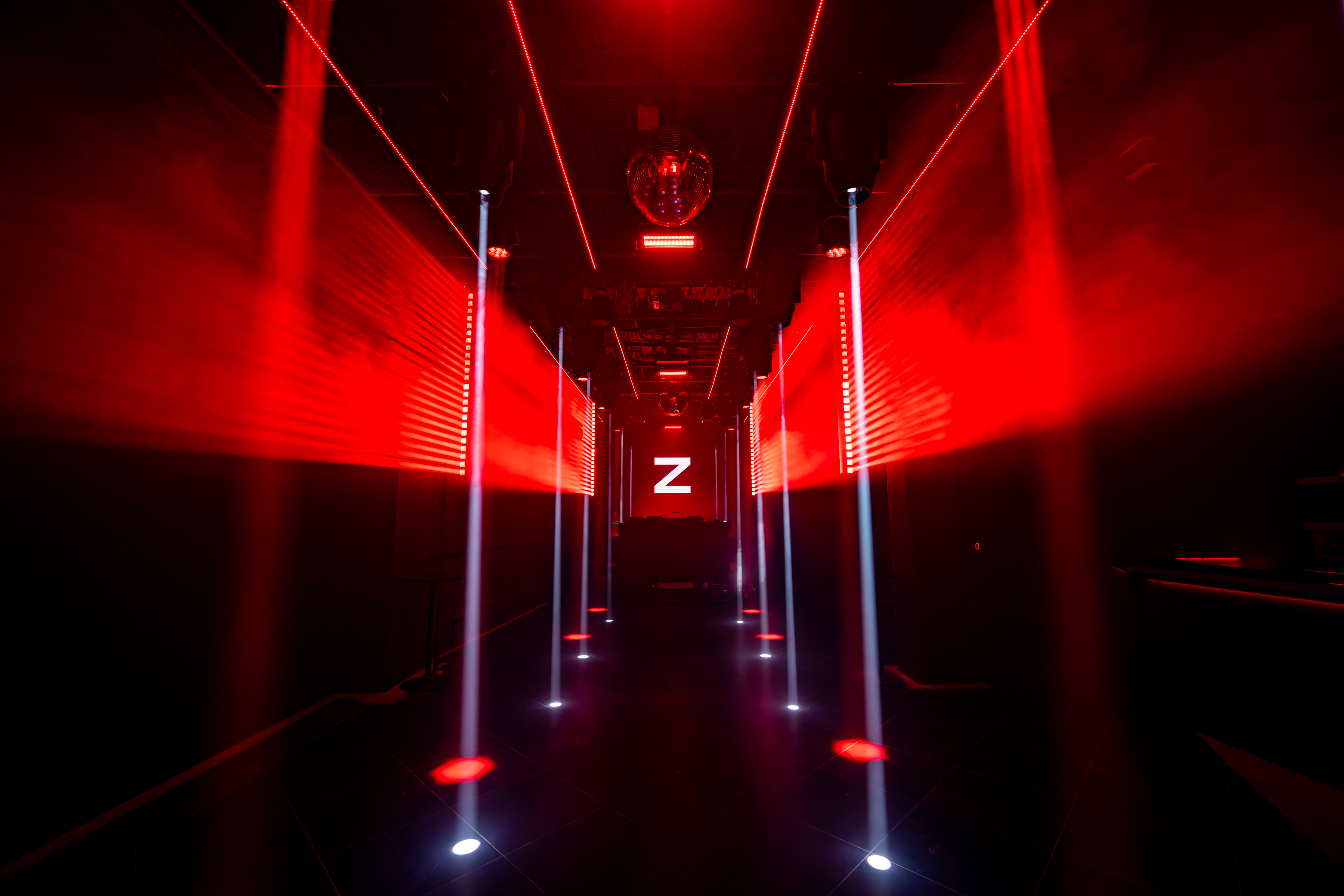
One of the most useful updates to a 2026 Tokyo guide is a venue that did not appear on many older lists. Z MARUYAMA opened on 5 December 2025 as a new project from the people behind WOMB. It was conceived as a small club made for dancing, not as another large branch of WOMB or simply a listening bar. That distinction makes it worth considering separately, although the two have shared organisational roots.
Its official November 2026 programme includes INTERSECT on 26 November, tagged techno and tech house, alongside other sessions with house, electronic and more specialised music. A small floor can be ideal for following a DJ’s transitions and connecting with a local crowd; equally, a promoter-led techno session here will not automatically resemble a main-floor WOMB event.
The two venues are close geographically, but they are distinct addresses with different identities. Do not infer that a ticket admits you to both unless a particular crossover event explicitly says so. If you prefer concentration and scale over spectacle, check Z MARUYAMA’s own programme first, especially newer nights whose line-ups may not yet appear in international roundups.
Official venue: Z MARUYAMA website / programme. Dated event evidence: INTERSECT, 26 November 2026.
4. MITSUKI: a Dogenzaka basement for underground discovery
Best for: smaller house, minimal, electro and techno events with a local club-bar atmosphere. Area: Dogenzaka, Shibuya. Address: B1F, 1-22-12 Dogenzaka, Shibuya-ku, Tokyo 150-0043, Japan.
MITSUKI is more closely connected to Tokyo’s small-room underground culture than to headline-oriented nightlife. It has operated in a basement off Dogenzaka since 2019, with a programme that moves between house, minimal, electro and techno. That versatility is part of the reason it is interesting: you might find a local session with extended sets rather than a line-up shaped exclusively around major visiting acts.
Rather than accepting a generic genre label, look at the promoters who use the room. The Katharsis label’s 11th-anniversary party in April 2026, for example, was presented as an evening of deep and hypnotic techno, while other events have leaned toward different electronic traditions. This is a valuable example of how a recurring community or label can define the sound of a particular night.
MITSUKI suits listeners who want to discover artists and do not need a giant stage to make the experience feel important. Its official site directs visitors toward Instagram for its latest information, so check that channel, the venue’s current event listing and the ticket date. The physical address should not be confused with a nearby Shibuya nightlife business using a similar name.
Official venue: MITSUKI website / programme. Dated event evidence: Katharsis 11th anniversary at MITSUKI, April 2026.
5. ENTER SHIBUYA: a compact Jingūmae room with broad underground programming
Best for: cross-genre electronic bookings, local collectives and smaller dancefloor experiences. Area: Jingūmae, Shibuya. Address: 6F GEMS Jingūmae, 6-19-17 Jingūmae, Shibuya-ku, Tokyo 150-0001, Japan.

ENTER opened in 2022 and is operated by Global Hearts, the company associated with several influential Tokyo club and DJ-bar projects. It offers a smaller-scale space for the next generation of local artists and collectives. The official site describes its ambition in terms of knowledge-sharing and musical community, rather than positioning the venue as a one-genre destination.
This makes ENTER genuinely useful, but only if the bill is right. A November 2026 HEADS event was described with techno and psytrance, while other recent listings have featured bass, experimental electronic music, house and quite different approaches. Calling ENTER a dedicated hard-techno room would erase the very diversity that gives it a place in Tokyo’s underground.
For visitors, the location is a useful correction: ENTER is in Jingūmae, not at Contact’s former Dogenzaka premises. Some articles mention the two together because people associated with the earlier scene helped build later projects, but a historical relationship is not a shared address. Use ENTER’s current programme, bring the appropriate ID and read any entry conditions specific to the date.
Official venue: ENTER SHIBUYA website / programme. Dated event evidence: HEADS, 18 November 2026.
6. CIRCUS TOKYO: Shibuya’s eclectic underground and bass crossover
Best for: techno when the line-up supports it, as well as bass, breaks and other adventurous club sounds. Area: Shibuya. Address: 3-26-16 Shibuya, Shibuya-ku, Tokyo 150-0002, Japan.

CIRCUS TOKYO occupies a different place in this guide from WOMB or VENT. Its strengths include bass-heavy and experimental programming as well as techno, and the venue’s event calendar makes clear that it does not adhere to one sound. That eclecticism is a reason to include it for open-minded electronic listeners, but also a reason not to mislabel every night as techno.
The venue’s official site remains active with events in late November 2026, including the 140Tokyo night on 22 November. That specific party is not proof of a techno-only policy; rather, it shows CIRCUS’s ability to host club cultures that sit next to techno and sometimes overlap with it. If your taste extends to breaks, jungle or bass-oriented sets, it may be a more rewarding choice than a strict four-to-the-floor programme.
CIRCUS is an option for people who make decisions from artists and promoters rather than expectations built around a famous address. Verify the genre tags on the particular event and whether it is a concert, club night or hybrid programme. The name is also shared by unrelated hospitality businesses elsewhere in Tokyo, so use the Shibuya street address from its official site.
Official venue: CIRCUS TOKYO website / programme. Dated event evidence: 140Tokyo, 22 November 2026.
7. ZEROTOKYO: a large Shinjuku event complex, not an underground purist room
Best for: large-scale electronic productions and selected harder techno events. Area: Kabukichō, Shinjuku. Address: B1–B4, Tokyu Kabukicho Tower, 1-29-1 Kabukichō, Shinjuku-ku, Tokyo 160-0021, Japan.

ZEROTOKYO opened in April 2023 inside Tokyu Kabukicho Tower and offers a very different night from Tokyo’s more stripped-back dancefloors. The site contains several event areas across basement levels, with major staging and a broad musical programme. Its scale attracts listeners who want a substantial production, but it should not be treated as a permanent home for one strain of techno.
The current calendar proves the point. Its 28 November 2026 Locker Room event, featuring DAISY, is promoted as part of the hard-techno scene, while earlier November dates include trance, hip-hop and other formats. The question is not whether ZEROTOKYO is impressive on paper; it is whether the named event matches the music you came to hear.
Practical details deserve special attention here. The venue’s own system pages say entry is restricted to people aged 20 or over, that photographic ID is required, and that most transactions are cashless. It also warns that busy sessions may restrict access to individual rooms. Do not assume that a ticket gives unrestricted access to every space during peak periods; read the event’s conditions.
Official venue: ZEROTOKYO website / programme. Dated event evidence: Locker Room feat. DAISY, 28 November 2026.
8. FORESTLIMIT: a Hatagaya space for experimental electronic culture
Best for: leftfield DJs, live electronics and scenes beyond strict techno. Area: Hatagaya, Shibuya ward. Address: B1F, KODA Building, 2-8-15 Hatagaya, Shibuya-ku, Tokyo 151-0072, Japan.
FORESTLIMIT belongs near the edge of a techno club guide because its importance cannot be explained by the techno label alone. This compact basement space is a home for experimental music, live performance, DJs and artists who move across club and non-club formats. An evening there may be about noise, ambient, bass, deconstructed electronics or a specific techno-adjacent community.
Late-November evidence is available from the venue’s own programme and Resident Advisor: an event titled METAL vol.5 took place on 19 November 2026, while other dates featured live artists and DJs rather than standard club bills. Some guide sites classify FORESTLIMIT as a techno nightclub, which is misleading if taken literally. Its experimental character is the reason to go.
Go with an open mind and check the programme before travelling to Hatagaya, which is not in the same nightlife cluster as WOMB, MITSUKI or ENTER. On some evenings the activity may be earlier than the conventional overnight club schedule. If your priority is an uninterrupted four-hour techno set, FORESTLIMIT might be the wrong ticket; if you enjoy the boundaries of underground electronic culture, it is one of the more distinctive choices.
Official venue: FORESTLIMIT website / programme. Dated event evidence: METAL vol.5, 19 November 2026.
Tokyo clubs you may see in older guides, but cannot visit at their old addresses
Contact was an influential Shibuya electronic club, especially for house and techno culture, but its organisers announced the closure of the Dogenzaka venue on 17 September 2022. The club’s own closure notice confirms the date. Present-day events carrying a Contact connection are not evidence that the former club building reopened.
Sound Museum Vision, another important Shibuya venue, closed on 3 September 2022 during the redevelopment of the surrounding district. Contemporary reporting documented both closures. Old recommendations still include these places without mentioning that they shut down, and some current automated lists incorrectly display them as open.
Tokyo’s scene did not disappear with those venues. Smaller spaces such as MITSUKI and ENTER, alongside later additions such as Z MARUYAMA, show that new rooms and organisers have kept the city’s electronic nightlife changing. Historical influence deserves recognition, but it should not be mistaken for current travel advice.
Which Tokyo club should you choose?
If you want focused techno and deep selections: investigate VENT and particular nights at Z MARUYAMA or MITSUKI. The bill will reveal whether you are booking driving techno, hypnotic material, minimal or something closer to house. Even a highly respected underground venue can host a different musical idea the following evening.
If you want a familiar international club with several rooms: look at WOMB. It offers a broader programme and can introduce you to several local selectors on one night. Compare the artists on the different floors before assuming the main-room headline describes the entire event.
If you prefer intimate community-led discovery: MITSUKI and ENTER are better starting points than a large superclub, with Z MARUYAMA providing another small-room option. These choices are useful for following the local scene rather than only purchasing tickets for international names.
If you care about bass and experimental club forms: CIRCUS and FORESTLIMIT are particularly interesting. Neither should be described as a guaranteed techno night, but both are worth attention if your musical curiosity extends into breaks, experimental electronics or live sound.
If the production and a large international bill are the attraction: ZEROTOKYO can be the right venue. It is also a useful reminder that ‘large club’, ‘techno night’ and ‘underground culture’ are not synonyms; an individual techno party within a large venue can still be worthwhile when its programme is strong.
Practical guide to clubbing in Tokyo
Last trains and getting home
Tokyo’s extensive rail network does not mean every line runs all night. A club night may finish close to the first trains, while an earlier show or a move between neighbourhoods can leave you with a long taxi journey. Check the relevant station’s final and first departures before buying tickets. The official Tokyo Metro transfer search includes a last-train option.
WOMB, MITSUKI and Z MARUYAMA are in the Shibuya and Dogenzaka/Maruyamachō orbit, but that does not mean the doors are beside each other. ENTER is in Jingūmae, VENT is in Aoyama, CIRCUS is elsewhere in Shibuya, and ZEROTOKYO is in Shinjuku. FORESTLIMIT requires a separate journey to Hatagaya. Think about the entire route, including after the performance, rather than simply searching the word ‘Shibuya’.
Age limits, ID and cashless policies
Japan’s legal drinking age remains 20, according to Tokyo’s official travel guide. Many late-night clubs enforce a 20-plus policy and check photographic identification, but it is important not to invent a universal admission rule for every concert, daytime event or venue. ZEROTOKYO explicitly says it is 20-plus and operates largely cashlessly; WOMB also publishes detailed age and ID guidance.
Bring the original identification accepted by your venue, and read its specific visitor information before travelling. Do not assume a photo or scan will be accepted in place of the original. MITSUKI also states a 20-plus, government-issued photo-ID rule, no re-entry and no flash photography on its official site. If a ticket offers an age-based discount, the venue may require further evidence.
Photography, respect and the dancefloor
A ticket is not an invitation to ignore a venue’s door, photography or consent policies. Some electronic spaces discourage filming or may restrict it during particular events. Avoid filming strangers on the dancefloor without permission. In compact rooms, be considerate of people trying to listen and move rather than treating the club as a backdrop for social media.
Support the warm-up artists and local residents as well as the headliner. Tokyo’s musical breadth makes it tempting to chase only names already familiar from European festival bills, but the reason to visit these rooms is to hear artists and scenes that are not necessarily visible on the same international circuit.
FAQs: Tokyo techno clubs
Which Tokyo club is best for techno?
There is no single winner on every weekend. WOMB has a substantial electronic programme, VENT often hosts carefully selected house and techno, and Z MARUYAMA or MITSUKI may offer a more intimate night. Check the specific event and the supporting artists.
Are all Tokyo nightclubs in Shibuya?
No. Several major electronic clubs are in Shibuya, but VENT is in Minami-Aoyama, ZEROTOKYO is in Shinjuku, and FORESTLIMIT is in Hatagaya. Neighbourhood and transport matter when planning a night.
Can I still go to Contact Tokyo?
Not at its former venue. Contact closed on 17 September 2022. Look for current venues and events associated with the same wider music community rather than following an old address.
How old do I have to be to enter Tokyo techno clubs?
Many late-night dance clubs require guests to be 20 or older with original photographic ID. Some other events have different rules; check the particular organiser’s current information. The legal drinking age in Japan is 20.
What if I want underground techno rather than a big festival sound?
Start with the event calendars at VENT, MITSUKI and Z MARUYAMA, then look for techno-centred nights at WOMB. Listen to the artists instead of relying on broad marketing terms such as ‘underground’ or ‘hard techno’.
Other Underground Talent city guides
Tokyo’s mix of small rooms and larger clubs is not interchangeable with Berlin, Paris or London. Compare our Berlin guide, Paris guide, Copenhagen guide, and Madrid guide to understand different local scenes. All are intended to help readers choose a real night, not to rank music cultures against one another.
Sources, verification and editorial method
Last research check: 23 November 2026. Underground Talent prioritised venue websites and dated official calendars, then cross-checked addresses and event histories with Resident Advisor, local music reporting and Japan’s public visitor information. We did not assume every club plays techno every weekend or that a room is active merely because it appears in an old tourism article. Examples of November 2026 events are snapshots, not promises that a programme will recur in the future.
- WOMB: official venue; SO FAR, 28 November 2026.
- VENT: official venue; Philippa Pacho at VENT, 21 November 2026.
- Z MARUYAMA: official venue; INTERSECT, 26 November 2026.
- MITSUKI: official venue; Katharsis 11th anniversary at MITSUKI, April 2026.
- ENTER SHIBUYA: official venue; HEADS, 18 November 2026.
- CIRCUS TOKYO: official venue; 140Tokyo, 22 November 2026.
- ZEROTOKYO: official venue; Locker Room feat. DAISY, 28 November 2026.
- FORESTLIMIT: official venue; METAL vol.5, 19 November 2026.
- Venue history: Contact closure notice; Sound Museum Vision reporting.
- Visitors: Official Tokyo travel guide; Tokyo Metro journey planner.
Photography note: The inline photographs are official venue-hosted images credited to their source pages. The external image owners or photographers retain their rights. Before publishing, verify that the intended form of embedding is permitted, or replace the image with an authorised alternative. No generated image represents the inside of a real club.
No first-hand visits, interviews, current room capacities or universal ticket prices have been claimed without evidence.