
Updated 23 November 2026. A curated global selection based on ongoing programmes, scene significance and music, not a numerical “best-to-worst” ranking. Addresses and event examples were checked against official venue sources and dated listings. No admission, exact price, artist appearance or room access is guaranteed: always confirm the specific night.
The best techno club is not always the most famous or the largest. Berghain and Tresor represent different chapters of Berlin’s relationship with Detroit. Bassiani and KHIDI grew from the communities that changed the international conversation about Georgia’s nightlife. BASEMENT and FOLD are contemporary room-first institutions, while WOMB, Sub Club Melbourne and São Paulo’s D-EDGE demonstrate how different local traditions give electronic music a home. Detroit’s Marble Bar, Madrid’s Mondo Disko and Paris’s Rex Club bring another type of value: long-term programming that connects new listeners with earlier dance-music movements.
The twelve places below span nine countries across Europe, Asia, North America, South America and Australia. That is a considered sample, not a claim to have identified an objective global winner. Some are purpose-built techno rooms; others are multi-floor electronic venues or enduring programmes in shared premises. Those distinctions are the point. The right destination depends on the actual residents, promoter, neighbourhood and event date.
At a glance: 12 techno clubs and what makes each different
| Club | City | Why visit | Genre caveat |
|---|---|---|---|
| Berghain | Berlin, Germany | Long-form main-floor techno | Panorama Bar and other rooms differ |
| Tresor | Berlin, Germany | Berlin–Detroit legacy, working techno club | Globus has a different programme |
| Bassiani | Tbilisi, Georgia | Intense techno and Georgian club culture | Horoom has its own identity |
| KHIDI | Tbilisi, Georgia | Dark electronic and driving techno | G2 and HAERI are separate spaces |
| BASEMENT | New York City, USA | Dedicated subterranean techno room | STUDIO often has a different sound |
| FOLD | London, UK | Extended experimental techno and UNFOLD | Programme shifts with each collective |
| WOMB | Tokyo, Japan | Long-running Japanese electronic institution | Techno, house, bass and more |
| Sub Club Melbourne | Melbourne, Australia | Intimate, community-led basement club | Not techno-only every night |
| Marble Bar | Detroit, USA | Living Detroit dance-music culture | House and mixed nights matter here |
| D-EDGE | São Paulo, Brazil | Brazilian electronic culture and design | House/techno variety, different rooms |
| Mondo Disko | Madrid, Spain | Established techno/house programme | A club night at Club Cocó |
| Rex Club | Paris, France | French techno/house heritage | Calendar spans several styles |
1. Berghain, Berlin: Where the main room sets the terms
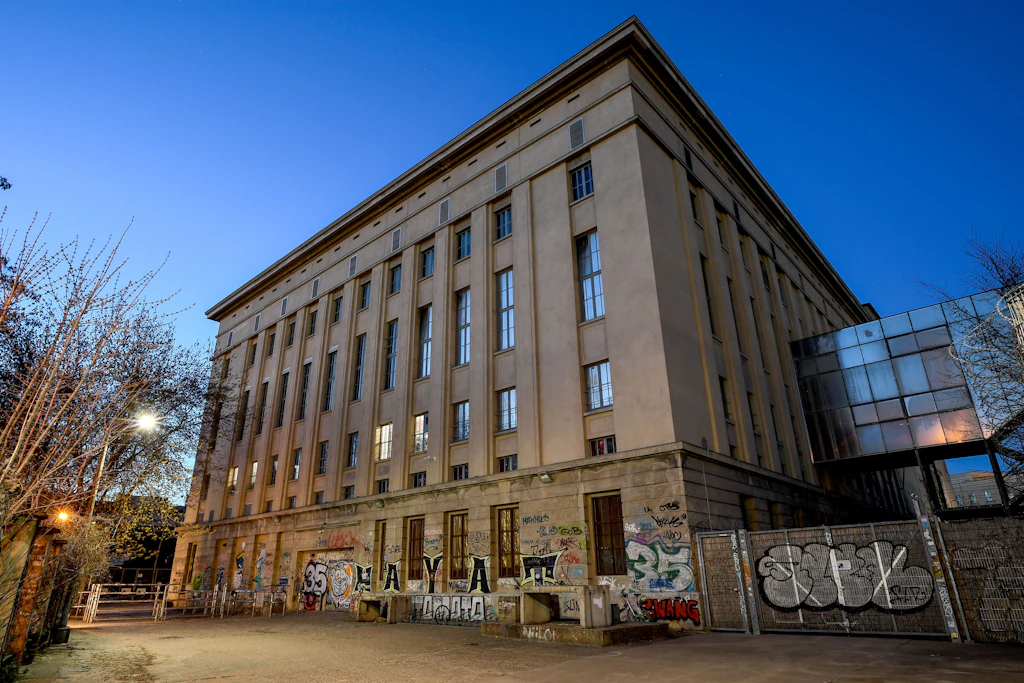
Best for: Long-form techno, a sound-led and privacy-conscious environment, and dance-floor culture that unfolds over hours. Type: Multi-room electronic club; Berghain’s main room is the techno-focused reference. Location: Am Wriezener Bahnhof, 10243 Berlin, Germany.
Berghain is famous enough that it can be difficult to talk about the club without repeating anecdotes about its door. The stronger reason to include it is musical: extended DJ sets, residents who can shape a room over many hours, and an institution that continues to distinguish the Berghain floor from Panorama Bar and Säule. Those rooms are not independent venue identities; they are different components of a larger programme with different sounds and environments.
The club’s own November 2026 programme is a better guide than nightlife mythology. The 28 November Klubnacht lists Aöcram, Denise Rabe, Ignez, Kwartz, Mari Sakurai and others for Berghain, with a separate Panorama Bar roster including Mike Servito and Ketiov. On 27 November, Love on the Rocks is a Panorama Bar programme, not a promise that the main Berghain techno floor runs identically. These differences matter when choosing a trip or deciding which artists to hear.
There is no reliable clothing formula for entry, and a ticket or a long queue does not guarantee access. Respect the strict privacy expectations inside; the photograph below deliberately depicts the exterior rather than pretending an unapproved camera image came from a current dance floor. For more local context, see our Berlin techno club guide.
2. Tresor, Berlin: The Detroit connection remains a live programme
Best for: Techno’s history as a continuing conversation between musicians, labels and cities. Type: Multi-room club, record label and associated cultural institution. Location: Köpenicker Straße 70, 10179 Berlin, Germany.
Tresor should not be reduced to “another historic Berlin bunker”. Its significance lies in the contact between Detroit’s Black electronic-music innovators and Berlin’s post-reunification club movement. The venue’s own history explicitly presents that relationship as a lasting exchange among cities, generations and musicians. The 313–030 programming series is an especially clear example of this dialogue being carried forward through actual events rather than only museum-style nostalgia.
The present club is located in the former power station at Köpenicker Straße, not Tresor’s demolished 1990s site on Leipziger Straße. The current experience also includes the separate musical environment of Globus and Aurora Bar. Its 21 November 2026 Tresor x RA25 event used multiple rooms; the official club calendar continues into December. The concrete architecture matters, but what truly distinguishes a night is the particular label, resident or guest programme.
Tresor’s guest information prohibits filming and photography inside. Do not assume published architectural or press images override that rule for visitors. The image here is a credited commissioned photograph of the Globus bar area, not an authorised snapshot of a current set or the original Tresor vault.

3. Bassiani, Tbilisi: The club, the community and the music
Best for: Immersive main-floor techno and understanding a club culture closely connected to wider civic questions. Type: Dedicated techno/electronic club with a distinct Horoom programme. Location: 2 Akaki Tsereteli Avenue, below Dinamo Arena, Tbilisi, Georgia.
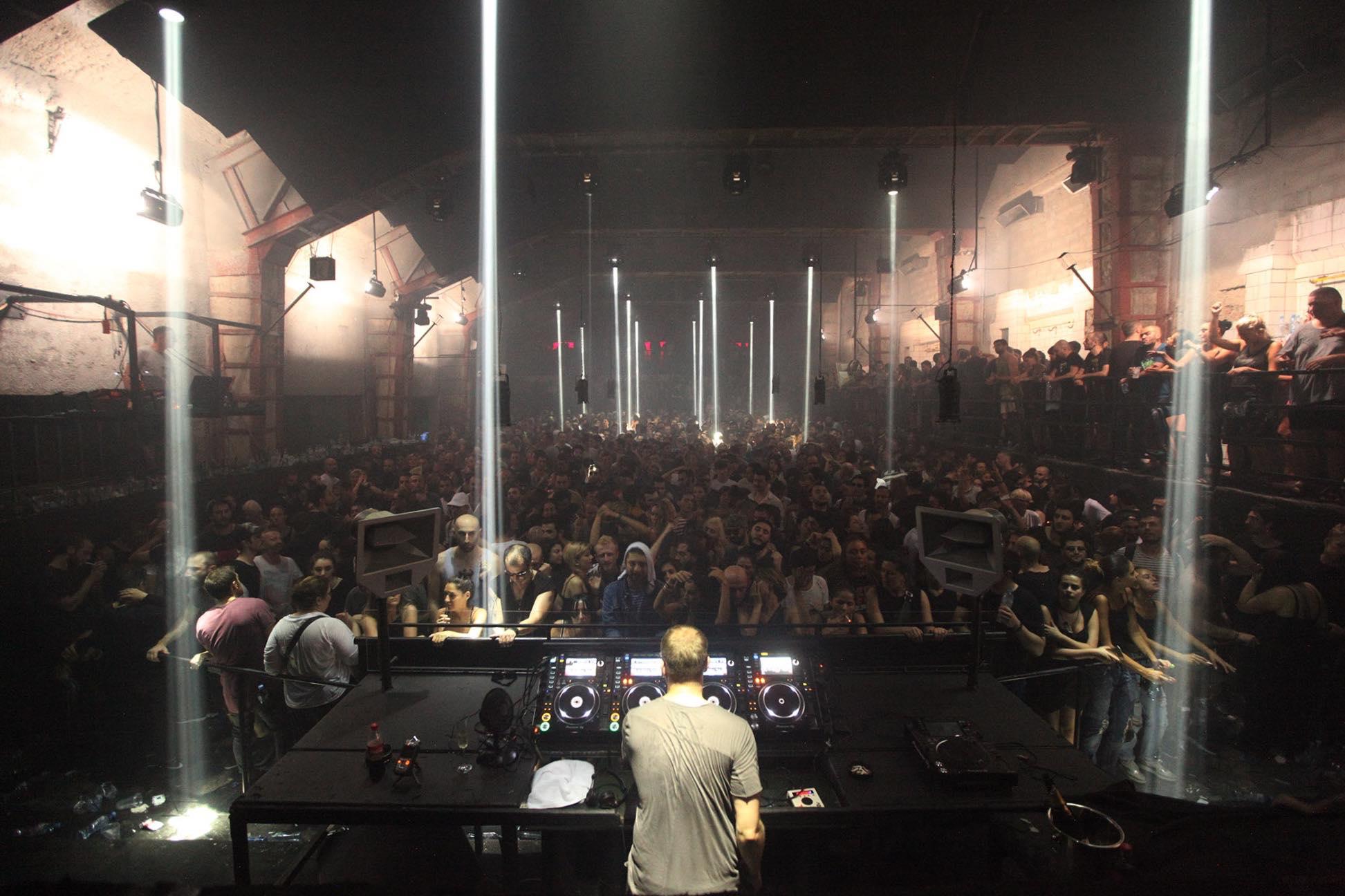
Bassiani’s stadium-underworld setting is visually memorable, but its value is not just the former swimming pool beneath Dinamo Arena. It is a place sustained by Georgian DJs, residents, cultural workers and a committed audience. Its long sets and the separate Horoom identity have helped put Tbilisi on the wider electronic-music map without turning every event into one uniform techno experience.
Crucially, there is fresh evidence of current operation. Bassiani’s official programme advertises the 27 November 2026 Delsin 30th-anniversary event, with HVL, nthng, STERAC, Tasha and others. The label’s relationship with deep techno makes that a much stronger reason to attend than simply ticking a famous name off a list. Horoom has separate dates and artists, so confirm what your ticket actually covers.
In May 2018, raids at Bassiani and Café Gallery triggered public protests around policing and civil liberties. This history deserves respect, not tourist sensationalism. Read the primary reporting and our Tbilisi guide for the closures and room changes affecting the city in 2026. Photo evidence below is archival and should not be taken as permission to film inside the club.
4. KHIDI, Tbilisi: An independent identity below the bridge
Best for: Driving, darker and experimental techno with significant Georgian representation. Type: Techno/electronic club with KHIDI main floor, G2 and occasional HAERI programming. Location: Right embankment beneath Vakhushti Bagrationi Bridge, Tbilisi, Georgia.
KHIDI means “bridge” in Georgian, an unusually literal venue name for the industrial location below Vakhushti Bagrationi Bridge. It opened in 2016 and celebrated ten years in 2026. The venue’s identity is not simply an alternative to Bassiani: it supports a different mix of Georgian residents, dark electronic acts and international techno guests, while its rooms have their own approaches. G2 and the outdoor HAERI area are not separate companies or club addresses.
The 4 December 2026 programme includes CRAVO, P.E.A.R.L and Boyd Schidt, showing that KHIDI continues to develop active bills beyond one anniversary event. Earlier November shows used several of its spaces, and the official website is the right place to check what is happening at the particular floor or event.
KHIDI also publishes detailed house rules: no photographs, respect for privacy, anti-harassment commitments and entry expectations. These are part of the event’s conditions, not barriers to be gamed. A visitor interested in the style of the club should also be interested in how the space asks people to treat one another.

5. BASEMENT, New York City: A deliberately techno-focused space
Best for: A dedicated techno room in New York and a privacy-first dance-floor environment. Type: Two-room electronic club beneath Knockdown Center; the main BASEMENT space is techno-centred. Location: 52-19 Flushing Avenue, Maspeth, Queens, New York 11378, United States.
BASEMENT opened in 2019 beneath the larger Knockdown Center complex and became an identifiable home for committed techno programming rather than simply an occasional warehouse-rave address. It is not in Manhattan and should not be routed to the main Knockdown Center entrance without checking the venue’s current information. The smaller STUDIO area can follow its own musical direction, which is another reason to check a whole bill, not just the headline club name.
Its 20 November 2026 event included a Lady Starlight live set and confirms late-2026 programme activity; the official site has dated upcoming events beyond that. The venue’s visual identity is deliberately restrained, but the stronger proof of its relevance is the ongoing relationship with techno artists and residents. Its own admission and age requirements take precedence over older travel tips.
The club’s no-photo/no-video policy was expanded in August 2026 to restrict smart glasses capable of recording. DJ Mag reported the change as a privacy measure rather than an aesthetic rule. The photo shown below is a published sound-installation and interior feature, not a visitor’s unapproved 2026 image. Our New York guide compares BASEMENT with the city’s broader electronic venues.

6. FOLD, London: Long-form parties and room culture
Best for: Extended techno sessions, experimental programmes and parties shaped by community collectives. Type: Artist-led electronic club and event venue. Location: Gillian House, Stephenson Street, Canning Town, London E16 4SA, United Kingdom.
FOLD represents a contemporary London approach to long-form clubbing outside the city’s better-known central nightlife areas. The institution is known for UNFOLD sessions and for programming communities that move through deep, hypnotic, hard, experimental and leftfield dance music. That does not mean every FOLD event is hard techno: it regularly hosts electro, house, breakbeat and other styles across different parties and rooms.
The official ticket calendar was advertising UNFOLD CXXXV on 22 November 2026; a 7 November Transmissions x Midgar event included Wata Igarashi, Konduku and Polygonia, while FOLD x Mala Junta on 14 November brought a different, queer-linked programme. The late-November Tech Couture event lists a 24-hour format featuring Ben Sims and other names; it should be checked on the official ticket channel for current availability.
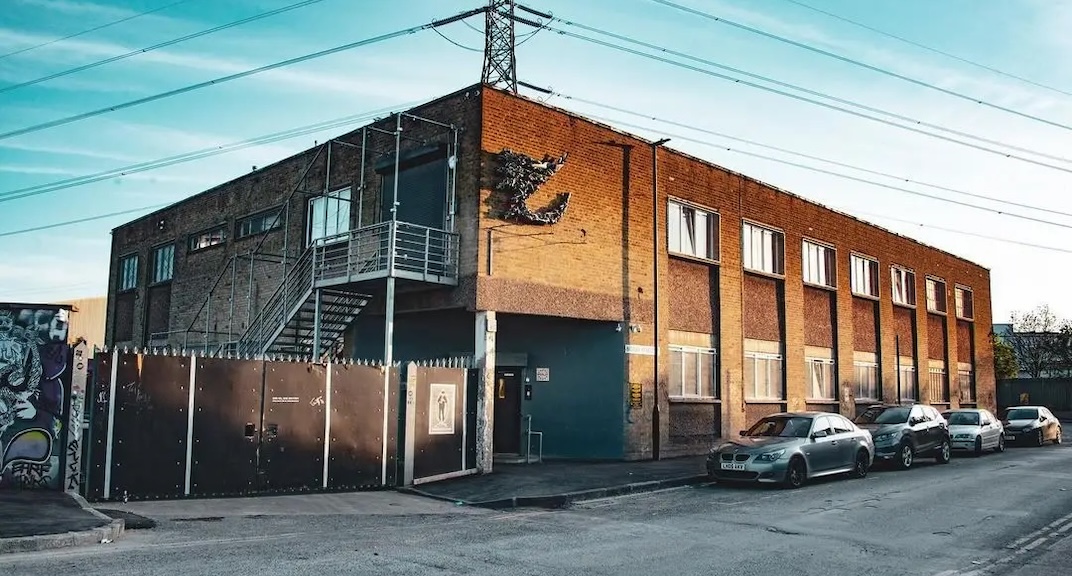
That event diversity is the reason FOLD belongs here rather than a generic “Britain’s Berghain” comparison. Its use of extended formats and collaboration gives London’s residents and guest collectives room to build an identity. Some nights have age restrictions and no-photography policies; the Transmissions event’s entry guidance specifically described 21+ and physical ID. Do not generalise one event’s terms to every club night. The image below is an archival exterior photo, so visitors can understand the location without showing a current private dance floor.
7. WOMB, Tokyo: An electronic institution with a techno spine
Best for: Major Japanese and international guests, a vertically organised club and the breadth of Tokyo’s dance-music programming. Type: Multi-floor electronic venue, not techno-exclusive. Location: 2-16 Maruyamachō, Shibuya, Tokyo 150-0044, Japan.
WOMB opened in 2000 and is a long-running part of Tokyo’s electronic culture, with a central main floor and distinct spaces above and around it. Its stature does not come from maintaining one narrow genre policy; the programme has continuously mixed techno, house, progressive, drum & bass and other forms of electronic music. That makes the particular date and room especially important for somebody seeking harder underground sounds.
Its current official calendar shows exactly what that variety looks like. 28 November 2026 features SO FAR with DJ DEXTRO, RISA TANIGUCHI and other DJs. The club’s early-December programme lists a KEN ISHII/SATOSHI TOMIIE date, Red Axes and a NINA KRAVIZ event on different nights. A single one of those names is not a guarantee about all floors or previous weeks, but together they are strong evidence of an active and internationally connected venue.
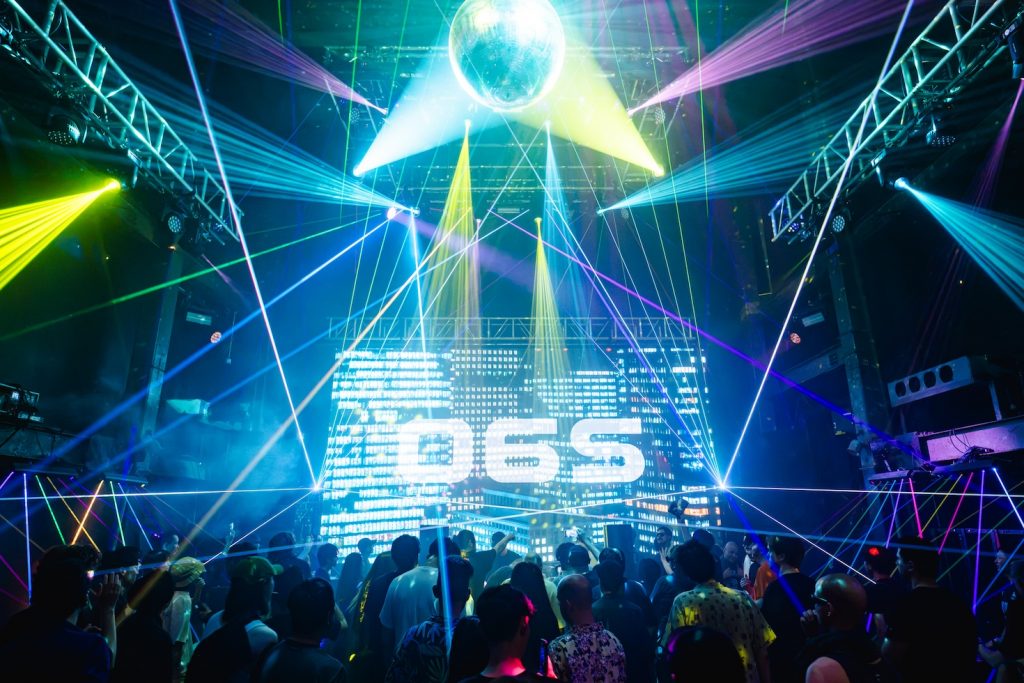
WOMB deserves a place because it is not merely another stop for touring DJs. Long-running local party traditions, the 06S drum-and-bass lineage and Japanese electronic artists provide the local context behind its global name. Visit for a musically matched event rather than for an abstract top-club score. Our Tokyo venue guide covers smaller, more specialised alternatives when WOMB is not the right fit.
8. Sub Club Melbourne: Independent techno on a smaller scale
Best for: A community-centred basement room, underground selectors and smaller events that prioritise sound over spectacle. Type: Independent underground electronic club, not exclusively techno. Location: Flinders Court, 35 Elizabeth Street, Melbourne CBD, Victoria, Australia.
Sub Club demonstrates why capacity is a poor proxy for cultural relevance. The venue’s own history positions it between art and nightclub, supporting local subcultures and inclusive clubbing. Its Cat House and other event brands can bring a more techno-driven approach, while a separate date may favour breaks, house, electro or other music. Knowing the event is essential to choosing the right experience.
The venue’s official events page directs visitors to its live event channel, and its early-November 2026 programme included an Escape Naarm-associated techno presence. It is an active Melbourne institution, but we have avoided inventing a specific 28 November lineup where the club’s own site did not clearly display one in plain text. Check the linked event and ticket source for the date you are considering.
Important location correction: Sub Club has not been relocated to Collingwood. Its CBD location remains 35 Elizabeth Street / Flinders Court. Confusion arose in earlier guides by mixing it up with New Guernica’s 2021 move. Preserving the right address is more useful than an inflated ranking. Read our Melbourne guide for that and other venue distinctions.

9. Marble Bar, Detroit: Techno’s birthplace is still a living scene
Best for: Discovering present-day Detroit electronic culture, with techno and house alongside a broader programme. Type: Music-led bar and dance venue; not a techno-exclusive club. Location: 1501 Holden Street, Detroit, Michigan 48208, United States.
Detroit belongs in any serious global techno conversation because of the music’s Black creative foundations, not because one current venue can stand in for an entire city. Juan Atkins, Derrick May, Kevin Saunderson and many others helped establish an electronic language through records, local radio, clubs and community, long before today’s worldwide nightlife destinations existed. Marble Bar is one contemporary way to hear the city’s dance-music culture in action, but it is not the origin point of the genre or the only important address.
Its official site was listing 6 November 2026 programming including an EvilGroove Records showcase with Lindsey Herbert and BRALLE. The venue supports both local and touring acts, and its music moves between house, techno and other dance forms. For a visitor, that variety can be a strength when the roster contains artists you actually want to hear.
There is another crucial 2026 correction: the widely recommended Detroit venues Spot Lite and UFO Bar closed at the end of June. A global guide that still lists them as operating clubs is out of date. Their histories matter, but the next practical step is to check active lineups at Marble Bar, TV Lounge, SPKRBOX and smaller promoter nights. Our Detroit guide gives the fuller historical and neighbourhood context.
10. D-EDGE, São Paulo: A Brazilian electronic-music landmark
Best for: São Paulo’s electronic-music history, house-to-techno club programmes and a distinctive approach to lighting and space. Type: Multi-room electronic club; varied house, techno and related styles. Location: Avenida Mário de Andrade 141, Barra Funda, São Paulo, SP 01156-001, Brazil.
D-EDGE gives this list an essential South American perspective. The São Paulo club became known for a strong local and international dance-music calendar, carefully developed lighting design and an ongoing relationship with Brazilian artists. Its own club history discusses both the architectural environment and the music. It should not be presented as an exotic copy of a European club: São Paulo has its own long dance-music and nightlife traditions, and D-EDGE sits inside that history.
The 26 November 2026 MOVING showcase advertises local performers EHLLA, Cesar Nardini, Jay Mariani and Beatric. Its late-month programme also includes FREAK CHIC and NAVE party brands, which can have different musical emphases. That is proof of current activity, not a promise of pounding techno every weekend. The club’s São Paulo site is distinct from the later D-EDGE Rio operation, and those identities must not be merged in a directory.
Its official contact details list Mário de Andrade 141 in Barra Funda, which is the address to use rather than a loose São Paulo venue search result. Check the exact party ticket, room layout and conduct rules. The venue requires responsible behaviour and some event organisers publish separate terms. We have not invented a capacity, guaranteed sound-system specification or cover price for this edition.

11. Mondo Disko, Madrid: A club identity with a shared venue
Best for: Long-running techno and house programming, international guests and a centrally located Madrid electronic night. Type: Promoted club-night institution currently hosted at Club Cocó. Location: Calle Alcalá 20, 28014 Madrid, Spain.
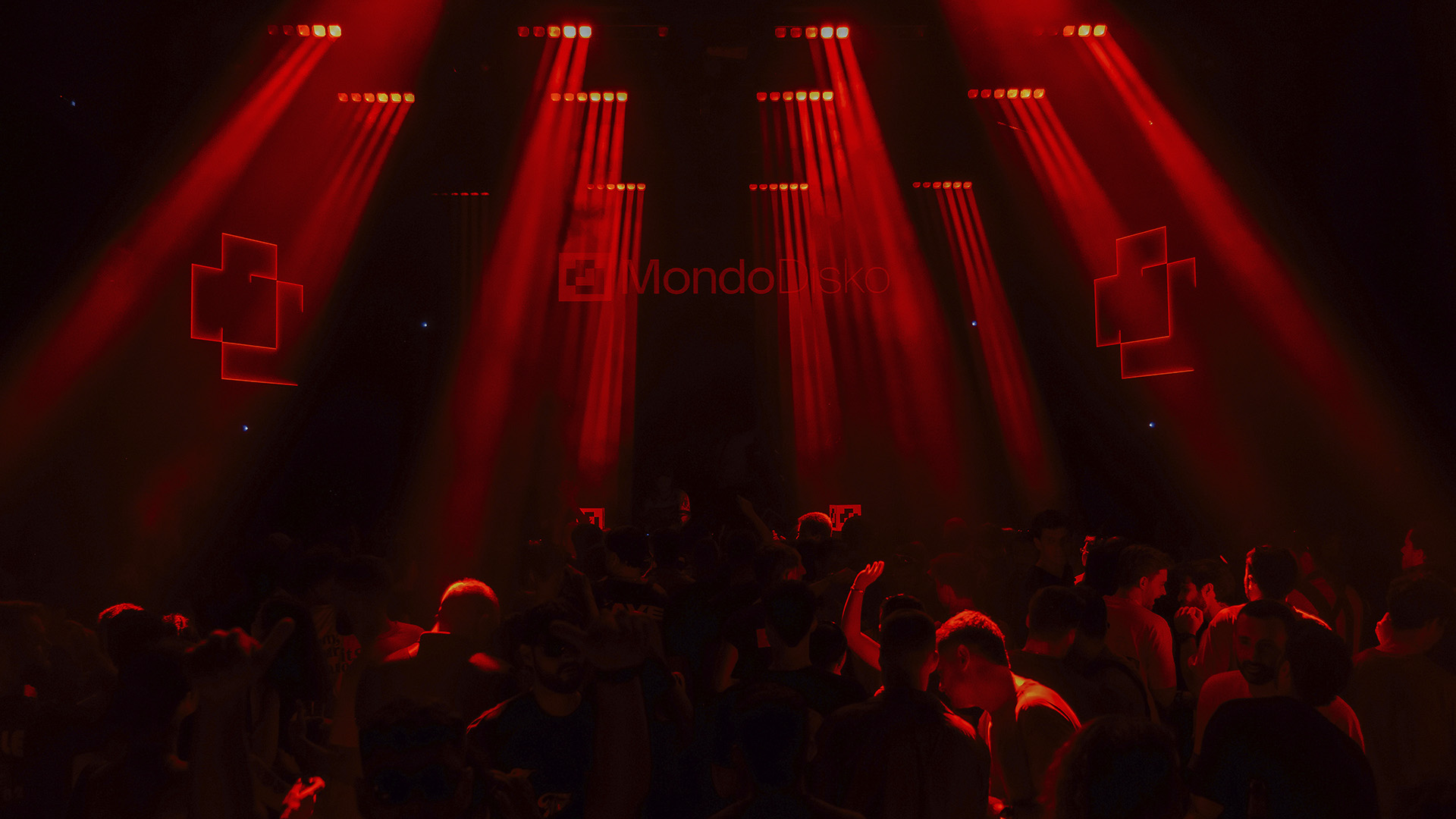
Mondo Disko is frequently described as a club, and its programme deserves a place in any account of Madrid dance-music culture. But the physical detail is important: Mondo’s official site identifies Club Cocó as the operating venue at Calle Alcalá 20. Mondo is an enduring musical identity and party programme at those premises, not evidence that two independently operated physical nightclubs occupy two separate addresses. The municipal Cocó listing likewise confirms Mondo sessions there.
Its 26 November programme lists Sam Alfred, The Trip, Gerardo Niva and DocCudder; the December calendar includes John Talabot, Gerardo Niva and DJ Swisherman. These artists do not all represent a single unchanging form of techno. Some dates will focus on house or looser club sounds, and a visitor should not assume every Thursday or Saturday follows the same energy.
The significance comes from sustained curation and a recognisable local community, not from owning a mythic warehouse structure. If you want pure harder techno in Madrid, investigate the city-specific alternatives on the relevant weekend. If you are seeking a long-running electronic party with serious selectors, Mondo may fit better. For local comparisons, use our Madrid club guide.
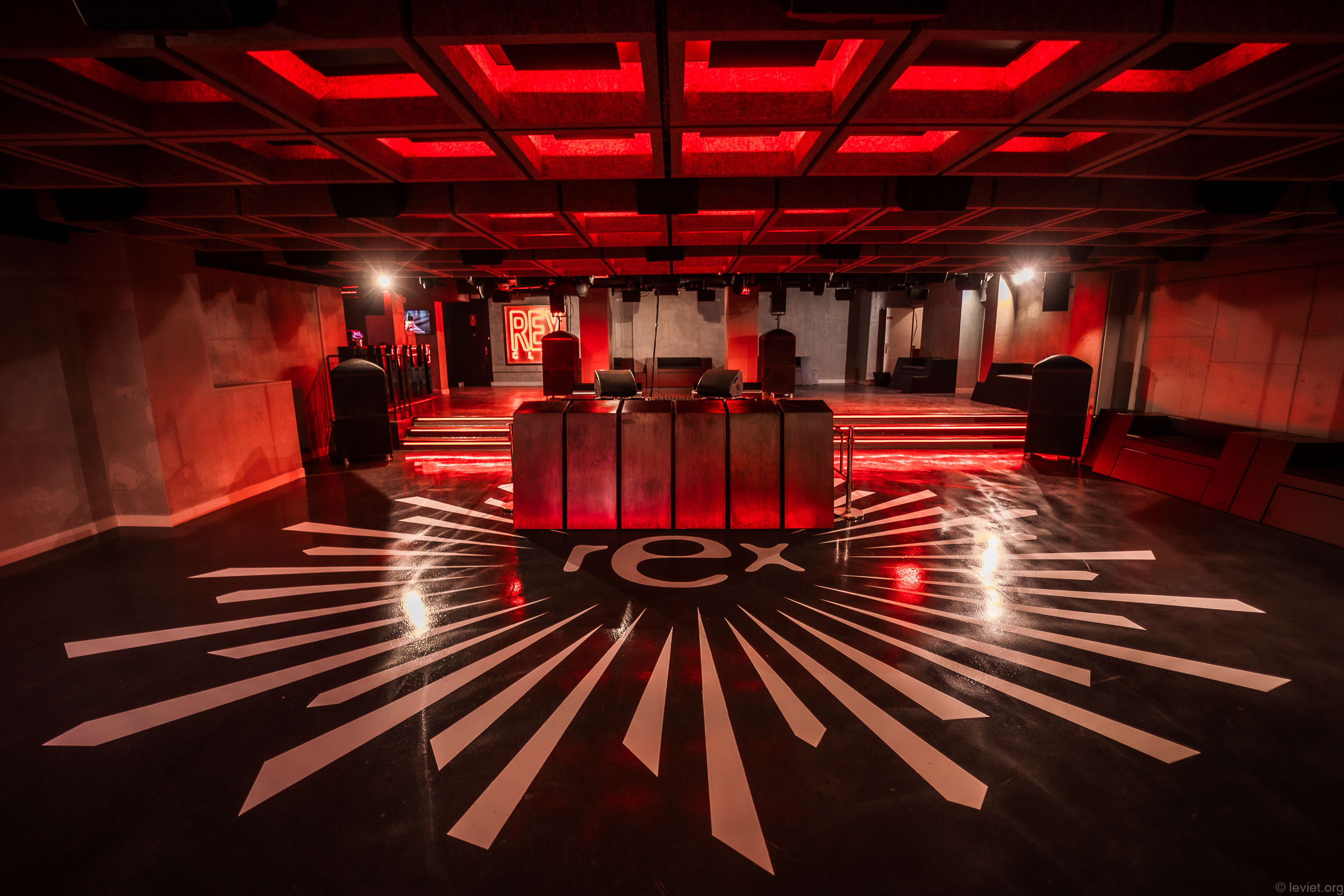
12. Rex Club, Paris: French techno and house history, still in motion
Best for: France’s deep techno/house lineage, a dedicated electronic-music room and a calendar built around DJs rather than spectacle. Type: Established electronic club, with varied house/techno programming. Location: 5 Boulevard Poissonnière, 75002 Paris, France.
Rex Club is a historical reference point for Parisian electronic music, located below the Grand Rex cinema complex. The club’s own history chronicles its development through electronic music, and the city tourism site documents its continuing place in Paris nightlife. The venue combines a substantial history with an operating current programme; it is not an archive that survived only through old photographs.
One current detail is especially worth checking: Paris tourism reported that Laurent Garnier announced he would take over the club’s management from September 2026. We attribute that to the announcing source rather than stating a management transfer as proven complete by independent company records. Meanwhile, actual November club listings include MRD, Hunee, Antal and other artists with contrasting approaches, as shown in the Rex Club ticket listings. Those lineups demonstrate the breadth of current house and techno at the venue.
The room’s influence is not measured by the ability to claim it plays techno every night. There is value in a committed electronic space that has supported French and international DJs for decades, and that can still surprise a listener with a different promoter or resident. Our Paris guide covers other venues for a narrower, harder or more experimental night.
Which club is best for your kind of techno?
The sound and the event should determine the destination. These are practical starting points, not promises about every set or floor:
- Hypnotic or deeper main-room techno: Compare Berghain’s actual main-floor bill with the relevant Bassiani and KHIDI events. Tresor’s label nights also connect deep and classic approaches.
- Contemporary, harder or experimental techno: BASEMENT, FOLD and KHIDI each feature strong current options, but check whether the specific event is hard, industrial, acid, EBM or something else.
- Detroit history and current Black electronic traditions: Read the artists and labels behind Tresor’s 313–030 nights and spend time with Detroit’s present-day local lineups. Marble Bar alone cannot represent an entire city.
- Small-room community and local selectors: Sub Club Melbourne and a strong resident-led Mondo Disko date can be more rewarding than the largest international headline.
- House-to-techno breadth: WOMB, D-EDGE and Rex Club are substantial electronic institutions whose current calendars may be more diverse than their inclusion in a techno guide implies.
Changes and closures a 2026 list must not ignore
The White Hotel, Manchester: Its current operators announced a final autumn programme and a closure around January 2027, with the building expected to reopen under new management as BASTION. The White Hotel is still historically vital and had active 2026 bookings, but we have not described it as an unchanged long-term club that a traveller can plan around throughout 2027. BASTION’s future operator identity must not be silently merged with The White Hotel. The Quietus September 2026 report explains the transition.
Rote Sonne, Munich: Still active, with its official calendar showing a 24-hour Ritual I event on 28 November. Its omission from the main twelve is a choice about international balance, not a closure. By contrast, BLITZ’s Museumsinsel run ended in August 2026, and outdated global lists should not route travellers there without a successor venue confirmation. See the Munich guide.
Tbilisi’s TES and Mtkvarze: TES ended its previous venue at the end of January 2026; Mtkvarze announced that its long-standing building was sold in October. A future party or new operator would require verification before being counted as a continuation at a new address. Detroit’s Spot Lite and UFO Bar closed in June 2026. Their contributions remain part of the cities’ histories, but not a ticket recommendation for a present-day night.
Before travelling: Tickets, rules and getting home
Tickets are not a universal guarantee of entry. Clubs have different door, registration, age and security rules. A condition on one night at FOLD or BASEMENT does not automatically apply to another. Always use the official venue or authorised event seller. Plan your route to the specific club entrance, not a nearby arena, concert hall or event brand with a similar name.
Photography is not a neutral assumption. Berghain, Tresor, KHIDI and BASEMENT are among the clubs with strict restrictions on filming or photographing attendees. A published, credited editorial photograph is not a visitor’s licence to use a camera inside. In some places, even recording-capable glasses are prohibited. Respect privacy and consent as part of the music culture, not as a travel inconvenience.
Read the actual bill and building layout. Panorama Bar is not Berghain’s main room, Horoom is not a second Bassiani company, G2 is not an independently located KHIDI, STUDIO can differ from BASEMENT’s techno floor, and Mondo Disko’s party programme is hosted at Club Cocó. Inconsistent map pins and generic club rankings are frequent sources of avoidable mistakes.
Plan a safe return. Many of these venues operate outside traditional tourist centres. Overnight public transport, ride availability and local laws differ substantially among cities. We do not invent universal travel times, dress codes, admission fees or opening hours for twelve different countries. Check official transport and event information on the day, carry valid identification and make arrangements with people you trust.
Frequently asked questions
What is the best techno club in the world?
There is no objective single winner. Berghain, Tresor, Bassiani, KHIDI, BASEMENT and FOLD all represent different approaches to techno culture. A great resident or label programme in a smaller local space may be better for you than a famous room with a mismatched bill.
Which venues here are closest to dedicated techno clubs?
Berghain’s main floor, Tresor’s techno-focused events, the main Bassiani and KHIDI programmes and BASEMENT are especially relevant. FOLD also hosts significant techno, but the specific collective and event decide its sound. WOMB, Marble Bar, D-EDGE, Mondo Disko, Sub Club and Rex Club are broader electronic institutions.
Are Berghain and Tresor both in the same Berlin location?
No. Berghain is at Am Wriezener Bahnhof; Tresor’s present club is at Köpenicker Straße 70. Tresor’s original historic vault was somewhere else and closed decades ago. They are separate operators, music programmes and addresses.
Are global techno club rankings reliable?
They can be good starting points if they clearly state their editorial basis and update dates. Be wary of precise rankings without disclosed criteria, articles that call mixed-genre venues “techno-only,” or lists that send readers to places known to have closed or moved.
How often is this list updated?
This edition was researched and checked on 23 November 2026. We aim to revise closures, new addresses, operator changes and material programme developments when credible sources become available. Events, door rules and pricing must always be rechecked at the time of a visit.
How we chose the 12 clubs
We considered musical programme and residents, cultural and historical contribution, a real operating venue or enduring club-night identity, current late-2026 evidence, local-scene relevance, genre honesty and geographic range. We did not claim firsthand visits that we could not verify, award invented sound-system scores or assume that one large touring DJ makes a venue an institution.
The list is selective, and no region has a monopoly on relevant techno culture. Many important dance floors across Africa, Latin America, Asia, North America and Europe are absent because we are publishing twelve researched entries rather than pretending to offer a complete map of every city’s underground. A future edition can expand where stronger verified local evidence supports a useful additional entry.
Sources and photo method: Each club section links to official calendars or venue information and to dated reporting as appropriate. The illustrative global featured cover is an original Underground Talent artwork with decorative lines and markers: it does not plot real club coordinates or verified routes. The twelve accompanying venue photographs are source-hosted, individually credited, and some explicitly archival. Embedding and republication permissions have not been independently established; credit is not a licence. Where rights are required, obtain permission or replace the photograph. No archival picture is presented as evidence of a specific 2026 party.
For detailed city-specific alternatives, browse our Underground Talent Clubs directory and the linked city guides. Our Techno Subgenres Explained article provides listening and historical context for the styles discussed here.