Updated 23 November 2026. The venue list was checked against club websites, November/December 2026 programmes and reliable reporting. This is an editorial selection, not an invented numerical ranking. Entry policies, addresses, dates and rooms can change: confirm the exact event before travelling.
For techno in Tbilisi, Bassiani and KHIDI are the clear starting points. Both have verified late-2026 programmes and their own histories, but a visitor who stops there misses the diversity of the city. Left Bank is a cross-genre community space with changing rooms. Mechanica works on a more intimate bar-and-event scale. Café Gallery has returned after refurbishment. Meteor Studio hosts a younger, hybrid programme, and Mutant Radio shows where broadcasting, local music and gathering spaces overlap. The last two are not conventional techno-only nightclubs.
Tbilisi’s reputation did not come from mimicking Berlin’s architecture or door mythology. What makes its club culture worth understanding is a living network of Georgian artists, resident DJs, independent institutions and organisers who treated electronic music as a place to make community. That history includes the mass police raids of 2018 and the protest response, but also quieter changes such as a room losing its lease, a club launching a new programme, or a record shop operating beside a dance floor. For this edition, the location of a club is as important as its name.
Tbilisi techno clubs at a glance
- Bassiani, Dinamo Arena: Large underground techno programme with the separately curated Horoom room and nights.
- KHIDI, Vakhushti Bagrationi Bridge: Intense techno and adventurous electronic bookings; its main floor, G2 and occasional open-air HAERI are different spaces.
- Left Bank, Dodo Abashidze Street: Independent community-centred club mixing house, techno, experimental selectors and performances; the former Space Two closed in January 2026.
- Mechanica Sound Club, near Saarbrücken Square: Club/bar with live gigs, bass music and electronic nights rather than exclusively techno.
- Café Gallery, Rustaveli/Griboedov: Historically influential café-gallery turned club-night space, with a documented September 2026 reopening.
- Meteor Studio, Kosta Khetagurov Street: Event-led art and music venue; live, radio collaborations and open decks coexist with club programming.
- Mutant Radio, Uznadze area: Independent radio and cultural space, not a dedicated techno nightclub; check the address of each offsite event.
Where to hear techno and electronic music in Tbilisi
1. Bassiani: The institution beneath Dinamo Arena
Best for: A full-scale techno night, carefully curated long-form sets and exploring the city’s internationally visible club culture. Area: Didube, at Dinamo Arena. Classification: Dedicated electronic/techno club with multiple programmes.
Bassiani was built into a space beneath the city’s football stadium, with a former swimming pool providing the architecture for its main dance floor. That much-repeated image is real, but the more useful detail for a visitor is how the different Bassiani nights are programmed. The main room is associated with powerful techno and extended sets; Horoom has its own identity and can move into house, leftfield, electro or other forms of electronic music. Horoom is not a separate business at a second street address. Check the individual ticket to see which spaces are opening.
The current calendar backs up the club’s status far better than outdated travel guides. Bassiani’s official calendar advertises a Delsin Records 30th anniversary programme on Friday 27 November 2026, including HVL, nthng, STERAC, Tasha, Amir and others; the following Saturday includes a Horoom programme with Roman Flügel among the announced artists. For a listener, that is a meaningful difference: the Delsin bill connects Georgia’s scene with deep Dutch techno history rather than a generic influencer-facing festival brand. Confirm the actual line-up, room and ticket details on Bassiani’s site before visiting.
The club’s politics are also part of the context. On 12 May 2018, police raided Bassiani and Café Gallery. That action sparked large protests in Tbilisi, including dance demonstrations near Parliament. Contemporary reporting by RFE/RL and an assessment by the Georgian Young Lawyers’ Association document what happened. The response should not be reduced to the slogan of a fashionable “rave revolution”: it involved serious disputes over policing, civil rights and the place of youth culture in Georgian public life.
Location: Akaki Tsereteli Avenue 2, below Dinamo Arena, Tbilisi, Georgia. Official programme: Bassiani events and tickets. Registration, booking, access decisions and photography rules should be checked directly, rather than inferring guaranteed entry from an online ticket or adopting rumours about what to wear.
2. KHIDI: Industrial energy under the bridge
Best for: Harder-edged techno, industrial and EBM-leaning artists, and hearing local residents alongside international guests. Area: Right bank of the Mtkvari beneath Vakhushti Bagrationi Bridge. Classification: Dedicated techno/electronic club.
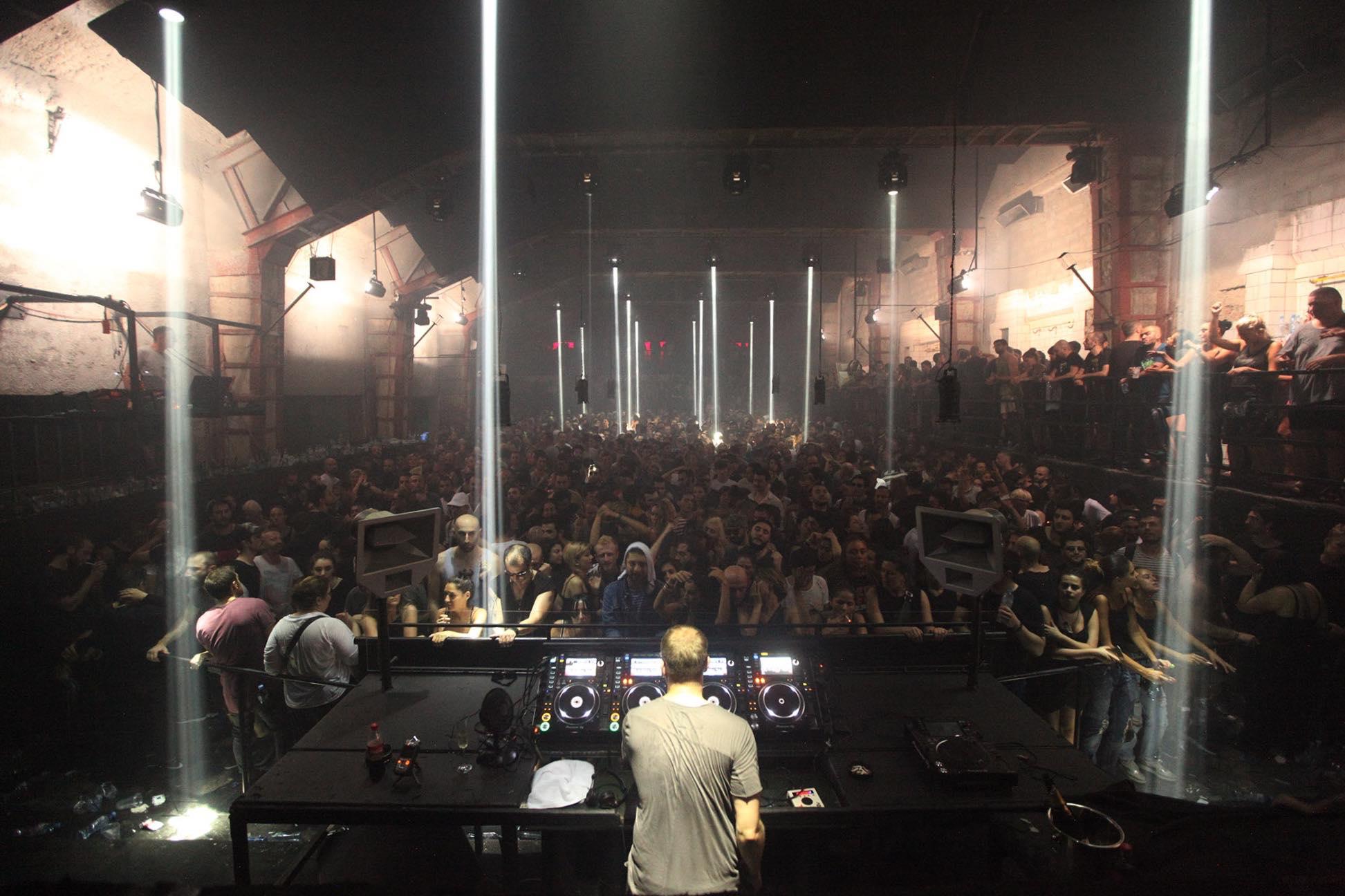
KHIDI means “bridge” in Georgian, and its position under the Vakhushti Bagrationi Bridge gives the name real geographical meaning. The venue began operating in 2016 and marked its tenth anniversary in June 2026. The club’s own anniversary programme described three distinct stages: its central KHIDI space, G2 and the open-air HAERI area. Those are a single organisation with different programming options, not three independent clubs to add to a rankings list.
Its November and December calendar shows a real techno centre of gravity. KHIDI’s 20 November BITE showcase included Phase Fatale and a broader dark-electronic selection, while the 4 December programme lists CRAVO, P.E.A.R.L, Boyd Schidt and other artists. Do not treat that as evidence that every room always plays the same BPM or that the sound is permanently industrial; G2 can follow a different approach on some dates. Anyone deciding between the main room and G2 should look for the full stage-by-stage bill.
KHIDI has a particularly useful published house-rules page. Its anti-harassment and anti-discrimination rules are explicit, the club asks guests not to photograph inside, and it notes that phones should be put away on the dance floor. It also explains that bag or security searches can be part of admission. Read these rules as an expression of the room’s culture, not as travel trivia or instructions for bypassing the door. The club even warns that some lighting may pose risks to people with seizure sensitivity.
Location: Right embankment of the Mtkvari, below Vakhushti Bagrationi Bridge, Tbilisi, Georgia. Use the official KHIDI contact and directions or the specific event location rather than a guessed numbered street entrance. Tickets and events: KHIDI official site. Do not promise admission, availability or fixed pricing across nights.

3. Left Bank: A club, community hub and changing physical space
Best for: Creative local line-ups, cross-genre sets, more intimate spaces and a community-centred approach to nightlife. Area: Dodo Abashidze Street, riverbank. Classification: Independent club and multi-purpose cultural space.
Left Bank is exactly the kind of venue a conventional tourist “best techno club” list gets wrong if it treats every room as frozen in time. Its official About page describes a space built by artists, DJs and partygoers, with club nights, performances, a social component and outdoor programming. But one crucial part of that description is no longer fully current: Space Two stopped operating at the end of January 2026, after land behind the venue changed ownership. The team told Resident Advisor on 20 January 2026 that Space One and the outdoor component would remain and a neighbouring former car-wash area was being developed. We should not guide readers to the former Space Two room or advertise its historical configuration as guaranteed in November.
There is solid evidence of ongoing programme activity. At the 13 November Left Bank Clubnight, organisers described Space One Selector Picks alongside an outdoor programme, and the 21 November Free Saturday included a Garage Records takeover and several different artist approaches. Some Left Bank nights lean toward house, disco, acid, bass or leftfield selections rather than straight techno. That musical breadth is part of the identity, not a reason to inflate the club into a hard-techno destination.
Left Bank also extends beyond clubbing. Resident Advisor reported in 2023 on its community hub, record shop, bookshop and daytime uses, which offers a more accurate picture of the institution than a single photograph of a dark room. If you are building a Tbilisi itinerary around independent music rather than international names alone, this is the kind of local platform worth researching.
Address: Dodo Abashidze Street 10, Tbilisi, Georgia, as published by the venue. Check: Left Bank official and November event listing. Its house rules prohibit photography in club areas and phones on the dance floor; the official page should take priority over casual social-media advice.
4. Mechanica Sound Club: An intimate mixed-format venue near Saarbrücken Square
Best for: Smaller nights, DJs sharing a programme with live performances, bass and electronic music outside the main techno institutions. Area: Dimitri Uznadze Street, near Saarbrücken Square. Classification: Bar, live-music and DJ venue, not a strictly techno-only club.
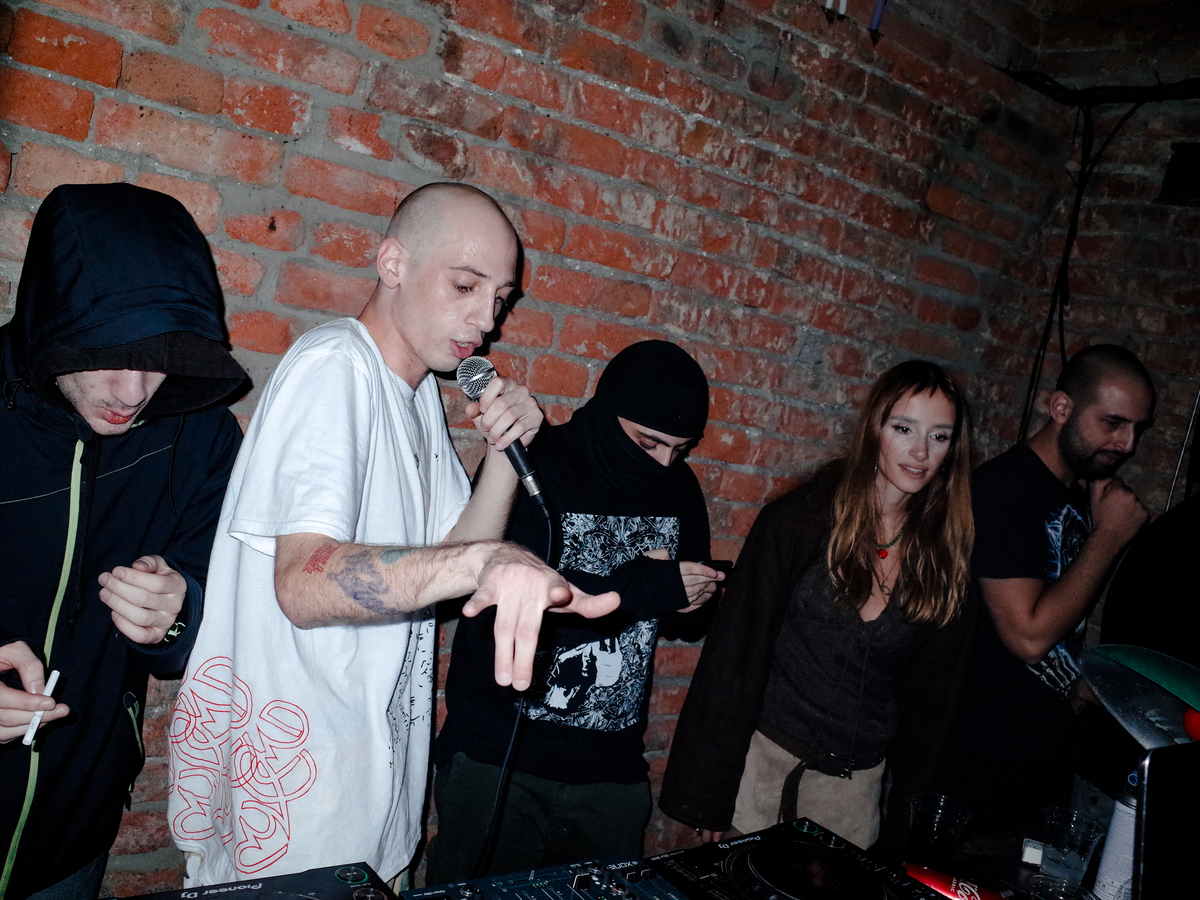
Mechanica is useful precisely because it sits at another scale from Bassiani and KHIDI. Its events combine club sets with live music and bar culture. The current Resident Advisor venue profile places it at 9 Dimitri Uznadze Street and names a 27 November 2026 Secrets of the Third Planet date; the specific event page independently matches that venue and date. The organiser’s own channel is linked on its local venue listing, giving visitors a better route for last-minute changes.
It would be misleading to use an older single techno event to promise a regular underground-techno soundtrack. Venue listings describe live sets and bar nights alongside electronic music, while some audience reports mention rock performances. That can be a positive if your goal is to meet a smaller music community or find a non-standard event, but it is not automatically the right destination for someone looking for a relentless main-room techno marathon.
There is a practical source conflict worth addressing openly: most current event and venue listings give No. 9 Dimitri Uznadze Street, while one directory lists No. 7. For this guide we follow the current event listing for No. 9, but ask visitors to check the map attached to their ticket and look for the entrance beneath the Saarbrücken Bridge area rather than relying on an older street number.
Address: 9 Dimitri Uznadze Street, Tbilisi, Georgia (event-confirmed; other directories differ). Check: the venue’s published Instagram and 27 November programme. The precise style and setup are event-dependent.
5. Café Gallery: The older scene’s meeting point, back after refurbishment
Best for: Tbilisi electronic-music history, a smaller café-gallery/club identity and nights selected by local promoters. Area: Rustaveli Avenue / Griboedov Street. Classification: Café, gallery and club-night space with an event-dependent music policy.
Café Gallery has a different place in Tbilisi’s history from the cavernous stadium and bridge clubs. Its role across café, art and music culture helped create opportunities for Georgian selectors and DJs before international club tourism became a major part of the city’s reputation. The name also matters because it was the other nightclub targeted alongside Bassiani in the May 2018 police raids. That relationship appears in Civil Georgia’s contemporary coverage and the later assessments of the operation.
There is a meaningful 2026 correction here as well: an event calendar records a preview night on 4 September 2026 in advance of the refurbished club’s reopening. It names Oniani, Pino, Giorgi Devadze and Vakta, while later venue programme listings include October and November club nights, such as a 20 November bill. That gives much better evidence of its current activity than a decade-old tourist page that describes the original room. The setup may have changed after renovation, so the archive image below is labelled accordingly.
Musically, Café Gallery’s programme can be broader and more intimate than a hard-techno institution’s main hall. It is a good way to examine the scene’s continuity, but not a promise of techno on a random weekday. Read the artist and organiser for the date you want, and remember that the close interaction of café and club uses makes access policies different from one-off underground warehouses.
Location: Rustaveli Avenue 48, at or near Alexander Griboedov Street (some programmes use the Griboedov Street entrance number 34/48), Tbilisi, Georgia. Confirm the correct entrance from the event map. Check: Café Gallery public channel, reopening announcement and recent event listing.
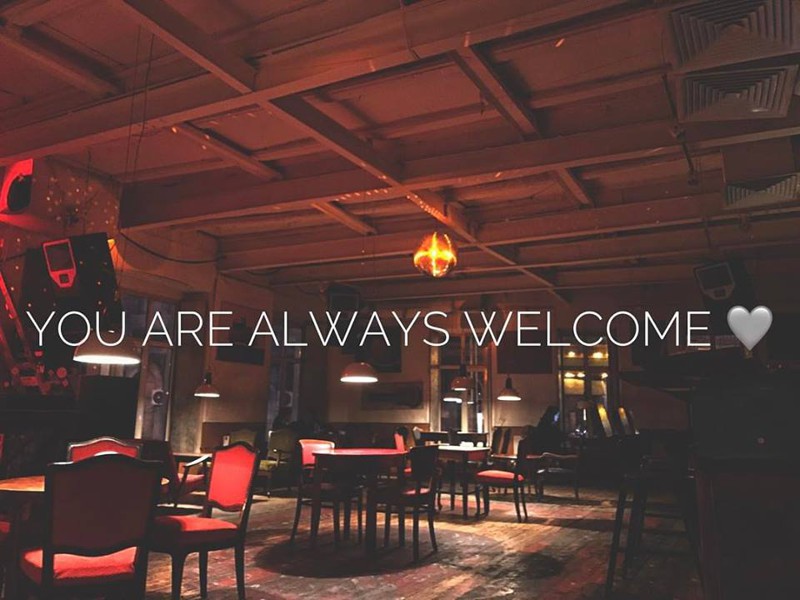
6. Meteor Studio: A cross-disciplinary place for current underground nights
Best for: Discovering newer event formats, community-driven DJs, live combinations and local art/music collaboration. Area: Kosta Khetagurov Street. Classification: Multi-purpose event and creative space, not an exclusively techno nightclub.
Meteor Studio is a worthwhile addition to a city guide that aims to be useful beyond the most photographed clubs. Its current programme shows DJs alongside exhibition, fashion, radio and live-event formats. This matters for visitors who want to find what local producers and organisers are doing now, rather than only purchase a ticket for a large international guest.
There is dated evidence of continuous programming: Syndrom x Meteor Studio on 7 November, Genesis Unrated x Meteor Studio on 20 November, MTR0105 on 21 November and Sunday Open Decks on 22 November. These are distinct formats and should not be blended into a claim that the room is a dedicated techno-only club. Some nights involve a broad mix of performance, social gathering and selector-led electronic dance music.
It is tempting to turn newer venues into stories of direct succession to recently closed spaces, but that requires operator-level evidence. Meteor Studio has its own identity at its present address. A collaboration with radio artists or a party featuring former residents elsewhere does not automatically make it the legal successor of TES, or the same business under a new name. For CUE, that distinction matters when building relationships and ownership claims.
Address: Kosta Khetagurov Street 26, Tbilisi, Georgia, as shown in November 2026 RA events. Check: recent Sunday Open Decks event or the organiser’s current event channel. We could not authenticate a current venue photograph confidently enough to use one here, so there is no stock image disguised as a Meteor room.
7. Mutant Radio: Community broadcasting, selectors and cultural nights
Best for: Radio culture, independent selectors, experimental and leftfield sounds, conversations around records and Tbilisi’s wider underground community. Area: Uznadze area, with additional offsite partnerships. Classification: Community radio and cultural events space; not a permanent techno nightclub.
Mutant Radio shows why “where to go” is more interesting than a strict genre-label list. Its central activity is community broadcasting and collaboration, not a standard weekly club night with a fixed dance floor. The project also participates in concerts and larger partner events. Its public cultural profile was explored by Huck in October 2025, documenting its role amid changing political and creative conditions.
A 23–24 October Mutants Festival brought independent organisers together, while a 22 November Mutant Orgia programme involved an outdoor broadcast collaboration at Tbili Orgia. That second event was hosted at a different location. Treat Mutant Radio as the participating platform, not as proof that every event credited to it happens at its normal studio address. An event poster may name a broadcaster, partner and physical host, all of which need separate profiles in a music directory.
If you mainly want big-room techno, pick Bassiani or KHIDI. If you want to hear local electronic thinking outside a conventional club, follow Mutant’s programme. Community radio is also a practical route to discovering artists whose sets, labels and small gatherings might never appear on a top-ten club list. In that sense, it belongs to this guide without being misrepresented as a seventh pure techno nightclub.
Address: Cultural partner listings associate the broadcast space with 4 Dimitri Uznadze Street, Tbilisi, but Resident Advisor’s Mutant event records also reference other venues including Dodo Abashidze Street. Do not assume one address applies to every event. Check: Mutant Radio event profile and partner organisation directory.
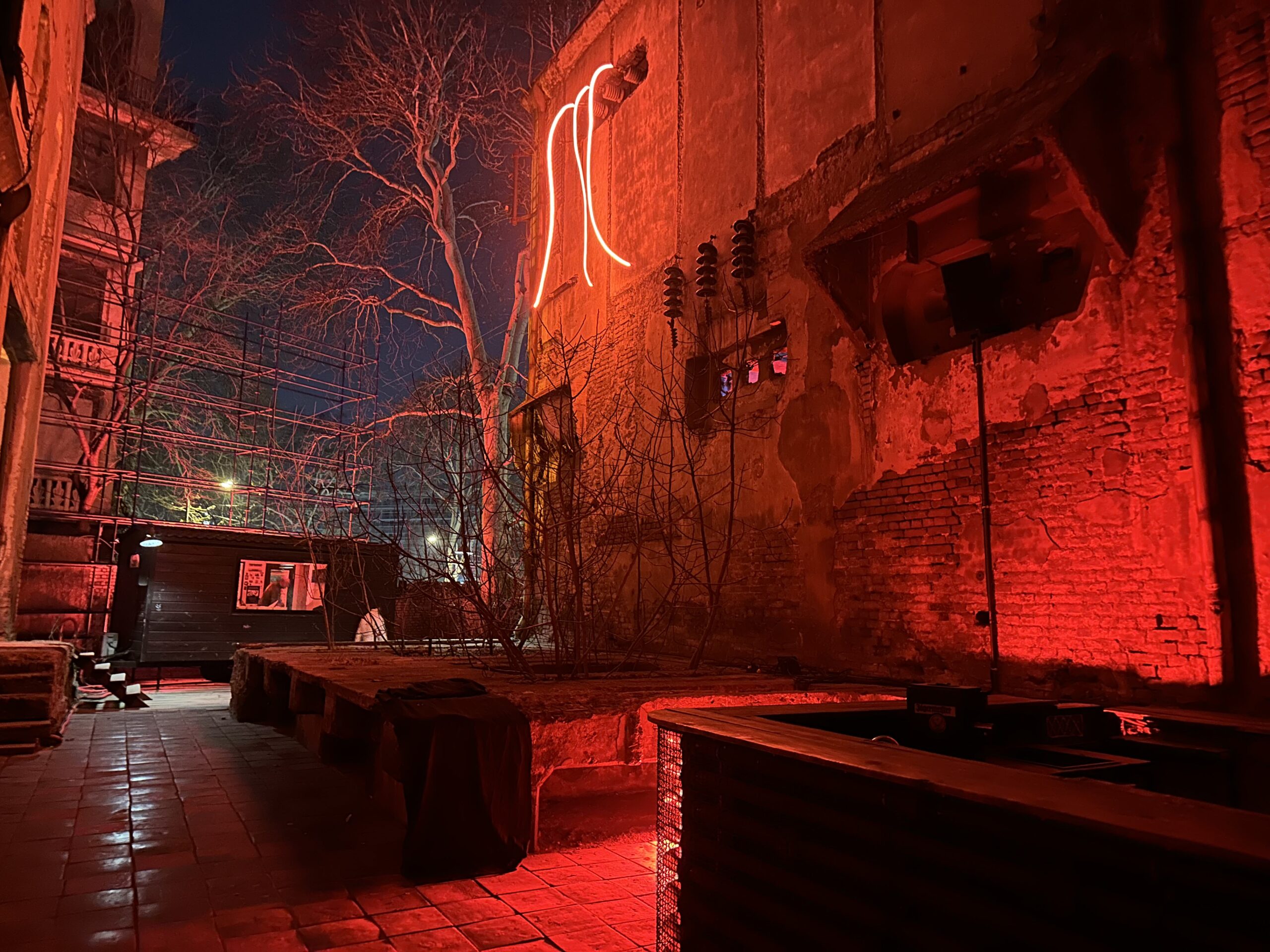
The 2026 closure and relocation checks that matter
TES: Closed its original premises in January
TES should not appear in a list of currently operating permanent clubs at its former address. Resident Advisor reported on 22 January 2026 that the club’s lease ended after the property was sold and its last night would be 31 January 2026. Organisers hinted at a possible future incarnation but did not establish a confirmed replacement venue in that report. Its contribution to Tbilisi deserves recognition, but an old TES listing is not evidence of doors open today. Do not merge its identity into another venue without documented continuity.
Mtkvarze: Former building sold, future space unconfirmed
Mtkvarze began in 2012 and was a foundational venue for the city’s electronic-music culture, with a strong relationship to its riverfront building. On 21 October 2026 the team announced that building had been sold; Resident Advisor reported the news on 22 October. Follow-up local coverage described planned farewell dates and a search for another home, but did not establish an authenticated new address or an exact permanent reopening date. Some late-2026 listings and older city guides still show its former riverside venue. We therefore include Mtkvarze as scene history, not an active visit recommendation to that address.
Left Bank: Room change, not total club closure
Unlike TES, Left Bank remained active after its Space Two floor ended on 31 January 2026. This distinction is essential: “Space Two closed” does not mean “Left Bank closed”. Current autumn events list Space One and outdoor arrangements. For a reader who saved a 2024 guide, the correct response is to check today’s room and stage map rather than assume an old photo identifies the present dance floor. Source: Resident Advisor’s January 2026 report
Why Tbilisi’s club culture became politically important
Electronic music’s public role in Tbilisi is not a marketing slogan. In May 2018, the authorities raided Bassiani and Café Gallery. Contemporary accounts and civil society assessments describe the use of significant police force and the demonstrations that followed. Nightlife communities rallied around more than a club’s ability to sell tickets: the protests raised questions about police conduct, civil liberties, drug policy, youth culture and the right to public assembly. For the people who participated, a dance floor was a place with political and social meaning as well as music. RFE/RL’s original reporting and Civil Georgia’s report on legal scrutiny offer context.
That history should not encourage a visitor to exoticise Georgian clubbers or treat a city’s difficult political moments as a travel attraction. Tbilisi’s operators, artists and audiences have their own work, disagreements and cultural priorities. Rather than applying the familiar “next Berlin” cliché, take time to learn why local spaces matter, buy music from Georgian producers, listen to resident sets and follow current community projects alongside global headliners.
The closures and reconfigurations in 2026 also demonstrate that building ownership, leases and cultural infrastructure matter. When a club loses a room, a radio platform hosts a party at a partner venue, or a former gallery returns after refurbishment, a directory that simply says “open” or “closed” loses half the story. A better guide records which organisation operates the space, what changed, the evidence date and the type of programme it actually offers.
Which Tbilisi night should you choose?
- For the established large techno institutions: Compare Bassiani’s main-room and Horoom programme with KHIDI’s main floor and G2. Listen to the billed artists, not an old “best club” ranking.
- For industrial, hard-edged or EBM-oriented bookings: KHIDI is a strong first calendar check, but a G2 or other stage bill can be very different.
- For refined, deeper or more varied selectors: Bassiani/Horoom and Left Bank are good starting points, depending on the actual night.
- For local mixed-format sessions: Mechanica and Meteor Studio are worth investigating, with the caveat that bar, live and artistic programmes may be involved.
- For older scene history in an operating venue: Café Gallery has a documented September reopening and an autumn programme.
- For independent radio and a cultural meeting point: Explore Mutant Radio, and check where a particular collaborative event physically takes place.
Practical guide: Entry, transport and respectful clubbing
Do not assume a ticket guarantees entry
Tbilisi’s larger clubs often require identity checks, registration or separate entry conditions. These procedures vary by venue and programme, and online ticket systems can change. Check the actual event’s published rules and refund policy; arrive with valid identification and allow for a line. There is no reliable universal outfit that guarantees admission. Do not follow social-media advice about bypassing security or a venue’s safer-space expectations.
Respect photography and privacy restrictions
Both KHIDI and Left Bank publish explicit rules asking attendees not to photograph inside and to put phones away on the dance floor. These rules protect people who want to dance without becoming part of someone else’s online content. If a venue operates a no-photography policy, it applies even if you see archived press photographs published with permission. A historical press photo in this article is not permission to take new images in the room.
Get the location right
Bassiani’s stadium site and KHIDI’s bridge setting are both on the more northern side of the main tourist-centre routes; Café Gallery is in the central Rustaveli area, while Left Bank and the smaller cultural locations have different access points. A ride may be reasonable between them on a map, but a late-night journey depends on actual transport availability. Use a reputable local taxi service or current transit planner, check your exact drop-off entrance, and decide how to get home before entering a venue. We have not published universal journey times or guaranteed 24-hour transit because they depend on date and starting point.
Plan for the set, not the brand alone
A Friday event marketed as “Bassiani” may include different floor access than a separate Horoom event. KHIDI’s G2 programme can be musically separate from its main floor. Left Bank’s programme has changed with its physical rooms, and experimental spaces such as Meteor and Mutant may not host a standard club night at all. Check artist pages, the event description and venue instructions on the same day. Consider leaving one main night at the centre of a trip instead of booking several incompatible events at distant locations.
Safety and local context
Follow each venue’s consent, security and harassment reporting rules. Treat local people, queer communities and independent artists as participants in a living culture rather than a spectacle. Keep drinks and valuables safe, stay with people you trust if you are unfamiliar with a place, and do not rely on nightlife hearsay for legal questions. The club’s current information and official local guidance should take priority over undated travel forums.
Frequently asked questions
Which club is better, Bassiani or KHIDI?
There is no objective winner. Bassiani offers a significant techno main floor and Horoom’s distinct musical identity, while KHIDI has its own techno-centred approach and additional G2/HAERI programming. Pick according to your date and specific lineup, not claims about the door or reputation.
Is TES still open in Tbilisi?
Its Dodo Abashidze premises closed after its final 31 January 2026 event. The team discussed a potential future incarnation, but we have not verified an operating permanent replacement at the time of this update. Check a new official announcement before travelling to a venue advertised as TES.
Can I still visit Mtkvarze?
The operator announced in October 2026 that it would leave its longtime building after the sale. Without a verified new address and reopening announcement, we cannot recommend visiting the former site. Look for the team’s official news and the exact address of any new event.
Is Left Bank closed?
No. The Space Two floor closed in January 2026, but the venue continued with other rooms and outdoor/adjacent arrangements, and there are November 2026 events. The current stage lineup is the correct guide to what will be open that night.
Where should I go for a smaller, less conventional electronic night?
Check Left Bank, Mechanica Sound Club and Meteor Studio; follow Mutant Radio if you are interested in selectors, broadcasts and community events. These are deliberately described as different types of spaces, not all as dedicated techno clubs.
Continue exploring with Underground Talent
For another historically important techno destination, read our Detroit guide and the sound’s roots. Compare club cultures in Berlin, Paris and London. If a bill uses genre terms that are unfamiliar, our techno subgenres guide explains the traditions behind the labels. You can also browse the community club directory with venue identities pending editorial review.
Sources and editorial method
Verified 23 November 2026. This guide prioritises operating venues with dated autumn programmes and distinguishes them from closed premises, rooms within the same venue, partner radio projects and promoter-led events. Main sources include the Bassiani official calendar, KHIDI official site and house rules, Left Bank official venue information, Resident Advisor events, Left Bank’s 2026 Space Two change, TES closure, Mtkvarze’s building-sale report, Civil Georgia’s account of the 2018 raids and current venue-specific event listings cited throughout.
Historic venue photography is clearly identified as archival. Five inline editorial photographs are externally hosted and sourced with image-specific credits; permissions to embed or republish them have not been independently established. No image is presented as a current 2026 event unless that date can be confirmed, and no illustrative map markers in our featured artwork should be treated as verified coordinates. We will correct changing addresses or programmes when reliable evidence becomes available.