
Updated 23 November 2026. Twelve operating electronic-music venues selected for their musical identity, local contribution and source-backed late-2026 activity. This is an editorial selection rather than a mathematically ranked league table. Check the current event organiser, specific room, tickets, entry policies and the journey home before visiting.
Electronic music is more than techno. In the same weekend you can hear UK garage and dubstep in London, soulful house in Paris, club and bass experimentation in Seoul, a long-form house session in New York, local underground music in Johannesburg, or Colombian selectors and international guests in Medellín. No single genre or club architecture explains the whole culture.
For this guide, Underground Talent selected 12 venues across 11 countries and all six inhabited continents. Instead of recycling the names from our separate Best Techno Clubs in the World guide, we focused on clubs that are particularly good at crossing genres, building community, or sustaining house, disco, bass, garage and experimental electronic music. Some still book techno, naturally. But the musical reasons to visit them are broader than a straight-techno club ranking.
There is no invented “number one” and no promise that every room plays a particular sound every Saturday. A world-class night depends on the artist, event promoter, resident culture and the people on the floor. Below is a useful starting point for finding the right electronic-music night, with addresses and current evidence rather than a list of nostalgic legends.
12 of the world’s notable electronic music clubs at a glance
| Venue | City | What it offers |
|---|---|---|
| fabric | London, UK | UK bass, drum & bass, garage, house and techno across distinct programmes |
| Culture Box | Copenhagen, Denmark | House-to-techno and bass-oriented programming in Black Box and Red Box |
| Nowadays | New York City, USA | Community-led long-form house, disco, leftfield and open-air culture |
| Revolver Upstairs | Melbourne, Australia | House, electronic dance music and mixed creative programming |
| Djoon | Paris, France | Soulful house, funk, disco and Afro-house traditions |
| Minimüzikhol | Istanbul, Turkey | Small-room house, minimal and leftfield selectors |
| Yu Yu Cine Club | Mexico City, Mexico | Underground breaks, bass, experimental club and audiovisual culture |
| Left Bank | Tbilisi, Georgia | Community venue with house, techno, local collectives and cross-genre nights |
| Cakeshop | Seoul, South Korea | Bass, breakbeats, experimental electronics and independent club networks |
| And Club | Johannesburg, South Africa | Locally rooted underground dance floor, TOYTOY and other community parties |
| Salón Amador | Medellín, Colombia | Colombian house, tech house and touring electronic selectors |
| Club Space | Miami, USA | Long-form electronic sessions on the Terrace and separate The Ground events |
1. fabric, London: From UK bass to house and techno
Best for: Listeners who want a different musical direction depending on the room and promoter. Location: 77a Charterhouse Street, London EC1M 6HJ, United Kingdom. Type: Multi-room electronic nightclub and record-label ecosystem.
Few clubs demonstrate the breadth of electronic music as clearly as fabric. Its musical history is not restricted to four-to-the-floor techno: FABRICLIVE has provided a home for drum & bass, garage, dubstep and other UK bass traditions, while the broader fabric programme moves through house, techno, minimal and more exploratory DJs. The club operates several rooms with their own sound and atmosphere. A ticket for a FABRICLIVE night should not be mistaken for the programme at the next day’s house event.
The venue’s November and December 2026 calendar provides a useful snapshot. On 27 November it lists a FABRICLIVE programme associated with bass and club artists alongside a Hot Creations night; on 28 November the bill includes Palms Trax, Ogazón, Antal and Mathew Jonson (live), bridging several dance-music approaches. In December, FABRICLIVE x DEEP MEDi 20 features Mala, Kahn & Neek, Channel One and related soundsystem artists. One club, sharply different musical lineages.
There is a practical accessibility detail too: fabric published a FAQ and visitor information page, and ongoing upgrades to its room systems have been covered by Resident Advisor. Do not assume the same room configuration, accessible route or closing time for every event; contact the operator if you need specific arrangements. The club is near Smithfield, not an unnamed warehouse on the outskirts.
Choose fabric when the actual bill matches your taste, especially if you are interested in electronic music’s UK soundsystem and bass history. It is a stronger choice for garage or drum & bass than many names on a purist techno ranking. For other city options, read our London club guide.

2. Culture Box, Copenhagen: Several dance-floor identities in one venue
Best for: A compact, music-first Copenhagen club with local DJs and a programme that moves between house, techno and bass. Location: Kronprinsessegade 54, 1306 Copenhagen K, Denmark. Type: Multi-room electronic club.
Culture Box has been a major part of Copenhagen’s electronic-music life since 2005. Its rooms, often described as Black Box and Red Box, allow a single night to work through different sounds without pretending everything belongs under one genre tag. The venue has hosted international guests and Danish selectors for many years, and it remains active in 2026 rather than surviving only as a name in older city guides.
Its official event calendar includes detailed Black Box and Red Box rosters, which are worth reading separately. The 20 November 2026 event had its own published programme and safer-space information, while the 28 November date advertises Danish producer Denis Horvat alongside other selectors. That evidence is useful, but it does not justify treating Culture Box as an all-night hard-techno venue on every date.
One of Culture Box’s more valuable public resources is its Attitude Code, which explains the expected conduct of visitors. A credible electronic music venue is defined partly by the people it welcomes and protects, not solely its equipment. The best decision for a visitor is to pick a room or event that suits the music, then follow its admission and conduct rules.
Some travel sites describe all Copenhagen clubs as though they have one fixed late-night opening schedule. Culture Box’s own event pages are a better source: individual programmes can vary. We have not included a permanent cover charge or invented guaranteed entry information.
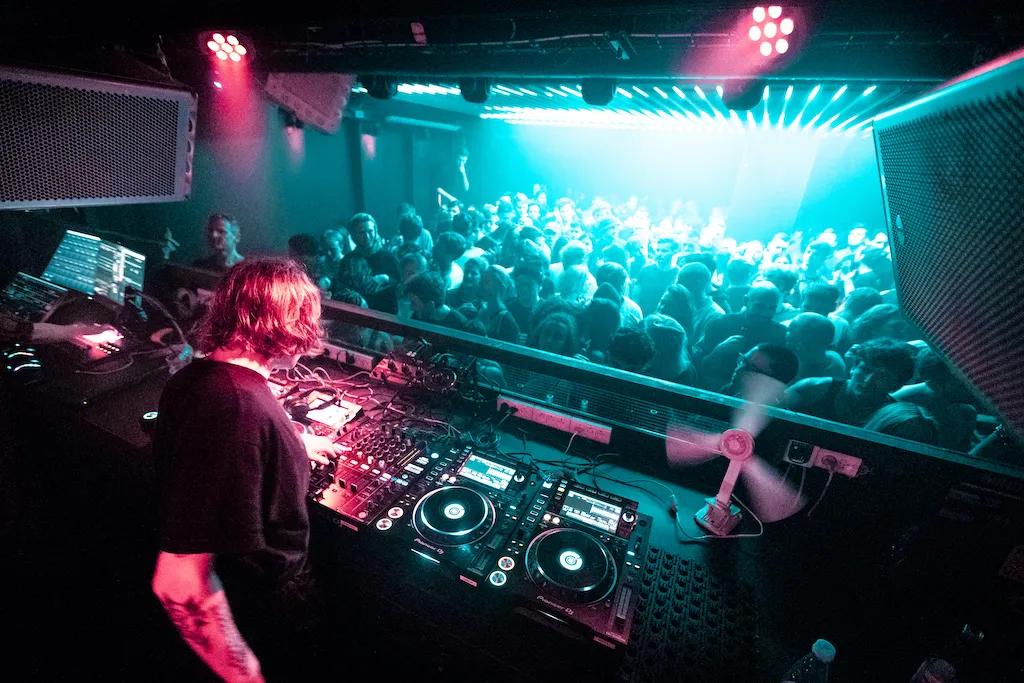
3. Nowadays, New York: Dancing, community and long-form listening
Best for: House, disco, leftfield electronics, long-form weekend parties and a relaxed community atmosphere. Location: 56-06 Cooper Avenue, Ridgewood, Queens, New York 11385, United States. Type: Indoor electronic club and outdoor gathering space with food and cultural programming.
Nowadays offers an unusually expansive definition of a nightclub. Its indoor parties can run through the night, while the outdoor space has its own programming, food and daytime culture. The official Hours & Location page explains the distinction: its Saturday Nonstop programme can run through Sunday, while Mister Sunday has a different outdoor format and ticketing arrangement. The venue also publishes accessibility information, including wheelchair access, bathroom facilities and available quiet areas.
The music is equally varied. A 27 November 2026 event with AceMo, Swami Sound, GENG PTP and Princess Peggie demonstrates the overlap among club-focused electronic music, live performance and adventurous local artists. The New York RA calendar and the venue’s official listings also reference a late-November Nonstop anniversary programme. These examples make Nowadays more interesting than a box marked “house” or “techno”. A long weekend can contain radically different approaches.
Nowadays also provides a practical example of how a club can discuss inclusion in concrete terms. Its website says attendees can contact staff ahead of time if the admission price is a barrier, and gives details about food, earplugs and free water. Those are stronger indicators of community design than a vague claim that a club has the world’s friendliest crowd. Nothing here guarantees entry or describes every party as equally accessible.
It is in Ridgewood, not Manhattan. Read the exact address before planning the return trip, particularly if a Sunday session ends later than expected. Our New York guide compares other neighbourhood dance floors.

4. Revolver Upstairs, Melbourne: A long-running creative night out
Best for: House, mixed electronic parties, longer dance sessions and a venue that connects clubs with live music and other creative work. Location: Level 1, 229 Chapel Street, Prahran VIC 3181, Australia. Type: Multi-purpose nightclub, bar and performance venue.
Revolver Upstairs, often called Revs, is one of Melbourne’s enduring venues. Its programme has involved deep house, international electronic guests, local selectors, live bands and multidisciplinary events, sometimes at different times across the same week. That range gives it a different character from a dedicated techno-only basement room. The name is also distinct from Sub Club Melbourne, which is a separate club in the CBD, and these must never be merged as though they were alternative names for one venue.
There is concrete late-2026 activity. The official weekly calendar lists event-specific tickets; the 27 November DINA (DE) night advertised in collaboration with 188 Naarm runs from late Friday into Saturday morning, with the event address matching Chapel Street. Earlier November parties include Michael Mayer and Steve Bug, while the larger calendar also has live performance and art components. If you want a particular musical direction, follow the promoter and lineup rather than using the venue name alone.
Revolver matters because scenes need places capable of sustaining both regular dance music and less predictable programming. Long-running residents and changing local parties can matter as much as international headliners. Do not infer that the crowd, room or security policy is identical between a live gig, an exhibition and a late club session.
The following photograph is from Revolver’s own archive. It shows the back room and its lighting, not a particular 2026 event, so it is credited as such. Our Melbourne guide includes other electronic spaces in the city.
5. Djoon, Paris: Soulful house, disco and the dancers
Best for: Soulful and deep house, Afro-house influences, disco, funk and a social dance-floor culture. Location: 22 Boulevard Vincent Auriol, 75013 Paris, France. Type: House-led dance venue, rather than a dedicated techno club.
Djoon is one of the clearest reasons this guide should exist separately from a techno ranking. Its history is closely tied to soulful house, funk and the people who use dance music as a communal language. The club’s organiser profile calls it a soulful Paris venue and documents house, funk and inclusion as part of its identity. Its long history has also included the presentation of international house artists in France, but that broader context must not obscure the work of resident and local selectors today.
Recent programming shows how specific the musical direction can be. 10 November 2026 Suze Ijó and DOKA-linked guests connected Paris with Amsterdam through deep grooves and soulful house. The late-November programme included Laila Amira, WheelUP and Yambow on 27 November, and Make House Deep Again on 28 November. Disco and other forms of club music appear on different nights, but the central appeal is musical warmth rather than peak-time industrial techno.
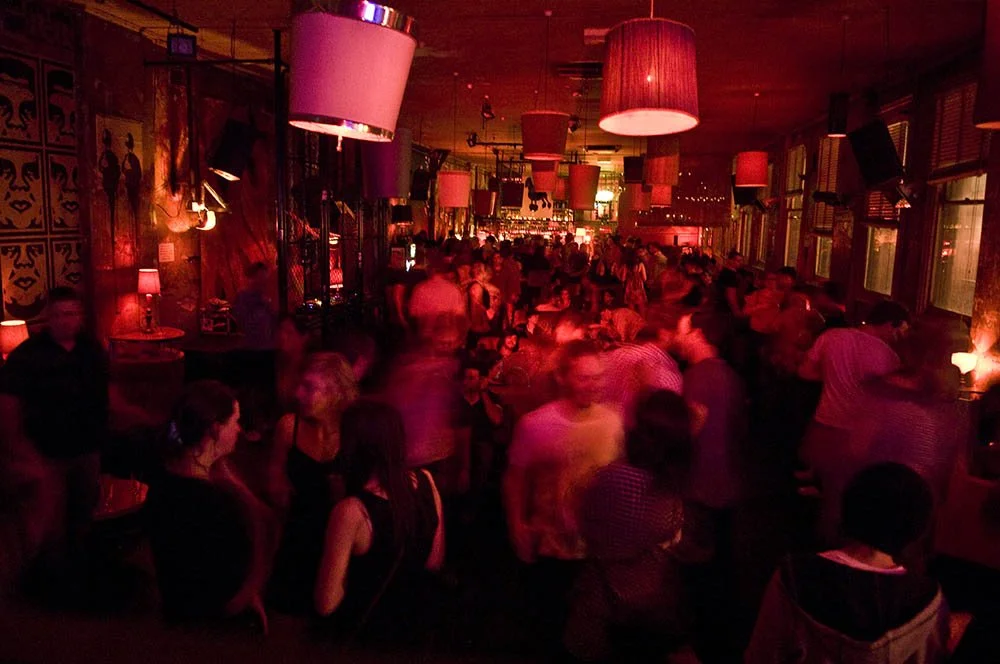
The photography below shows the venue’s signage and busy room in an archived Halloween image. It is not presented as proof of this month’s lineup. Djoon is an example of why house deserves to be treated as a primary culture in a global club guide, not an optional extra beside techno. Our Paris guide covers different, more techno-focused options when that is the music you want.

6. Minimüzikhol, Istanbul: Small-room selector culture
Best for: House, minimal, leftfield and intimate electronic dance music without arena-style production. Location: Soğancı Sokak No: 3, Cihangir, Beyoğlu, Istanbul, Turkey. Type: Compact electronic nightclub.
Minimüzikhol belongs here for nearly the opposite reason to a large international club: its smaller room and selector-first approach. The venue’s own history connects it to Istanbul’s independent music scene, while the current calendar makes clear that its programming is wider than techno. House, minimal, electro and more playful electronic sounds all have a place there.
A current example is the Roman Flügel / Fault event on 27 November 2026. That line-up points towards sophisticated club music that can cross stylistic boundaries, not a single hard-techno formula. The venue’s official contact page is the best place to check the location, while the event page takes precedence for exact entry requirements and the music on the night.
Staying small is not a weakness. An intimate room can support a deeper relationship between DJ, audience and rhythm than a production-heavy headline night. But that intimacy carries responsibilities: respect other people, check camera policies, and do not assume a floor has space for everybody who turns up without booking.
Minimüzikhol is one of several different types of Istanbul electronic venues. To compare it with FLUX, Frankhan and Suma Han, read our Istanbul city guide. The photograph is from the club’s official archive, with the performers and date unconfirmed.

7. Yu Yu Cine Club, Mexico City: Genre-fluid underground music
Best for: Experimental electronic music, bass, breaks, electro, forward-looking club selectors and occasional audiovisual events. Location: Dr. Carmona y Valle 129, Colonia Doctores, Cuauhtémoc, Ciudad de México, Mexico. Type: Electronic club and cultural/cinema space.
Yu Yu’s current location is one of the most important factual checks for a 2026 guide. The club moved away from its original Versalles 94, Juárez premises and returned in September 2025 to a former casino in the Doctores neighbourhood. The relocation report and September 2026 new-address listing verify this change. An older guide that still sends readers to Versalles 94 is incorrect, even though newer club projects have used the old building.
The programming is a second reason Yu Yu belongs in a non-techno-exclusive guide. Its 2026 activity has included artists from techno, breaks, bass and experimental club traditions, as well as a cinema/audiovisual element. Some Yu Yu-promoted special shows have happened offsite; that does not mean the permanent venue has moved again. Always distinguish the club operator from a ticketed event held at a separate physical location.
The club’s ability to combine records, screenings and adventurous sets is more useful to a curious visitor than vague claims about a perfect “underground vibe”. Choose a bill featuring artists you actually want to discover. The promoter programme and official channel are practical reference points; be especially attentive to photography and event-specific rules.
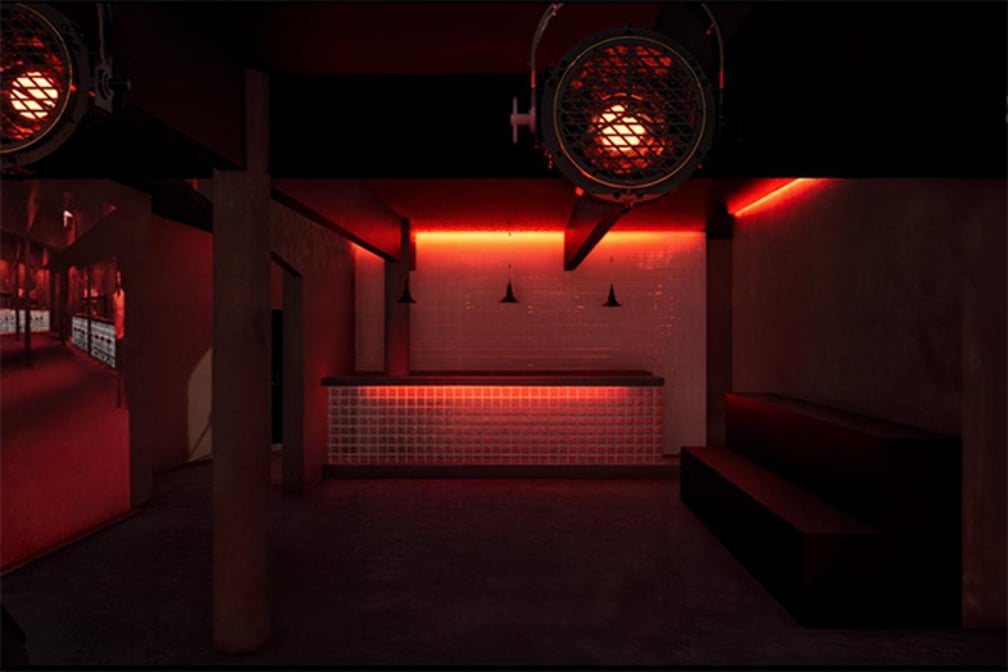
Its newer interior is shown below in a source image from its reopening period, not a November 2026 live-event photograph. For other city venues, see the Mexico City club guide.
8. Left Bank, Tbilisi: Music beyond the two famous rooms
Best for: Community-led house, experimental electronic selectors, local collectives and smaller party formats. Location: Dodo Abashidze Street 10, Tbilisi, Georgia. Type: Independent club and cultural gathering place.
Left Bank proves that Georgia’s electronic scene is more varied than the large techno institutions alone. The organisation’s official story includes a community space, events, a record and cultural ecosystem, and changing forms of musical programming. Local selectors, house, disco, experimental sounds and bass-derived music can all appear beside techno. That breadth reflects Tbilisi’s own creative networks rather than a formula copied from an international ranking.
But the venue’s physical story changed in 2026. Its former Space Two floor ended operation in January after a land/lease change. Resident Advisor documented the closure of that room, while the wider venue continued in other areas, including Space One and outdoor programming. The 13 November event advertised the ongoing room and stage programme, and recent listings show further November activity. It is wrong to describe Left Bank as entirely closed or to promise that its old Space Two remains available.
The venue’s broader cultural role includes record-oriented activities and neighbourhood community work. That makes it useful to someone who wants to explore music between larger international performances rather than just travel between famous dance floors. Follow the current organisers, not a static historical room plan.
The archive photo below predates the 2026 changes and should not be read as a verified present-day floor plan. Our Tbilisi guide explains the city’s other important room closures and operator transitions.
9. Cakeshop, Seoul: Bass, breaks and an independent electronic identity
Best for: Leftfield club music, bass, breaks, experimental electronics and local artists working between styles. Location: Basement, 134 Itaewon-ro (34-16 Itaewon-dong), Yongsan-gu, Seoul, South Korea. Type: Independent electronic club with wider cultural and label activities.
Cakeshop is one of the most useful additions to a global electronic-music guide precisely because it is not a standard festival-headliner venue. Based in Itaewon, the club has developed a local scene around forward-looking electronic bookings, including artists from bass, hip-hop, house, experimental and more hybrid styles. The October 2026 14th-anniversary feature discusses its anniversary across Cakeshop and the neighbouring Pistil venue. The two locations are collaborators and distinct club identities, not interchangeable room names.
Specific November activity supports its continued relevance. The 25 November SBTRKT event was announced for Cakeshop, while the 13 November Yeti Soundsystem programme combined Korean and visiting artists and used the building’s upper floor for a special event. Another 12 November lineup connected Berlin-based experimental electronic performers with the Seoul room. Those dates demonstrate stylistic flexibility much more convincingly than calling it “Seoul’s best techno club”.
Cakeshop’s 2026 activities also extended beyond the basement. Its five-city Korea tour linked audiences and independent electronic scenes outside Seoul. This is why the club deserves attention: an institution can matter through the artists, labels and communities it connects as well as the nights it hosts at one address.
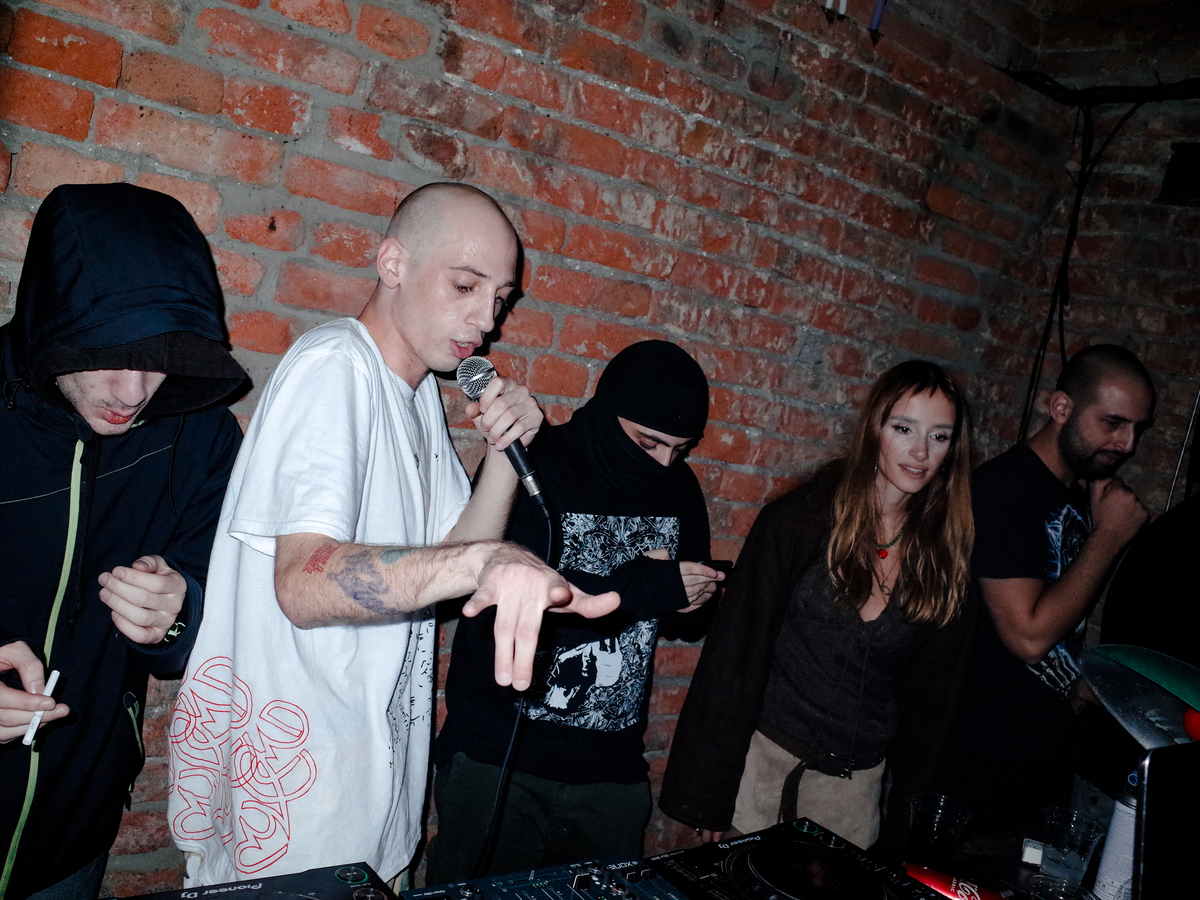
The photograph below is an archival club image from Seoul coverage, not a 2026 event. Check current event details and the precise age and entry conditions on the club’s own announcements.

10. And Club, Johannesburg: South African club culture on its own terms
Best for: South African underground electronic artists, local techno and house communities and an independent programme with changing event identities. Location: 39 Gwigwi Mrwebi Street (sometimes shown as 39A), Newtown, Johannesburg 2113, South Africa. Type: Club and gathering space associated with the recurring TOYTOY party.
And Club deserves its place for a straightforward reason: a supposedly global selection is incomplete if it treats Africa as an afterthought. Johannesburg has its own generations of club culture and electronic dance music, including house traditions, local production networks and diverse underground promoters. And Club’s independent programme is one part of that scene, not an authority over all South African dance music or a substitute for learning about amapiano, kwaito and other local traditions.
One of the venue’s best-known event identities is TOYTOY. That recurring party and the club’s physical venue should be documented as related but distinct entities. The 27 November 2026 TOYTOY listing places the event at And Club in Newtown, and a contemporary listing names Kā, Daryn Steytler and local residents. Its official channel hub also links to other events. Not every party is techno only; the music and promoter context must be checked.
There is also a meaningful privacy policy. The 20 November TOYTOY event page says that recording, photography and phone use are not allowed on the dance floor or in the garden. This is a real entry condition, not an aesthetic recommendation. The photo shown here is an earlier published venue image, not documentation of a present-day private club night.
Respect the city’s local operators and dancers. A visitor should not read one club entry as a comprehensive history of Johannesburg’s house or dance culture; the goal is to provide a researched entry point to people and sounds worth discovering.
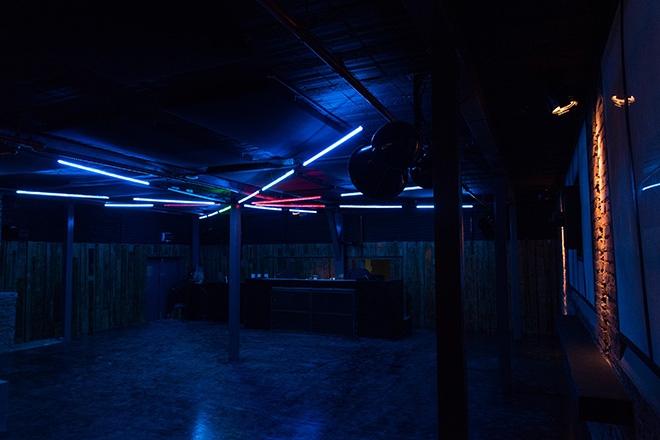
11. Salón Amador, Medellín: A Colombian house-music institution
Best for: House, tech house, melodic electronics and local Medellín selectors alongside international guests. Location: Calle 10 #40-30, El Poblado, Medellín, Antioquia, Colombia. Type: Electronic dance club.
Salón Amador offers a South American perspective that would be missed by simply reusing a list of iconic European techno rooms. Located in El Poblado, the club has supported house and other electronic formats in Medellín for years. It is an established venue rather than a one-off festival brand, with its own ticketing programme and a relationship with local Colombian artists.
The venue’s official ticketing calendar and recent announcements provide source-backed activity. A 13 November event was explicitly categorized as house, while 20 November’s Luuk van Dijk bill represents a different current house direction. A 2 November Rebūke event added a melodic or techno-influenced side. The genres are not identical, and the fact that one producer plays a specific style does not make it the venue’s permanent soundtrack.
The address is corroborated by the event operator’s own booking page. For entry prices, start times and door requirements, use that current ticket source rather than an average found in a nightlife review. A 2024 venue feature discussed the club’s growth and business plans, but we do not treat historical plans for expansion as proof that additional branches are already operating.
House music in Medellín exists within a much larger Colombian electronic community, with different promoters, local artists and venues. Salón Amador is a useful entry point, not an attempt to reduce an entire city’s musical culture to one club.
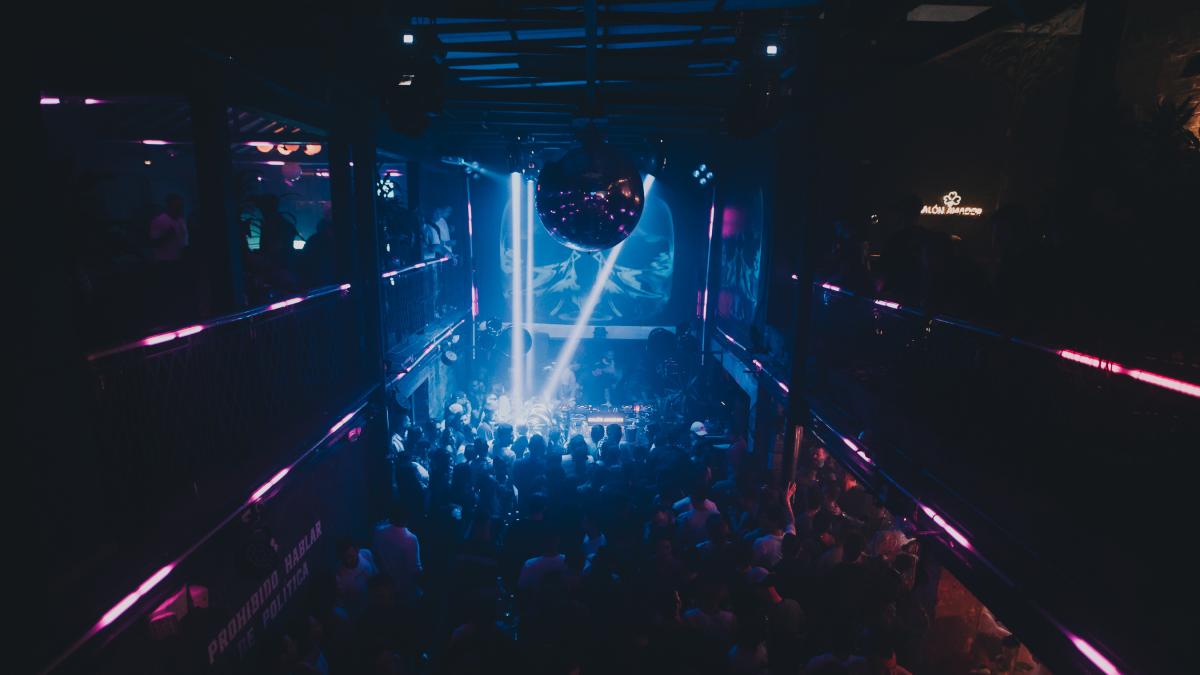
12. Club Space, Miami: The long-form Terrace and different rooms
Best for: House-led marathon sessions, sunrise electronic events and varied club programming across multiple spaces. Location: 34 NE 11th Street, Downtown Miami, Florida 33132, United States. Type: Multi-room electronic venue with the Terrace, The Ground and other event formats.
Club Space has its own contemporary Miami identity around extended electronic dance parties. Its widely known Terrace is associated with long-form house and other electronic bookings, while The Ground can programme a different night with its own ticket. It is crucial not to present a ticket for one space as automatic access to the whole venue.
There is an unusually clear primary-source example. On 27 November 2026 the Terrace advertises Teletech, while The Ground hosts Nikki Nair and Nanoos. The Ground’s ticket page explicitly says it does not grant access to the Terrace. The following day the official calendar lists another Terrace programme. Those differences demonstrate why a single “Club Space plays house” label fails to capture the event’s breadth.
Club Space’s place in Miami also reflects the city’s long dance-music history, clubbing infrastructure and constant interaction between local residents and touring artists. Some events extend far beyond conventional closing times, but that does not establish a universal schedule for every day or room. Its official site publishes age restrictions and terms by show, and those take precedence over travel blogs.
The official source photo below shows a busy Terrace event in 2025, where daylight, hanging plants and a mirrored ball give the space a distinctly different feel from an enclosed warehouse. It is not a claim about the 2026 Teletech event or its audience.

Which electronic club fits your music?
There is no single club for every genre. For a listener deciding between destinations, the following starting points are more useful than a numerical ranking:
- UK garage, drum & bass, dubstep and bass: Start with FABRICLIVE at fabric, or examine Cakeshop’s Seoul programme for a different underground bass and experimental context.
- Soulful house, disco and funk: Djoon is the most house-centred choice on this list. Nowadays’ long-form programmes can also move into disco and deep house.
- House and techno with local club communities: Culture Box, Left Bank, And Club and Salón Amador are strong programme-led choices, each reflecting a distinct local history.
- Extended electronic parties: Compare Nowadays Nonstop, Club Space Terrace and the actual late-night Revolver Upstairs programmes. They have different atmospheres and ticket conditions.
- Small-room selectors and more adventurous electronics: Minimüzikhol, Yu Yu and Cakeshop give different routes into sounds outside mainstream festival EDM.
What this global guide does not claim
It is not a scientific ranking. “Best” in a music guide is an editorial judgement. We considered the cultural relevance of the club, the artists and local community, the range and quality of its programming, evidence of operation around November 2026, and whether it offers something different from the separate techno-only guide. We did not assign fabricated sound-system scores, claim anonymous firsthand visits or pretend that a famous DJ automatically makes a club superior to a smaller scene.
Not every club is dedicated to one genre. The diversity is deliberate: Djoon has a soulful house tradition; fabric’s FABRICLIVE has bass music history; Cakeshop crosses experimental and club music; Yu Yu uses audiovisual formats; Left Bank’s physical spaces have changed; Club Space differentiates Terrace and Ground. Music can overlap, but the venues should not be flattened into identical product cards.
A promoter is not a building. And Club and TOYTOY are related but distinct identities. Yu Yu has held offsite events. Club Space’s different rooms have ticket boundaries. Left Bank’s Space Two floor ended in early 2026 even though the institution continued. CUE should preserve physical venues, organisers, internal rooms, temporary parties and their source-backed relationships without inventing a common ownership.
Global does not mean exhaustive. There are major electronic scenes beyond these twelve venues, including across Southeast Asia, the Middle East, Africa, South America and cities not covered here. The goal is to publish a reliable, varied shortlist rather than misrepresent sparse evidence as complete global coverage. New venues should be added on the strength of verified programmes and local knowledge, not to fill invented regional quotas.
Getting into the club: Practical advice
Check the actual event and room
A club’s website is the first source for room access, entry age, ticket policy and set times. These can differ for each promoter, even within the same building. For Club Space in particular, a Ground ticket may not include Terrace access. At fabric, the distinction between FABRICLIVE and other nights matters. At Culture Box, Black Box and Red Box lineups may differ, and at Left Bank old room descriptions can be wrong after the January changes.
Respect privacy, consent and club rules
Some electronic venues limit phones, photos and videos to help their dance floors remain private. And Club has published a no-photo/no-video policy covering its dance floor and garden for TOYTOY events; other venues have different conduct and safety policies. Respect those rules and do not treat a credited historical press image as permission to record inside.
Plan the journey home and accessibility needs
These clubs are spread across cities with different transit systems and overnight schedules. No article can honestly guarantee one travel time, dress code or entry price for twelve countries. Check the official venue address, door location and event date, not a nearby venue with a similar name. Nowadays and fabric publish practical accessibility information; for other clubs, contact the operator directly if you need a specific arrangement. Prepare a safe way home before a late set.
Frequently asked questions
What is the best electronic music club in the world?
There is no objective single winner. It depends on what you want to hear. For UK bass, fabric’s FABRICLIVE is relevant; for soulful house Djoon has a clear focus; for experimental club culture Cakeshop or Yu Yu may appeal; for long-form house sessions Nowadays or Club Space can be a better fit.
How is this different from the best techno clubs guide?
The techno-focused world guide concentrates on institutions such as Berghain, Tresor, Bassiani and BASEMENT. This list deliberately explores more of house, disco, bass, garage, leftfield electronics and broader music-led nightlife, using a separate set of twelve venues.
Are all these clubs underground?
No. The word “underground” describes artistic and community approaches as much as a literal basement or audience size. Some venues on this list are large established businesses, while others are smaller community spaces. We explain their actual types rather than claiming every one is an anonymous secret rave.
Can I buy one ticket for multiple rooms?
Not necessarily. Club Space’s The Ground explicitly notes that some tickets do not cover the Terrace. Other clubs may operate separate room tickets, timed entry or special-event restrictions. Always read the official ticket terms.
Is the information current for 2026?
Venue operation, addresses and examples of 2026 events were checked for this edition on 23 November 2026. Future event availability, room changes, door policies and operating hours must be reconfirmed before travel.
Sources, photography and editorial standards
Primary references used throughout include fabric’s current calendar, Culture Box’s events and conduct guidance, Nowadays official venue information, Revolver Upstairs’ programme, Djoon organiser listings, Minimüzikhol official, Yu Yu’s relocation report, Left Bank’s Space Two change, Cakeshop’s current event evidence, And Club’s TOYTOY event, Salón Amador’s official ticketing, and Club Space’s official calendar. Dated supporting sources also appear in the venue sections.
Photography: The twelve accompanying venue photographs are editorial source images, each credited and labelled as archival when appropriate. We verified that their image URLs were reachable when editing, but permission to embed or republish was not independently established; a credit does not grant a licence. Where rights must be secured, obtain permission or substitute an approved photograph. No historical image is presented as a current 2026 crowd, and the original UT abstract featured artwork is not a geographic map or a set of real club pins.
For more Underground Talent scene research, explore the community club directory, our city guides and techno subgenres explainer. Venue and promoter records in CUE remain subject to separate source, classification and rights reviews, regardless of when a WordPress article is published.